
- The significance of pumpkin consumption in animal nutrition, particularly for elephants.
- Bodhi the elephant’s interaction with pumpkins and its implications for animal enrichment.
- The role of seasonal events like Boo at the Zoo in promoting community engagement and education.
- The importance of careful management in zoo settings for animal welfare and conservation.
- Best practices for enhancing the visitor experience while prioritizing animal well-being.
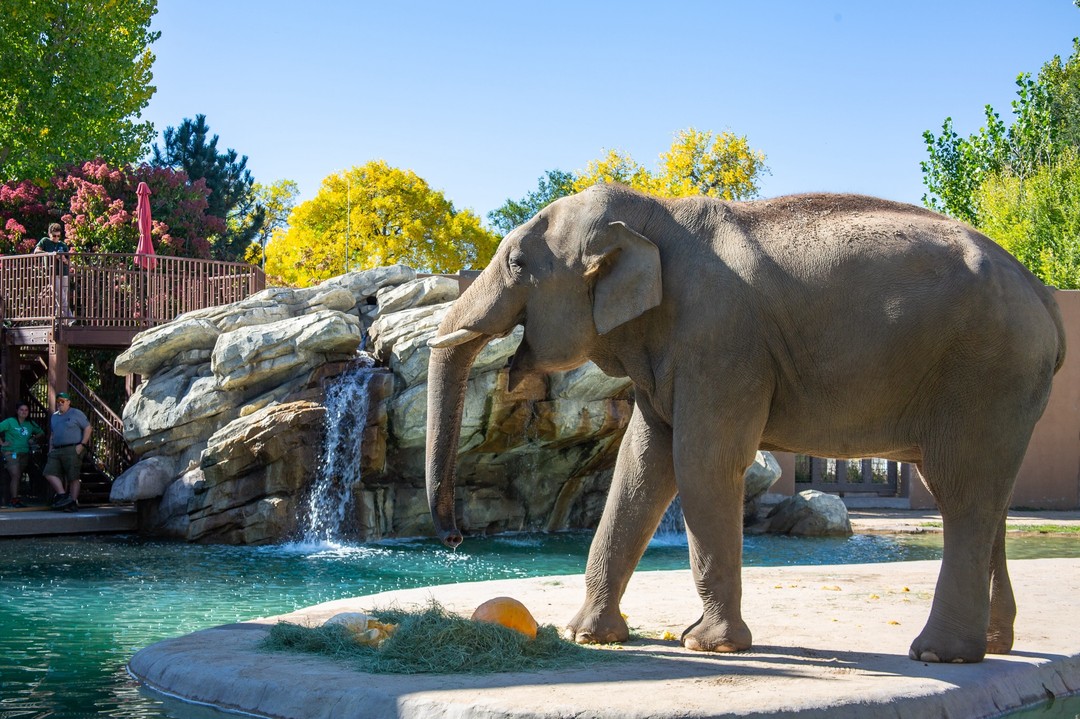
As the squash season unfolds, pumpkins become an emblematic food source for many animals, including elephants. Bodhi, a 21-year-old Asian elephant, recently showcased his fondness for these gourds by demolishing two colossal pumpkins weighing a total of 225 pounds. This behavior highlights not only the dietary preferences of elephants but also the nutritional benefits associated with pumpkin consumption.
Pumpkins are rich in fiber, vitamins, and antioxidants, making them a valuable addition to an elephant’s diet. High fiber content supports digestive health. Elephants in the wild consume large quantities of plant material, including fruits and vegetables, which helps maintain optimal digestive function. Nutrient-rich foods like pumpkins contribute to the overall physical well-being of zoo animals, promoting longevity and health.
Animal enrichment is a concept that encourages natural behaviors in captivity. For Bodhi, smashing and devouring pumpkins satisfies both his nutritional needs and provides psychological stimulation. Engaging in physical activities such as breaking open a pumpkin mimics foraging behaviors found in the wild. This is crucial in reducing stress and preventing negative behaviors that can arise from captivity. Elephant interactions with pumpkins serve a dual purpose: they meet dietary requirements and keep the animals mentally engaged.
Boo at the Zoo harnesses the excitement of the fall season to create memorable experiences for visitors. Events like these facilitate knowledge sharing about the animals while enhancing community involvement. Educational programs are often integrated into these events, offering the public insights into animal care, habitat conservation, and the ecological roles animals play. Such initiatives promote awareness and empathy for wildlife, fostering a greater understanding of the importance of conservation efforts.
Zoo management entails not only the care of the animals but also creating a visitor-centric environment that educates and delights. Careful consideration is necessary to balance animal well-being with visitor engagement. Well-conceived exhibits and programs can attract large crowds, ultimately benefiting conservation funding while enhancing public awareness.
Creating meaningful experiences for visitors should align with the welfare of the animals. Providing a space where guests can observe the behaviors of animals like Bodhi while ensuring their comfort is essential. Educational signage, interactive displays, and knowledgeable staff contribute to a rich visitor experience. These elements also reinforce the importance of conservation and animal welfare, instilling a sense of responsibility towards wildlife.
Visitors often associate certain activities or events with memorable experiences. The smashing of pumpkins by Bodhi not only provides entertainment but serves as a practical demonstration of elephant behavior that the public can witness. Offering such engaging programming helps cement the emotional connections people have with wildlife. When visitors see animals like Bodhi enjoying enrichment activities, it deepens their understanding of animal care practices within a zoo setting.
An essential aspect of zoo management includes constantly evolving the methods used to care for animals and engage the public. Incorporating seasonal themes like squash season adds creativity to existing frameworks, showcasing the adaptive nature of zoos in providing educational and enjoyable experiences. This adaptability reflects a broader commitment to animal welfare and conservation, as it aims to create environments conducive to both animal and human interactions.
The significance of community events goes beyond entertainment; they are vital for supporting educational initiatives. With limited park visits, organizations can leverage these programs to bridge the gap between conservation efforts and public engagement. When guests participate in activities like Boo at the Zoo, they are not only enjoying time spent with animals but are also aiding in the funding that supports future conservation programs.
The management team plays a crucial role in balancing these objectives. Direct interaction with animals, such as Bodhi’s pumpkin smashing and eating, can serve as a profound teaching moment. Care staff can explain the nutritional benefits and habitat needs of elephants to visitors, inspiring awareness and promoting good stewardship of the environment.
Concurrently, staff training emphasizes the importance of both animal welfare and visitor interactions. Educators and zookeepers work collaboratively to ensure all events adhere to high standards of animal care. Providing ongoing education for staff is critical in maintaining an environment where both animals and guests can thrive.
Wild Fall events like Boo at the Zoo bring families together to enjoy the changing season and foster community spirit. By implementing fun, nature-based activities, organizations can ignite curiosity and passion for wildlife in younger generations. Educational games, wildlife demonstrations, and hands-on activities promote engagement while instilling essential conservation messages.
As guests enjoy events like Boo at the Zoo, it’s important to recognize the role each individual can play in conservation. Simple actions such as reducing waste or supporting wildlife-friendly practices can create positive impacts. Events provide a platform for staff and volunteers to connect with the community and spread awareness about local and global conservation initiatives.
In addition, special events can also promote partnerships with local businesses and organizations focused on sustainability. Collaborations can extend the reach of events, potentially drawing in new audiences and amplifying the educational impact. Such partnerships are essential in advancing collective goals for conservation and wildlife protection.
Moreover, observations from guest interactions with animals can provide invaluable insights into visitor preferences and behaviors. Gathering this information can inform future planning and development of zoo events, ensuring they resonate with the community. Understanding what captivates children and adults alike can help in shaping more meaningful experiences centered around educational opportunities.
Overall, seasonal themes integrated into zoo programming promote fruitful discussions around wildlife conservation. By combining educational content with interactive experiences, organizations can maximize the educational potential of their events. Guest engagement is a powerful tool for fostering a community committed to wildlife conservation.
Implementation of best practices for animal care also enriches the experience for everyone involved. Providing enriched environments that mirror natural habitats, regularly changing activities, and utilizing seasonal elements like squash season cultivate a healthy relationship between animals and their environments. This approach reinforces the idea that animals in captivity should not merely exist as attractions, but should lead fulfilling lives that reflect their natural behaviors.
Animal welfare is not simply an aspect of zoo management; it is a guiding principle that shapes every decision made within the organization. As institutions evolve, the integration of animal-centric practices will remain a focal point in creating innovative and engaging experiences for all visitors.
Ultimately, events like Bodhi’s pumpkin celebration reflect the deeper connection we share with wildlife. The sheer joy displayed by Bodhi as he engaged with his pumpkins only serves to reinforce the bond between humans and animals. Utilizing seasonal changes to educate and engage the public fosters a community that values wildlife and actively participates in its conservation.
The vibrant atmosphere created through initiatives like Boo at the Zoo can transform the way visitors perceive zoos, elevating them beyond simple animal exhibits. By emphasizing conservation efforts and animal enrichment in every aspect, zoos become facilitators of learning and advocates for animals in the wild.
As the community gathers to celebrate squash season, we are reminded of our responsibility to preserve the delicate balance of nature. It is through experiences like Bodhi and his giant pumpkins that we can inspire a passion for wildlife conservation and encourage lifelong commitment to environmental stewardship.
*****
Source Description
Consider this squash SQUISHED! 🎃
It’s officially Bodhi’s favorite time of year: squash season! Thanks to pumpkin hobbyist Brian Deevy, our 21-year-old Asian elephant got to chow down on not one, but TWO giant pumpkins weighing a total of 225 pounds! Pumpkins are one of Bodhi’s favorite snacks, and he wasted no time stomping, smashing, and savoring every bite. Gourd job, Bodhi! 🐘
Guests have been loving Boo at the Zoo almost as much as Bodhi enjoyed his pumpkins! 🎃 There are only a few more weeks to enjoy Wild Fall before it’s gone, and Boo at the Zoo tickets are going fast. Don’t miss your chance to make magical fall memories!
Plan your visit today – visit the LINK IN BIO
