
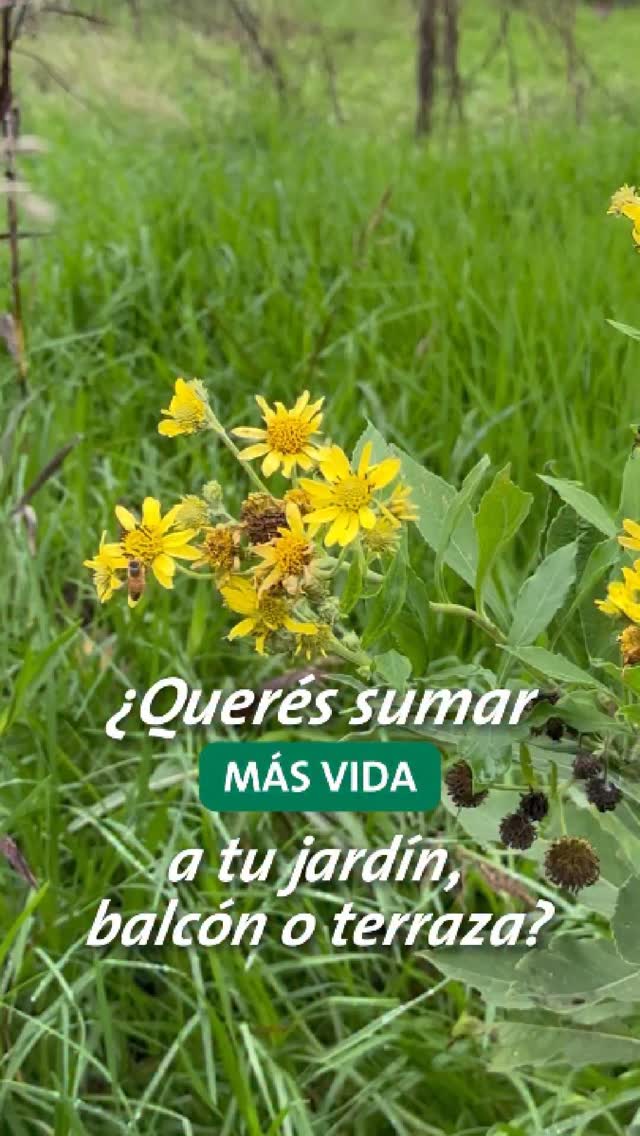
- The significance of Earth Day and its connection to biodiversity.
- The benefits of choosing native plants in gardens, balconies, and terraces.
- How native plants attract essential pollinators.
- The role of biodiversity in ecosystem health and resilience.
- Practical steps for selecting and maintaining native plants.
Earth Day, observed on April 22, serves as an annual reminder of our responsibility toward the environment. The day emphasizes the importance of biodiversity and encourages individuals to take practical actions that contribute to ecological health. One effective way to honor this day is by choosing native plants for our gardens, balconies, and terraces.
Native plants play a crucial role in reconnecting our green spaces with local biodiversity. Unlike their non-native counterparts, native plants have adapted to their local ecosystems over thousands of years. They provide food and habitat for various species, thus fostering a robust network of life in urban and suburban environments.
Incorporating native plants into your green spaces offers numerous benefits. Firstly, they often require less water and maintenance, making them an excellent choice for conservation-oriented gardening. Secondly, native plants support local wildlife. They produce seeds, fruits, and nectar that various animals, including birds, bees, and butterflies, rely upon for survival. This connection with local species helps rebuild ecosystems that have been fractured by urbanization and habitat loss.
Pollinators are fundamental to maintaining biodiversity. Bees, butterflies, and other pollinators are critical for the reproduction of many plants. They help in the production of fruits and seeds, which are vital for other animal species. By selecting native plants, gardeners can create habitats that attract these crucial pollinators, thereby enhancing local wildlife populations. For instance, native flowering plants such as Milkweed attract Monarch butterflies, whose larvae rely specifically on this plant for nourishment.
Biodiversity is often likened to the foundation of a healthy ecosystem. A diverse array of species contributes to ecosystem stability, which, in turn, supports human life through clean air, water, and food. Ecosystems rich in biodiversity are also generally more resilient to climate change, disease, and invasive species. By investing in native plants, individuals contribute to a more balanced environment, promoting a rich tapestry of life around them.
To get started with incorporating native plants into your outdoor spaces, first consult local resources. Many horticultural societies and extension programs provide lists of plants native to specific regions. Local nurseries specializing in native species can also offer guidance on options that are both beautiful and functional. Resources like the Native Plant Society provide educational materials and support networks for gardeners committing to native gardening.
When selecting native plants, consider the specific conditions of your environment. Assess factors such as soil type, sunlight, and available space. Some native plants thrive in shaded areas, while others require full sun to flourish. Layering plants with varying heights can also create visual interest and provide habitat for different species. For example, tall sunflowers can support nesting birds while shorter flowering herbs attract pollinators.
Maintenance of native plants is generally easier than that of exotic varieties. These plants are well-adapted to the local climate, which often means less watering and fewer fertilizers. However, minimal care does not mean no care. Some native varieties may need occasional pruning or deadheading to encourage blooming. Regular observation of your plantings allows for early identification of pest issues, which can often be managed without harsh chemicals, maintaining the integrity of your ecosystem.
Community gardening initiatives can offer a collective approach to enhancing local biodiversity. By working together, communities can expand their green spaces, share knowledge about native species, and create more extensive habitats for local wildlife. Community gardens that focus on native plants can play a significant role in education, awareness, and community engagement, enhancing ecological stewardship.
In educational settings, schools can utilize native plants to teach students about biology, ecology, and conservation practices. Hands-on activities such as planting and maintaining native gardens foster a connection with nature, instilling values of environmental responsibility in the younger generation. Understanding the importance of native organisms is vital for fostering future conservationists.
Pollinator pathways, networks of gardens encouraging pollinator activity, represent another impactful approach to integrating native plants in urban areas. These pathways connect green spaces, improving habitat connectivity for species that travel between sites in search of food and shelter. Public parks and residential gardens can contribute to this initiative through careful planning and planting of localized flora.
Furthermore, the inclusion of native plants in urban planning has the potential to enhance mental health and well-being. Green spaces can combat urban heat by providing shade, improving air quality, and offering refuge for city dwellers. Connectivity with nature through native plantings fosters psychological well-being, decreases stress, and promotes social interaction.
Engagement in native plant gardening also supports the local economy. Local nurseries that specialize in native plants often promote sustainable practices and provide employment opportunities within the community. By investing in local ecosystems, residents can encourage economic resilience, education, and a sense of pride in environmental stewardship among community members.
Digital platforms promoting native gardening practices can further disseminate knowledge about the importance of local flora. Online forums, social media groups, and informative websites serve as collaborative spaces for enthusiasts to share tips, successes, and challenges. This exchange fosters a broader understanding of the interconnectedness of plants, pollinators, and ecosystems within a locality.
In a rapidly changing world, focusing on local solutions such as native plant gardening presents a citizen-led approach to addressing biodiversity loss. As each person takes meaningful steps toward creating habitats for local wildlife, they contribute to a larger movement that emphasizes the necessity of protecting and enhancing the natural world.
In summary, the selection of native plants is a powerful action to celebrate Earth Day and promote long-term ecological health. By choosing native plants, individuals help restore local ecosystems, attract essential pollinators, and contribute to community resilience. Gardening with native flora also serves as a catalyst for education, promoting the understanding and importance of biodiversity. Through these actions, everyone can play a pivotal role in fostering a healthier planet Earth.
*****
Source Description
En el Día de la Tierra, una forma concreta de sumar es elegir plantas nativas. 🌱
En un jardín, balcón o terraza ayudan a atraer polinizadores y a reconectar nuestros espacios con la biodiversidad local.🦋💚
