
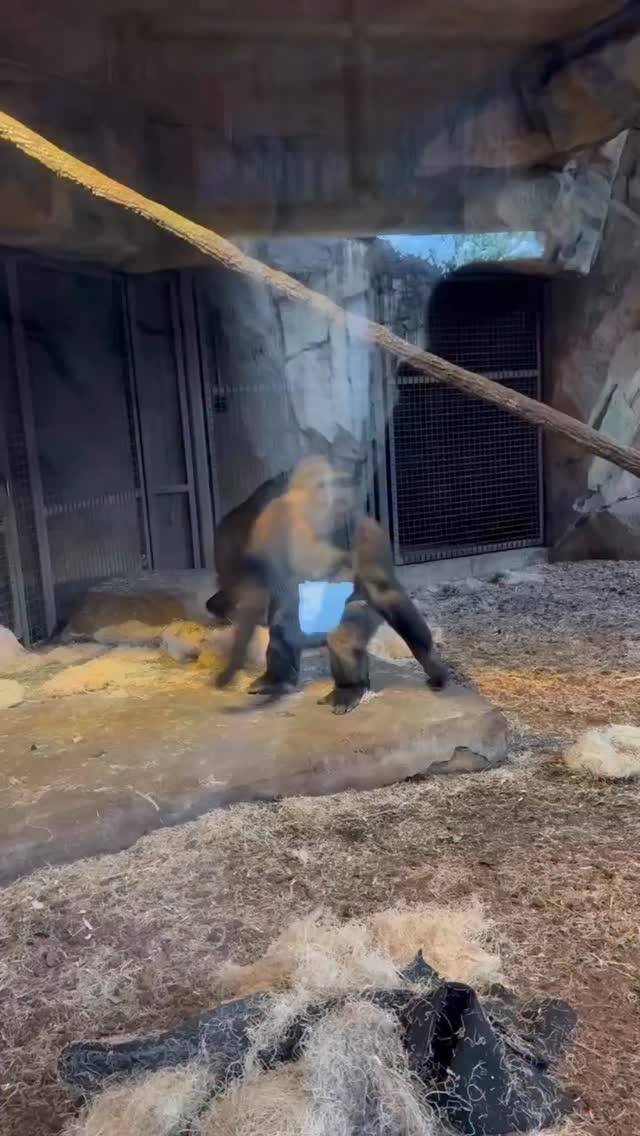
- The intricate relationship between mobile phone production and gorilla habitat destruction.
- Understanding coltan and its role in electronic devices.
- The significant impact of recycling old phones on global conservation efforts.
- The collaborative efforts of Cincinnati Zoo and ECO-CELL in electronic waste management.
- Effective strategies for individuals to contribute to wildlife conservation through responsible recycling.
The intricate relationship between mobile phone production and gorilla habitat destruction is a pressing issue that often goes unnoticed. As technology advances and the demand for consumer electronics rises, the environmental implications grow more concerning. One of the primary minerals involved in the production of cell phones is coltan, or columbite-tantalite, which is predominantly mined in areas that serve as habitats for various endangered species, including gorillas. This mining process involves the extraction of coltan from the earth, leading to deforestation and habitat fragmentation. When forests are cleared for mining operations, the delicate ecosystems that gorillas depend on are disrupted, resulting in increased human-wildlife conflict.
Coltan itself is an essential mineral used in the production of capacitors for mobile phones and other electronic devices. It plays a critical role in ensuring optimal performance in electronics, making it a high-demand commodity. However, the extraction of coltan from regions in Central Africa, such as the Democratic Republic of Congo, has far-reaching implications. Gorilla populations, already endangered due to habitat loss, poaching, and disease, face additional stress as their living spaces shrink. With growing threats from mining activity, the balance of these fragile ecosystems is increasingly jeopardized, leading to populations on the brink of extinction.
The impact of recycling old phones on global conservation efforts cannot be overstated. When consumers recycle their devices, they help mitigate the demand for new materials like coltan. Recycling programs allow for the recovery of valuable minerals from old devices, thereby reducing the need for additional mining. Moreover, responsible recycling can significantly decrease electronic waste, which comprises toxic substances harmful to both humans and wildlife. Each phone that is recycled can alleviate some of the pressure on gorilla habitats while promoting a circular economy that prioritizes sustainability.
The Cincinnati Zoo has taken a commendable approach to tackle this issue through its partnership with ECO-CELL, an organization dedicated to responsible recycling of electronic waste. The zoo has established a program encouraging visitors to bring their old cell phones for recycling. The initiative not only serves an environmental purpose but also raises funds for gorilla conservation efforts. By recycling phones, participants contribute financially to the zoo’s projects aimed at protecting gorillas and their habitats, creating a synergy between individual action and larger conservation goals.
Effective strategies for individuals to contribute to wildlife conservation through responsible recycling include understanding local recycling programs and their impact. Many communities now offer convenient ways for residents to recycle old electronics, often with the added benefit that proceeds help support environmental initiatives. By taking the time to check for local recycling options, individuals can ensure their unused devices are processed responsibly. Furthermore, increasing awareness about the environmental impacts associated with mobile phone manufacturing can motivate more people to make conscious choices about their electronics and their end-of-life disposal.
Educational outreach regarding electronic waste’s impact goes a long way in galvanizing community action. Schools, businesses, and zoos can work together to organize events that promote recycling and educate the public about the links between technology and wildlife conservation. Workshops, informational sessions, and hands-on events can engage various age groups, making the lessons learned more impactful.
In summary, understanding the cycle of cell phone production, usage, and disposal can empower individuals to make better choices that contribute to wildlife conservation efforts. It emphasizes the connection between everyday consumer practices and larger environmental narratives. The collaboration between organizations, such as the Cincinnati Zoo and ECO-CELL reinforces this message, highlighting the importance of community involvement in combating ecological threats.
As we move forward in a world where technology is integral to daily life, fostering awareness about sustainable practices becomes paramount. By addressing the challenges posed by coltan mining and promoting recycling, we can work collectively to protect endangered species like gorillas. Each phone recycled represents a step towards safeguarding their habitat, sending a powerful message about the role each individual plays in the larger conservation picture. Engaging in conversations around this issue, spreading awareness, and actively participating in recycling initiatives can contribute significantly to wildlife preservation efforts.
*****
Source Description
Elle – the wild child. Did you know that recycling your old phone can make a real difference for gorillas in the wild? Cell phones contain minerals like coltan, which is often mined in gorilla habitats in Central Africa. Mining disrupts forests, increases human–wildlife conflict, and puts already endangered gorilla populations at greater risk. Cincinnati Zoo proudly partners with ECO-CELL to responsibly recycle electronic waste AND raise money for gorilla conservation! Bring your old cell phones to the zoo to recycle them.
