
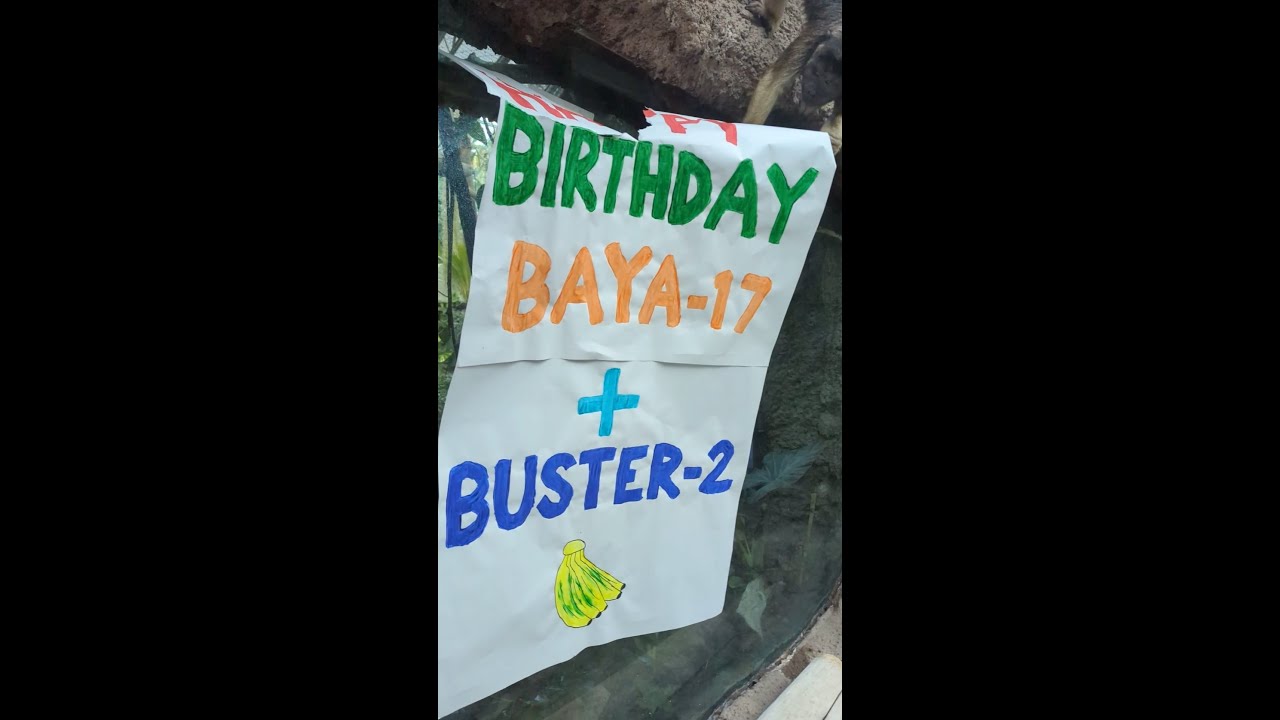
- The significance of Baya and Buster’s birthdays in promoting wildlife conservation and animal welfare.
- Detailed insights into the habits and habitats of the species represented by Baya and Buster.
- The role of zoos in education and fostering a connection between the public and wildlife.
- The challenges and advancements in zoo management and animal care.
- Conservation efforts at zoos and their impact on species survival.
Celebrating the birthdays of animals like Baya and Buster is more than just a festive occasion; it plays a crucial role in wildlife conservation and animal welfare. These events serve as platforms for education, raising public awareness about the ecological issues that affect many species globally. By celebrating such occasions, zoos connect people to wildlife, reminding us of our shared responsibility to protect and conserve our natural world.
Baya and Buster, whose birthdays are being celebrated, offer a unique lens through which to explore various aspects of zoology and conservation efforts. Let’s delve into the fascinating details about the species they represent, their natural habitats, and the broader role zoos play in society.
To start with, understanding the species that Baya and Buster belong to can offer critical insights into their unique biology and ecological roles. In their natural habitats, such species often play pivotal roles in maintaining ecological balance. For instance, animals like Baya, if native to tropical environments, could be seed dispersers, crucial for forest regeneration. On the other hand, Buster might belong to a species vital for controlling insect populations or contributing to the food web dynamics.
Zoo environments strive to replicate natural habitats as closely as possible, providing enrichment activities that stimulate natural behaviors. This not only enhances animal welfare but also aids in educational displays that inform the public. Enrichment activities for animals like Baya and Buster could include objects that encourage foraging or mimic the challenges they would face in the wild. Such efforts help maintain their physical health and psychological well-being.
Zoos have progressed significantly from mere exhibition spaces to centers of education and conservation. They play a critical role in fostering a connection between humans and animals, promoting a sense of responsibility and empathy towards wildlife. These institutions serve as crucial nodes for conservation education, providing learning opportunities that textbooks alone cannot.
They employ expert educators and guide visitors through engaging programs that emphasize the importance of biodiversity and the mutual benefits of conservation. Interactive exhibits and behind-the-scenes tours offer deep insights into animal care and welfare practices, further engaging the public in these vital missions.
Managing a zoo involves addressing numerous challenges, ranging from animal healthcare to ensuring sustainable practices. The staff must be adept in veterinary medicine, animal nutrition, and environmental science. Regular health checks and specialized diets are crucial for the well-being of residents like Baya and Buster, ensuring they live healthy and active lives. Innovations in habitat design and husbandry techniques continually evolve, underscoring the dynamic nature of zoo management.
Conservation efforts within zoos are increasingly sophisticated, focusing not only on captive breeding programs but also on field research and habitat restoration initiatives. Many zoos contribute to global databases that track genetic information, forming part of broader strategies to maintain genetic diversity and prevent inbreeding. They collaborate with international conservation organizations to reintroduce species into their native habitats, supporting both ecosystem restoration and species revival.
Baya and Buster’s birthday celebrations serve as a microcosm for these multifaceted endeavors. They highlight the importance of individuals within the ecosystem, showcasing species-specific behaviors and needs. By engaging visitors with charismatic ambassadors like Baya and Buster, zoos can inspire action and support for broader conservation projects.
The celebration is not just a milestone for these animals but a reminder of the broader biodiversity challenges we face. It encourages reflection on the importance of preserving the delicate balance of ecosystems that sustain these species. Every zoo visit becomes an opportunity for individuals to learn about environmental stewardship and participate in conservation efforts.
In recent years, zoos have also embraced technological advances to enhance visitor engagement and educational reach. Augmented reality, live-streaming events, and interactive apps allow people to connect with the animals and conservation efforts in more personalized and impactful ways. These innovations make it possible to extend the reach of the zoo’s message beyond its physical location, fostering a global community of conservation advocates.
Furthermore, the integration of conservation science with zoo management is pivotal in addressing new challenges presented by climate change and habitat loss. Research conducted in zoos can lead to breakthroughs in understanding animal behaviors, reproductive physiology, and disease dynamics. Baya and Buster are part of a larger narrative that connects these scientific endeavors with tangible conservation outcomes.
Zoos often partner with universities and research institutes to drive conservation science forward, leveraging their unique position to facilitate longitudinal studies that might be impossible in the wild. These partnerships enhance our understanding of species-specific needs and environmental thresholds, contributing valuable data to conservation strategies worldwide.
In summary, the birthdays of animals like Baya and Buster symbolize much more than mere commemoration. They embody the intricate relationships between species conservation, education, and zoo management. By focusing on the needs and lives of animals, zoos serve as bastions of biodiversity conservation, championing the survival of species across the globe.
These events not only create joyful experiences for the visitors but also instill a lasting commitment to wildlife and environmental causes. Through the celebration of Baya and Buster, we are reminded of the intrinsic value of our natural world and the ongoing efforts to safeguard it for future generations.
*****
Source Description
Join us in wishing a very happy birthday to our howler monkeys in Tropical Discovery! Baya celebrated her 17th birthday, and little Buster rang in age 2, both with plenty of festive enrichment, decorations, and treats.
These two and the rest of the howler family share their habitat with our capybaras, making for one of the most charming roommate situations at the Zoo.
Help us send them all the birthday love! 🎂
🎥: Animal Care Specialist Erik Bowker (@webhead286)
#DenverZooConservationAlliance #HowlerMonkeys #TropicalDiscovery
