
- The role of animals in our ecosystem and the importance of biodiversity
- Various career paths available for those interested in working with animals
- Essential skills and education needed for careers in zoology and related fields
- The significance of wildlife conservation and ethical treatment of animals
- Inspiring stories and messages for future generations of animal advocates
The significance of animals in our ecosystem cannot be overstated. They play crucial roles in maintaining balanced environments, supporting various ecosystems that are critical not only for their survival but also for human life. From pollinators like bees to apex predators like lions, each species contributes to the intricate web of life. Biodiversity enhances resilience against environmental changes and disasters. It’s vital for young girls, especially those interested in animal careers, to recognize how their passion can have a profound impact on our planet.
A variety of career paths await those ready to work with animals. Those aspiring to enter this field may think only of veterinarians or zookeepers, but the opportunities extend far beyond. Wildlife biologists study animal behavior and habitats, providing insights into how species adapt to their environments. Conservation officers focus on protecting wildlife and natural habitats through enforcing regulations and educating communities. Animal behaviorists analyze how animals interact within their environments, offering data that can greatly aid in conservation efforts. Furthermore, roles in animal training, rehabilitation, and even veterinary science encompass a range of specializations. These diverse options underline the multifaceted nature of working with animals and highlight that each path can lead to significant contributions to wildlife conservation.
Pursuing a career in zoology or a related field requires specific skills and education. Typically, a bachelor’s degree in zoology, biology, or a related discipline is the first step. Courses often cover animal biology, ecology, genetics, and conservation techniques. Hands-on experience is equally critical, and many students seek internships at local zoos, wildlife reserves, or research labs. Essential skills include observation, analytical thinking, and communication. Working with animals also demands a strong ethical foundation and a deep respect for their well-being. Having the ability to engage with the public effectively can make a meaningful difference in raising awareness and support for animal-related causes.
The call for wildlife conservation is urgent. Many species face extinction due to habitat loss, climate change, and poaching. Careers focused on conservation are not just jobs; they are missions encapsulated by a shared vision of protecting life on Earth. Girls aspiring to work with animals must understand the challenges these species face. Conservation efforts rely heavily on both scientific research and community involvement. The more aware future generations are about these issues, the better equipped they will be to enact change. Education is a powerful tool, and those who work with animals often become advocates for their protection, raising public awareness on how to coexist harmoniously with wildlife.
Finally, stories from those who have pursued animal-related careers can provide inspiration and guidance. Many women have made significant strides in the field, such as Dr. Jane Goodall, renowned for her groundbreaking research on chimpanzees. Her journey demonstrates that a deep affinity for animals can lead to transformative change on a global scale. Young girls should feel empowered by such role models. They are capable of making significant contributions to conservation efforts and animal welfare. Encouraging them to share their ideas, experiences, and passion is essential for fostering the next generation of animal advocates.
In summary, the role of animals in our ecosystem is vital, and numerous career paths exist for those interested in working with them. Developing essential skills and education is crucial for success in zoology and wildlife conservation. The urgent need for wildlife conservation cannot be ignored, and individuals who are passionate about animal welfare can contribute significantly to this cause. Inspirational stories can motivate young girls to pursue their dreams and make a difference in the world. Each one of us has a role to play in advocating for the well-being of animals and the health of our planet.
*****
Source Description
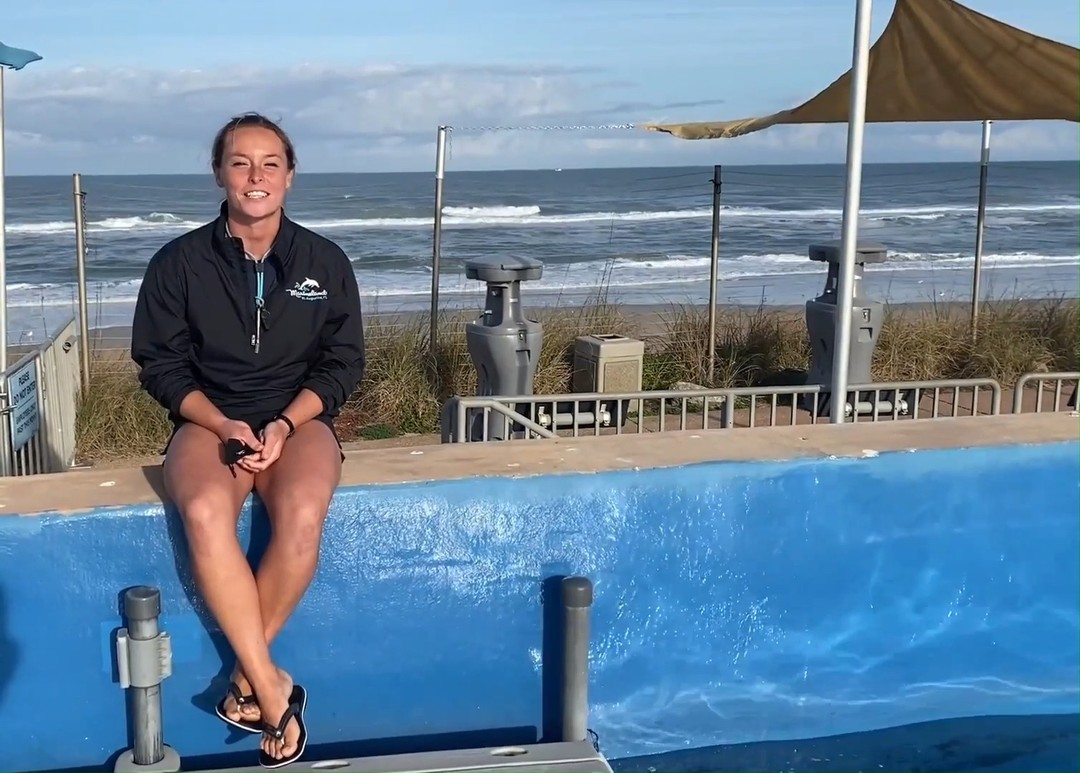
As we continue we’re giving Emily the microphone and she has a very special message for girls who want to work with animals when they grow up.
