
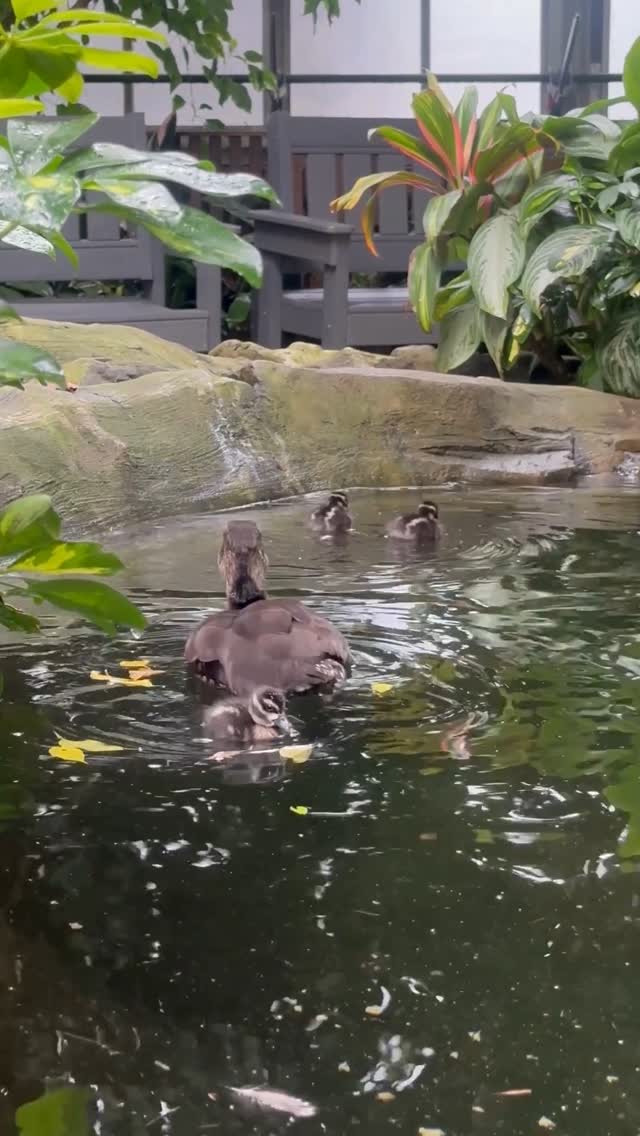
- The significance of Spotted Whistling-Ducks in their ecosystems
- Insights into the care and breeding of Spotted Whistling-Ducks
- The educational benefits of naming the ducklings
- How public engagement strengthens wildlife conservation efforts
- Details of the Name-A-Bird Program and its impacts
The Spotted Whistling-Duck (Dendrocygna guttata) plays an important role in its ecosystem. These waterfowl fulfill various ecological niches, acting as both prey and herbivores. In agricultural landscapes and wetland ecosystems, their grazing habits contribute to plant community dynamics. By consuming seeds and aquatic plants, they help maintain habitat diversity. Their presence can indicate the health of wetland environments, making their conservation vital.
Care and breeding of Spotted Whistling-Ducks require specialized knowledge. These ducks typically nest near water and prefer shallow habitats. Responsible breeding programs mimic their natural environment to promote successful hatching. Managed care involves ensuring the right temperature and humidity levels, as well as monitoring parental behavior. Ducks are generally social birds, so providing a suitable group dynamic is essential for their well-being. The integration of enrichment activities can promote natural behaviors and foster social skills.
Naming the ducklings offers educational opportunities for community involvement. Participation sparks interest in wildlife and raises awareness about avian species. By engaging the public, educational outreach can foster a sense of responsibility toward local ecosystems. The act of naming each duckling can be an exciting way to connect donors more personally with conservation efforts.
Public engagement in wildlife conservation is not just beneficial; it is crucial. As communities become more involved, institutions can garner support for habitats and species in need of protection. Understanding the complexities of biodiversity encourages active participation in conservation efforts. This relationship often leads to enhanced funding and resources allocated for these initiatives. With support from passionate individuals, organizations can make substantial leaps in their conservation missions.
The Name-A-Bird Program provides an interactive way for individuals to participate in conservation. For every $10 donation through the Silent Auction link, donors are entered into a drawing for the opportunity to name a duckling. The winner receives several benefits, including a naming certificate, a photograph of the duckling, a Spotted Whistling-Duck fact sheet, and a special tour to meet the duck’s care staff. This program not only gives donors a unique experience but also provides vital funding for ongoing conservation projects.
As these Spotted Whistling-Ducklings continue to grow, they serve as ambassadors for their species. Their presence highlights the importance of protecting wetlands and the wildlife that depends on these habitats. Effective conservation efforts require community involvement, and the Name-A-Bird Program exemplifies this principle. By taking part, individuals can help forge a deeper connection with wildlife and contribute to long-term environmental stewardship.
Engagement through naming the ducklings is a creative approach to build interest in avian conservation. Each contribution reinforces the idea that every individual can play a role in protecting the planet’s biodiversity. This initiative ultimately aims to inspire awe and respect for the natural world. Wildlife conservation is a shared responsibility, and initiatives like these highlight the importance of collective action.
Participating in the Name-A-Bird Program encourages donors to become stakeholders in wildlife conservation. The chance to name a duckling not only invites personal connection but also emphasizes the value of wildlife education. With each name chosen, there’s potential for creating dialogue about the significance of the Spotted Whistling-Duck and its ecosystem. In educating the community, we can foster a more sustainable relationship between people and the natural world.
The Spotted Whistling-Ducklings are highlights in zoo and conservation settings. Observers might find themselves drawn to these charming and sociable birds. It is this fascination that fuels interest in conservation initiatives. Wildlife organizations design programs that capture public imagination and encourage donations, which can significantly influence conservation outcomes.
Moreover, naming initiatives contribute to broader educational campaigns. By sharing information about Spotted Whistling-Ducks and the challenges they face, organizations create awareness about habitat degradation and climate change. Effective collaboration between zoos, wildlife organizations, and community members greatly increases visibility for these issues. Engaging local populations through participatory experiences like the Name-A-Bird Program creates a future generation that values and understands wildlife conservation.
The timeline of support for Spotted Whistling-Ducks can extend far beyond the donation period for the Name-A-Bird Program. Financial contributions can fund habitat restoration, breeding programs, and educational outreach. Each duckling symbolizes the commitment to wildlife conservation. By investing in these initiatives, supporters cultivate a legacy of species protection. The Name-A-Bird Program is a poignant example of how financial support can translate into educational opportunities and environmental advancements.
As we witness the growth of the Spotted Whistling-Ducklings, their journey reflects the broader narrative of wildlife conservation. Their fledgling lives encapsulate the essential work being done to protect biodiversity. Each step taken and each name given is aligned with larger conservation goals. It’s through collective efforts that organizations can bolster their mission to safeguard local species and habitats.
Ultimately, naming a duckling through the Name-A-Bird Program is more than an opportunity to choose a name; it is an investment in wildlife conservation. The ripple effect of public engagement can inspire a deeper sense of stewardship within the community. By fostering relationships with local ecosystems, we build a foundation for future conservation initiatives. The combination of educational opportunity and funding support amplifies the mission to protect these remarkable birds.
The importance of both global and community-focused conservation strategies cannot be overstated. Individuals participating in programs like Name-A-Bird create a shared narrative of hope and responsibility. From the moment the egg hatches to the eventual naming of the ducklings, each phase reflects collaboration and dedication to preserving biodiversity. Together, we can celebrate these remarkable creatures while providing meaningful support for their ongoing care and habitat protection.
For those interested in participating, remember to donate by the deadline. Your contribution has the potential to make a significant impact. Not only do you get a chance to name a duckling, but you will also support continued wildlife education and conservation efforts. Adjusting our relationship with nature starts with active participation and thoughtful engagement.
*****
Source Description
Remember our Spotted Whistling-Ducklings that hatched a few months ago? Welp, they need names…and YOU HAVE THE CHANCE TO PICK ONE! Yes…really!
For every $10 donation you provide through our Silent Auction link, you’ll be entered into a drawing for the opportunity to name one of them. One lucky donor will enjoy several Name-A-Bird Program benefits, including:
🦆 Naming certificate
🦆 Photograph of the duckling
🦆 Spotted Whistling-Duck fact sheet
🦆 Special tour that includes a visit with the duck’s care staff
MUST DONATE through this link to enter:
.
.
https://event.gives/tropics2025/items/389628791
All donations must be submitted by Fri., July 11 at 9 pm EST to be entered to win. Winner need not be present.
