
- Characteristics and Anatomy of the Emu
- Habitat and Distribution
- Diet and Behavior
- Breeding and Lifecycle
- Conservation Status and Efforts
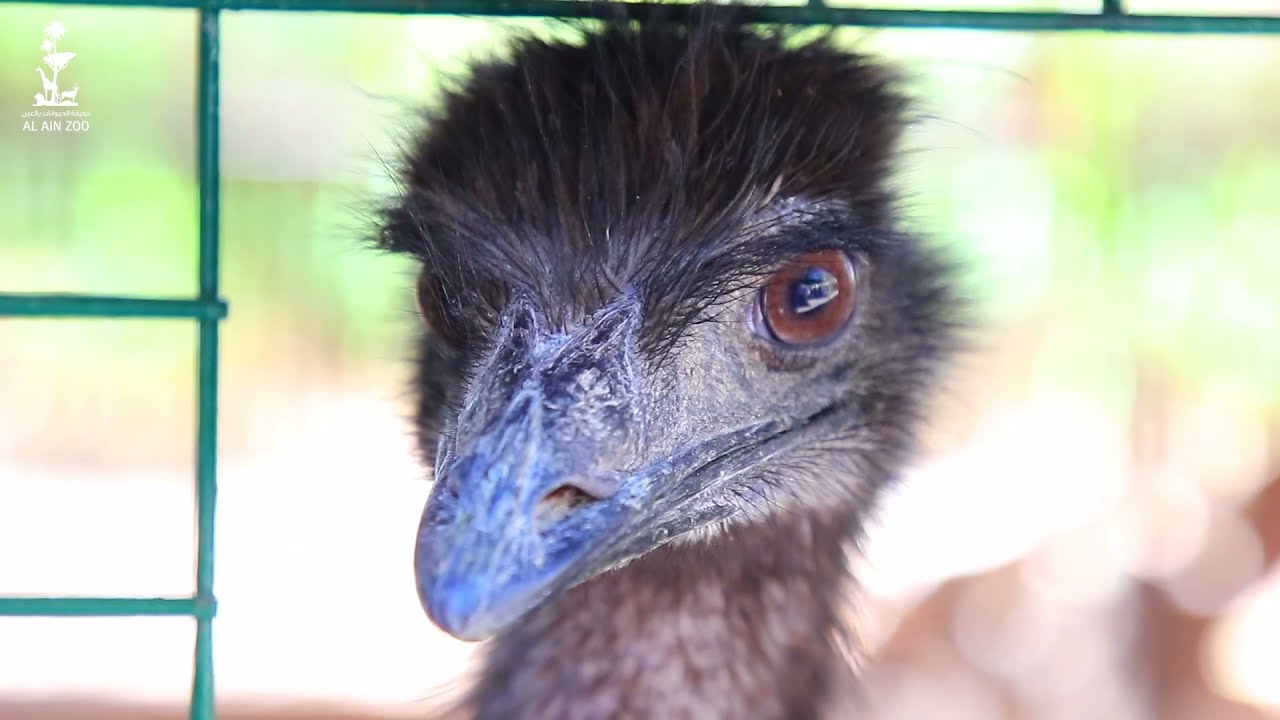
The Emu (Dromaius novaehollandiae) is a large flightless bird native to Australia. With the ability to reach heights of up to 6 feet, the emu is the second-largest bird in the world, only surpassed by the ostrich. Emus are characterized by their long legs, large feet, and an elongated neck, topped with a small head. Their plumage consists of soft, brownish feathers that often appear shaggy. This unique structure allows them to adapt to Australia’s diverse environments, from forests to grasslands.
Emus possess excellent hearing and vision, enabling them to detect potential threats from a distance. Their powerful legs, adapted for running, can propel them at speeds of nearly 30 miles per hour. These adaptations make emus well-suited for a wide range of habitats, where they can forage for food and evade predators.
In their natural settings, emus are typically found across a vast area, including both urban and rural landscapes. They prefer open areas where they can easily spot predators and find food. The birds are commonly seen in grassy plains, woodlands, and scrublands. Their ability to thrive in varied climates demonstrates their resilience and adaptability.
Emus are omnivorous, primarily feeding on grasses, fruits, seeds, and insects. They exhibit foraging behaviors that change with the season, seeking out different food sources as they become available. Emus use their keen eyesight to find food in the ground and often consume a significant variety of vegetation. This diverse diet plays a role in their health and includes important nutrients necessary for survival.
Socially, emus are known to be somewhat solitary but also exhibit social behaviors while foraging. They can often be seen in small groups or pairs, particularly during the non-breeding season. Their vocalizations include grunts and booming sounds, which are used to communicate with one another. These sounds are particularly important during the breeding season when males form bonds with females.
When it comes to reproduction, emus have a unique breeding system. Males are responsible for incubating the eggs, which can range from 5 to 15 in a single clutch. After mating, the female lays her eggs in a nest made on the ground. The male then takes over incubation duties for about 8 weeks, during which he does not eat and remains close to the nest. This parental investment is crucial for the survival of the next generation, showcasing the important role males play in their lifecycle.
The breeding season typically occurs from late spring to early summer. Both parents are protective of their young once they hatch, helping them to adapt to their environment and learn vital survival skills. This nurturing behavior minimizes predation risks in their vulnerable first few weeks.
In terms of conservation, the emu is not currently considered endangered; however, habitat loss due to agricultural expansion and urban development poses threats to their populations. Conservation efforts focus on maintaining suitable habitats and promoting sustainable land-use practices. In areas where emus face challenges from human development, wildlife corridors and protected reserves are increasingly important.
Due to their large size and adaptability, emus play a vital role in their ecosystems. By foraging for seeds and fruits, they aid in seed dispersal, promoting plant growth. Protecting these birds ensures the preservation of the broader ecological balance.
Ongoing research into emu behavior and genetics is crucial for understanding how these birds respond to environmental changes. By conserving various habitats and promoting educational programs, there is hope to ensure that future generations can appreciate these remarkable birds.
In summary, the emu stands as a fascinating subject in zoology and conservation. Their distinctive physical characteristics, intricate behaviors, and vital ecological roles emphasize the importance of ongoing efforts to understand and protect them. Through education and engagement, we can work towards a future where emus continue to thrive in their natural habitats.
*****
Source Description
يمتلك النعام الأسترالي ريشاً ولكنه لا يستطيع الطيران!
تعرفوا على النعام الأسترالي العجيب في زيارتكم القادمة لحديقة الأطفال الاستكشافية في حديقة الحيوانات بالعين.
.
Did you know that Emu is a flightless bird?
Get closer to nature and find out more about the wonderful Emu at the Children’s Discovery Garden at Al Ain Zoo.
#alainzoo #uae
