
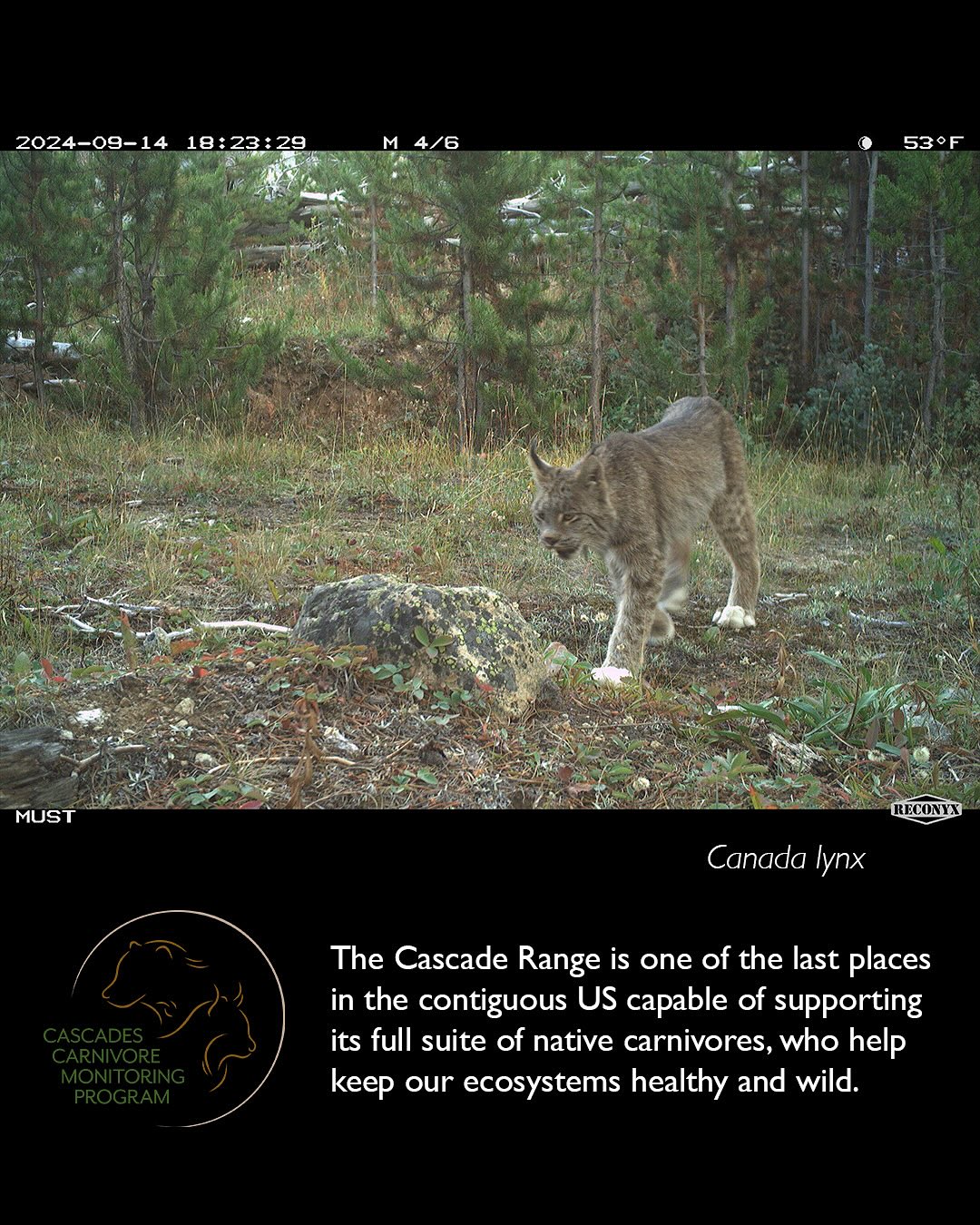
- The ecological significance of the Canada lynx and wolverine in the North Cascades.
- The impact of climate change on these elusive carnivores.
- An overview of the Cascade Carnivore Monitoring Program and its objectives.
- The role of technology in wildlife conservation, specifically remote camera usage.
- Strategies to protect these species amidst growing human activities in their habitats.
The Canada lynx and wolverine hold significant ecological roles in the North Cascades. Both species are indicators of ecosystem health due to their position in the food chain. As carnivores, they help regulate populations of their prey, which includes small mammals and carrion. This balance is crucial for maintaining the integrity of their habitats. The presence of these species often suggests a rich biodiversity in their surroundings, underscoring the importance of conserving these habitats.
However, the ongoing effects of climate change are challenging the survival of both species. The Canada lynx relies heavily on snowshoe hares, which are closely associated with deep, persistent snowpack. Warming temperatures are leading to melting snowpacks, which disrupts this balance. Wolverines depend on stable spring snow conditions to create maternal dens where they can safely rear their young. The decline in snowpack directly threatens their reproductive success. Furthermore, increased temperatures are causing devastation in high-elevation forests, which are essential for lynx habitats. Catastrophic wildfires exacerbate the loss of these crucial environments, making it more difficult for lynx to thrive.
The Cascade Carnivore Monitoring Program was initiated through a partnership involving the Living Northwest Conservation team and research biologists at Washington State University. This collaborative effort aims to monitor and understand the population dynamics of these elusive carnivores. Through employing remote cameras placed in key locations, researchers can gather data without disturbing the animals. The first deployment of these remote cameras took place in 2024, marking the beginning of a long-term study. This program is poised to develop valuable insights into the distribution and behavior of wolverines and Canada lynx.
Remote cameras serve as a powerful tool in wildlife conservation, offering several advantages. They allow biologists to monitor animal activity without capturing or handling them, thus reducing the stress on these sensitive creatures. By capturing images and videos at strategic locations, researchers can gain a better understanding of population sizes, health, and behavior. This accumulated data is essential for effective conservation strategies, as it provides a clearer picture of the species’ status.
The participation of over two dozen partners in the Cascade Carnivore Monitoring Program highlights the collaborative effort required to protect these species. Engaging local communities, conservation organizations, and research institutions fosters a holistic approach to addressing the challenges faced by the Canada lynx and wolverine. The combined efforts not only enhance data collection but also raise public awareness about the importance of these species and their habitats.
Growing recreational pressures in the backcountry are creating additional challenges for the Canada lynx and wolverine. As more people venture into natural spaces, the risk of habitat disturbance increases. This recreational influx can lead to increased encounters with wildlife, which is often detrimental to sensitive species. Human activities such as hiking, mountain biking, and snowmobiling can disrupt feeding, breeding, and migratory patterns. It is imperative to implement strategies that balance access to these habitats while safeguarding the welfare of the animals.
To mitigate the impact of human activities, public education is crucial. Teaching outdoor enthusiasts about the behaviors and needs of these carnivores can foster a respectful relationship between humans and wildlife. This education can include guidelines on minimizing disturbance and understanding how to observe wildlife responsibly. Additionally, establishing designated trails and areas can help concentrate human activity, thus reducing the overall footprint on sensitive habitats.
Participation in conservation efforts can also extend beyond awareness. Volunteers can help with monitoring and data collection, thus playing a direct role in the preservation of these species. Engaging the local public fosters a sense of stewardship and investment in the environment. This community involvement is vital for long-term conservation success.
Future challenges for the Canada lynx and wolverine include the ongoing impacts of climate change and habitat loss due to human intervention. Monitoring the health of these populations through initiatives like the Cascade Carnivore Monitoring Program is more critical than ever. Continuous research will provide essential data to inform conservation strategies and adjust management practices as needed. Such adaptive management approaches are necessary to respond to the changing conditions many climates.
In summary, the Canada lynx and wolverine are vital components of the biodiversity in the North Cascades. Their rarity and ecological roles symbolize the need for focused conservation efforts. The ongoing challenges posed by climate change and increased recreational pressures can be addressed through diligent research and community engagement. The innovative use of remote cameras in the Cascade Carnivore Monitoring Program exemplifies a modern approach to wildlife management. By leveraging technology and collaboration, we can work towards sustainable solutions for these extraordinary species.
Discover more about the Cascade Carnivore Monitoring Program and the detailed findings at zoo.org/carnivoremonitoring. This resource provides an update on the ongoing research as well as ways to get involved in conservation efforts dedicated to protecting the Canada lynx and wolverine.
*****
Source Description
If a Canada lynx or wolverine graces a human with their presence, it’s a very lucky—and rare—encounter. Likewise, we’re thrilled to find these elusive Northwest carnivores through the lens of remote cameras placed in the North Cascades.
The highly collaborative Cascade Carnivore Monitoring Program, co-initiated by our own Living Northwest Conservation team and research biologists at Washington State University, has been quietly studying wolverines and Canada lynx using on- and off-trail remote cameras—non-invasive tools that allow us to better understand their population status and distribution.
Wolverines and Canada lynx are two of the rarest mammals in the Cascades, but climate change and other human impacts threaten today’s small populations. The persistent spring snowpack that wolverines rely on for maternal denning is at risk from our warming climate, while high-elevation forests inhabited by lynx have been decimated by catastrophic wildfires. Recreation is also putting more pressure on sensitive carnivores as a growing number of people visit the backcountry.
Field crews with the Cascades Carnivore Monitoring Program first deployed remote cameras in 2024, and footage from the inaugural year are now ready to share. Thanks to the participation of over two dozen partners, this 20-year monitoring program is off to a beautiful start.
Discover more at zoo.org/carnivoremonitoring
