
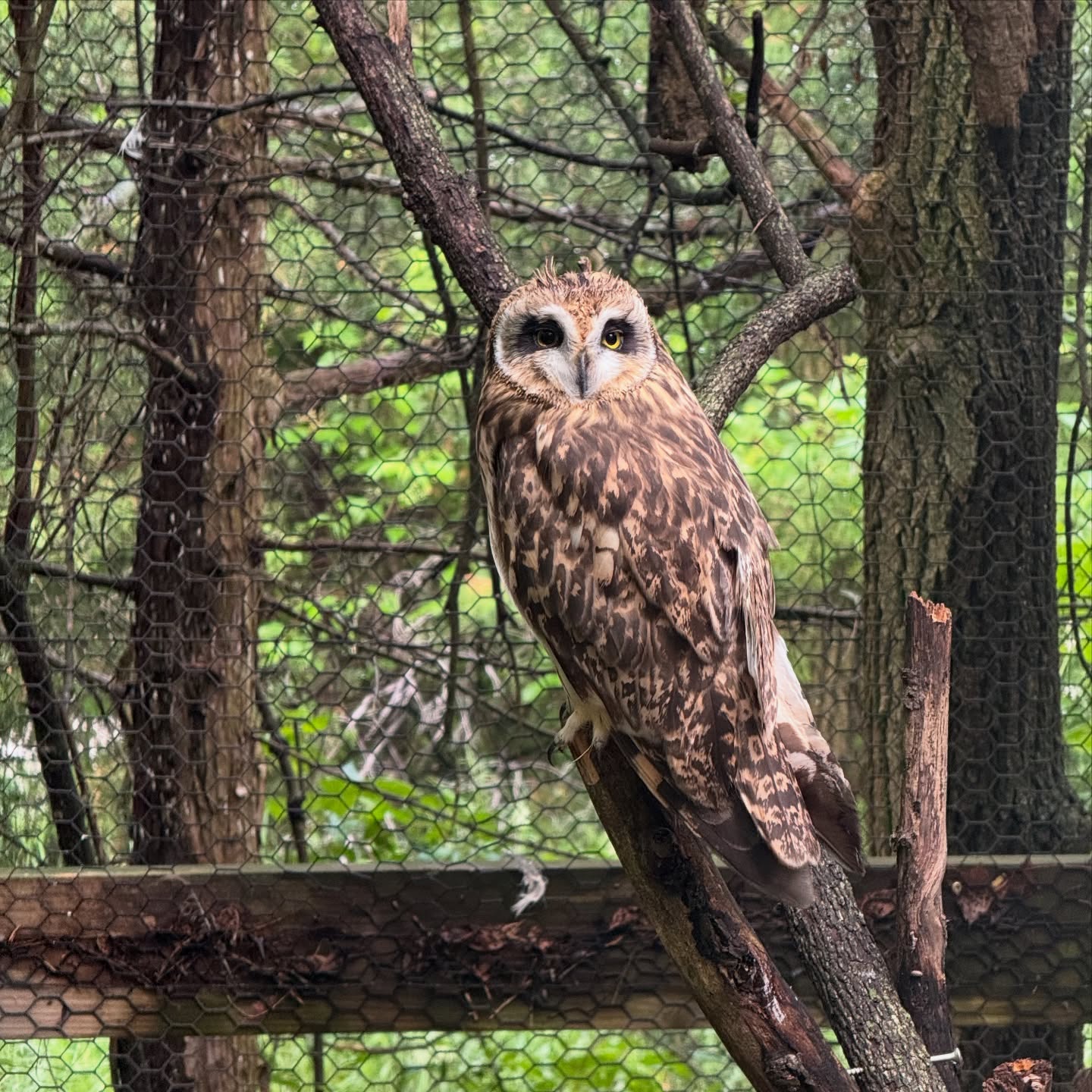
- The significance of connecting with nature for mental and physical health
- Wildlife conservation and its relationship with human interaction
- The role of zoos in promoting education and awareness of biodiversity
- Community involvement and its impact on environmental stewardship
- Sustainable practices in wildlife parks and their benefits
Connecting with nature has profound implications for individuals and communities alike. A growing body of scientific research reveals that spending time outdoors improves emotional well-being and physical health. Engaging with the natural world encourages mindfulness and reduces stress. Recent studies show that even short walks in green spaces can lead to a significant decline in cortisol levels, which is associated with stress. Nature walks also improve mood and increase feelings of happiness. Greater exposure to green spaces is tied to enhanced cognitive function and greater life satisfaction.
Mental health benefits stem from various phenomena associated with nature. The biophilia hypothesis posits that humans possess an inherent affinity for nature, a connection that is advantageous for personal development and emotional balance. Consequently, fostering interactions between people and natural environments becomes paramount. As wildlife parks and nature reserves encourage such encounters, they play a crucial role in facilitating this connection.
Wildlife conservation is intertwined with our interactions with nature. Conservation efforts are critical, as they ensure ecosystems remain intact, thus supporting biodiversity. When individuals connect with nature, they often feel a sense of responsibility toward preserving it. Wildlife parks not only protect endangered species but serve as living classrooms where conservation principles are taught. By raising awareness about endangered species and habitats, these facilities inspire individuals to become advocates for wildlife.
Zoos and wildlife parks play pivotal roles in educating the public about biodiversity. While they may have been viewed primarily as entertainment venues in the past, modern zoos have transformed into centers for conservation, research, and education. They house diverse animal species, many of which face extinction in their natural habitats. This focus allows visitors to learn about the animals and their ecosystems, fostering a deeper understanding of the interconnectedness of life. Educational programs often include interactive exhibits and animal encounters, encouraging curiosity and empathy toward wildlife.
Another vital aspect of wildlife parks is community involvement. Local communities can significantly contribute to conservation efforts through volunteer programs and citizen science initiatives. Engaging residents in activities such as wildlife monitoring, habitat restoration, and educational outreach enriches their sense of community and connection to the environment. These collective efforts can lead to a heightened awareness of local biodiversity and environmental challenges. Active participation fosters a sense of ownership, motivating individuals to make sustainable choices in their daily lives.
Sustainable practices in wildlife parks further enhance their conservation mission. Utilizing renewable energy, water conservation techniques, and responsible waste management contribute to minimizing the ecological footprint of these facilities. These efforts not only serve the goal of conservation but also provide visitors with models for sustainable living. By demonstrating eco-friendly practices, wildlife parks can encourage guests to adopt similar habits in their homes.
Integrating educational programs into these sustainable practices amplifies their impact. Workshops and demonstrations on recycling, composting, and wildlife protection can significantly influence visitors’ environmental behaviors. The hands-on experience enables participants to see firsthand how sustainable practices matter, making the information relatable and actionable.
Additionally, embracing eco-tourism within wildlife parks benefits both the environment and local economies. Eco-tourism prioritizes responsible travel that conserves the environment and improves the well-being of local communities. Visitors are not only encouraged to appreciate nature, but also to partake in conservation efforts. By supporting eco-tourism initiatives, wildlife parks can generate revenue for conservation projects while providing rich educational experiences for guests.
In summary, connecting with nature yields extensive mental and physical benefits. Wildlife conservation becomes a vital outcome of this connection, motivating communities to protect diverse ecosystems. Zoos and wildlife parks play critical roles as educational establishments, fostering awareness of biodiversity and the importance of conservation. Active involvement among community members enhances environmental stewardship, leading to sustainable practices that benefit both the ecosystem and society. By embracing these principles, wildlife parks become not only sanctuaries for animals but also vital centers for education and environmental advocacy.
*****
Source Description
Connect with nature!
https://www.wildlifesafaripark.com
