
- Cotton-top Tamarin Parenting: The Role of Fathers
- Physical Characteristics and Behavior of Cotton-top Tamarins
- Importance of Parental Involvement in Conservation Efforts
- Unique Adaptations of Cotton-top Tamarins
- How You Can Support Cotton-top Tamarin Conservation
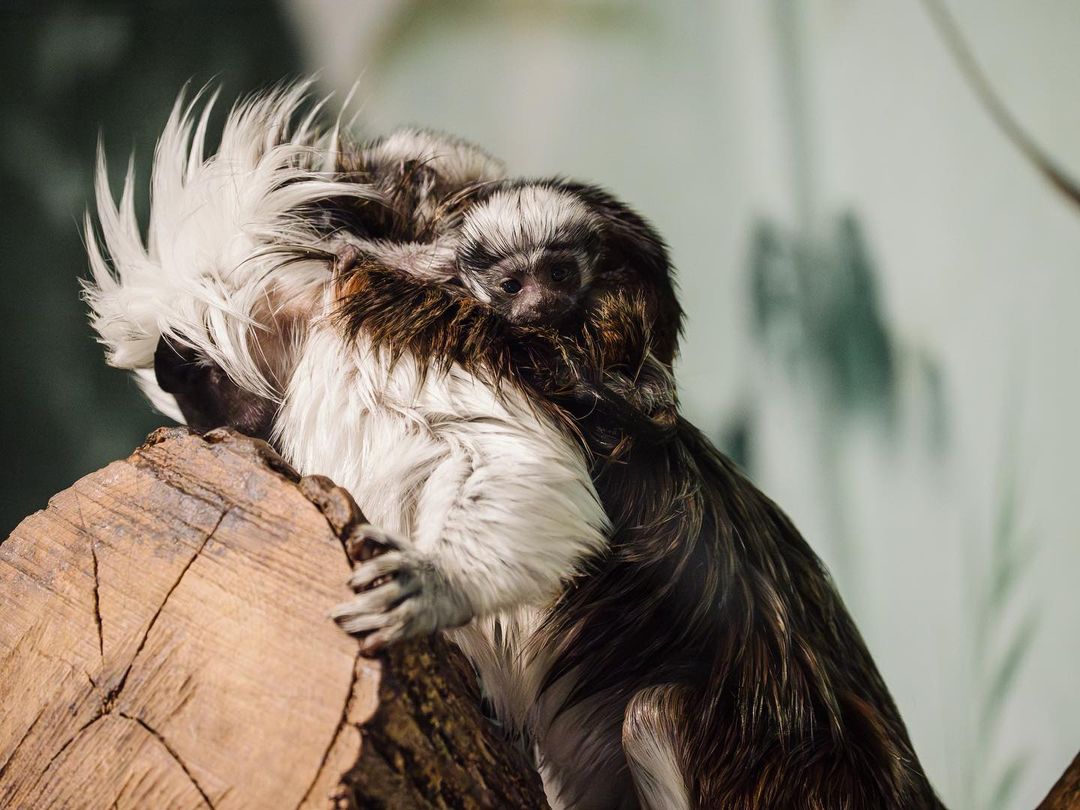
Cotton-top tamarins, small primates native to Colombia, present an extraordinary example of fatherhood in the animal kingdom. In a world where maternal care is often highlighted, these fascinating creatures challenge norms by showcasing the critical role fathers play in the upbringing of their young. The cotton-top tamarin father, or poppa, can be seen vigorously involved in caregiving, carrying infants for considerable periods. This dedication not only contributes to the survival of their offspring but also hints at a broader ecological narrative.
One distinctive aspect of cotton-top tamarin parenting is the weight gain experienced by male tamarins during the female’s pregnancy. This fascinating biological response prepares fathers for their role in infant care. Engaging in active physical nurturing, fathers can carry their infants for around 70 percent of the time, stepping in when mothers are occupied with nursing. This cooperative behavior exemplifies a division of labor, emphasizing how species can develop intricate systems of child-rearing.
Cotton-top tamarins exhibit a striking appearance characterized by soft, fluffy white fur atop their heads, giving them their name. This cotton-like crown is not just for show but may play a role in social interactions within groups. Their vast range of vocalizations helps establish social bonds and facilitate communication. These small primates weigh between 1.5 to 2.5 pounds, showcasing adorable size but powerful social structures. They are primarily arboreal and spend much of their time in trees, causing them to be both agile and adept at navigating their habitats.
Parental involvement extends beyond mere caregiving. Research indicates that infants who experience ample paternal attention develop better social and emotional skills. In cotton-top tamarins, supportive father figures contribute significantly to their offspring’s cognitive development. They teach survival skills and ensure that the young remain safe from potential threats. This engaged parenting style underscores the importance of cooperative breeding strategies within primate societies.
The ecological environment where cotton-top tamarins thrive heavily influences their behavior and adaptations. These primates are known to inhabit tropical rainforests, where they rely on a diet of fruits, flowers, insects, and small animals. Their sharp teeth and keen sense of smell allow them to find the best food in lush canopies. Social structures vary and typically feature family units, comprised of one dominant male and female, along with their offspring. Such family-oriented living promotes cooperation and social cohesion.
Fathers take on more than the responsibility of carrying infants; they also engage in various activities that promote family bonding. Grooming is a vital component of social relationships in primate societies, and cotton-top tamarins are no exception. Increased grooming behavior between fathers and their young helps foster bonds and allows the father to monitor health and well-being through physical contact.
Cotton-top tamarins are critically endangered, facing significant threats from habitat loss, deforestation, and illegal pet trade. Conservation efforts are urgently needed to protect these unique primates. Many organizations actively work to develop effective strategies for preserving their habitats and ensuring that conservation measures are integrated into local communities. Supporting local initiatives is crucial as it raises awareness about the importance of cotton-top tamarins and their habitats.
Public participation can significantly impact the conservation status of cotton-top tamarins. Eco-tourism, responsible wildlife observation, and educational programs help bring attention to the challenges these primates face. When communities engage with wildlife conservation, they not only contribute to the survival of these animals but also enrich their own lives and understanding of biodiversity.
Another vital area of focus is rehabilitation programs. These centers often care for orphaned or displaced cotton-top tamarins, providing them with the necessary skills for survival in the wild. Reintroduction programs have shown promise; however, they must be carefully managed to ensure that the animals are well-acquainted with their natural behaviors and social structures before stepping back into the wild.
The cotton-top tamarin is more than just a species under threat. It embodies valuable lessons about fatherhood, cooperation, and community within complex ecosystems. The unique role of tamarin fathers in nurturing their young offers insightful parallels to human experiences in parenting. As the world seeks to balance development and conservation, understanding the vital role these animals play becomes even more imperative.
In supporting cotton-top tamarin conservation, we are advocating for the future of our ecosystems. By studying their behaviors, we gain insights that extend beyond their species, informing broader conservation practices. The genetic diversity of cotton-top tamarins strengthens their populations against disease and environmental changes. Conservationists promote genetic health through breeding programs, which can also mitigate the dangers posed by inbreeding in isolated populations.
Understanding cotton-top tamarin populations involves both ecological and social dimensions. As their habitats face relentless pressures, it requires effective collaboration between governments, conservationists, and local communities to develop successful strategies. This collaboration can build resilient ecosystems that benefit not only cotton-top tamarins but also other inhabitants of their native habitats.
Ultimately, cotton-top tamarins symbolize the intricate tapestry of life within tropical ecosystems. Their charming appearance and engaging behaviors invite curiosity and foster a connection to biodiversity. Learning about successful parenting in these primates provides an opportunity to reflect on the importance of nurturing and community across species.
By investing time in cotton-top tamarin conservation, individuals and organizations can play an essential role in ensuring these tiny primates continue to thrive in their natural environments. Therefore, examining their parenting practices offers a broader understanding of the delicate balance between male and female roles in an ecological context, which can drive future conservation efforts.
Engagement, education, and action are the pillars upon which we can build a future for not just cotton-top tamarins, but for the countless species that share their fragile ecosystems. By celebrating the contributions of fathers in nature, especially those like the cotton-top tamarin poppa, we simultaneously honor the complexity and beauty of life on Earth.
*****
Source Description
The perfect for Father’s Day! Cotton-top tamarin poppa and baby! Did you know? Cotton-top tamarins are good fathers as they gain weight just like mom does during pregnancy, as he will carrying the infants for about 70 percent of the time! Of course only when they are not nursing from mom. 🙂
🥰📸: Kaela Elliott
