
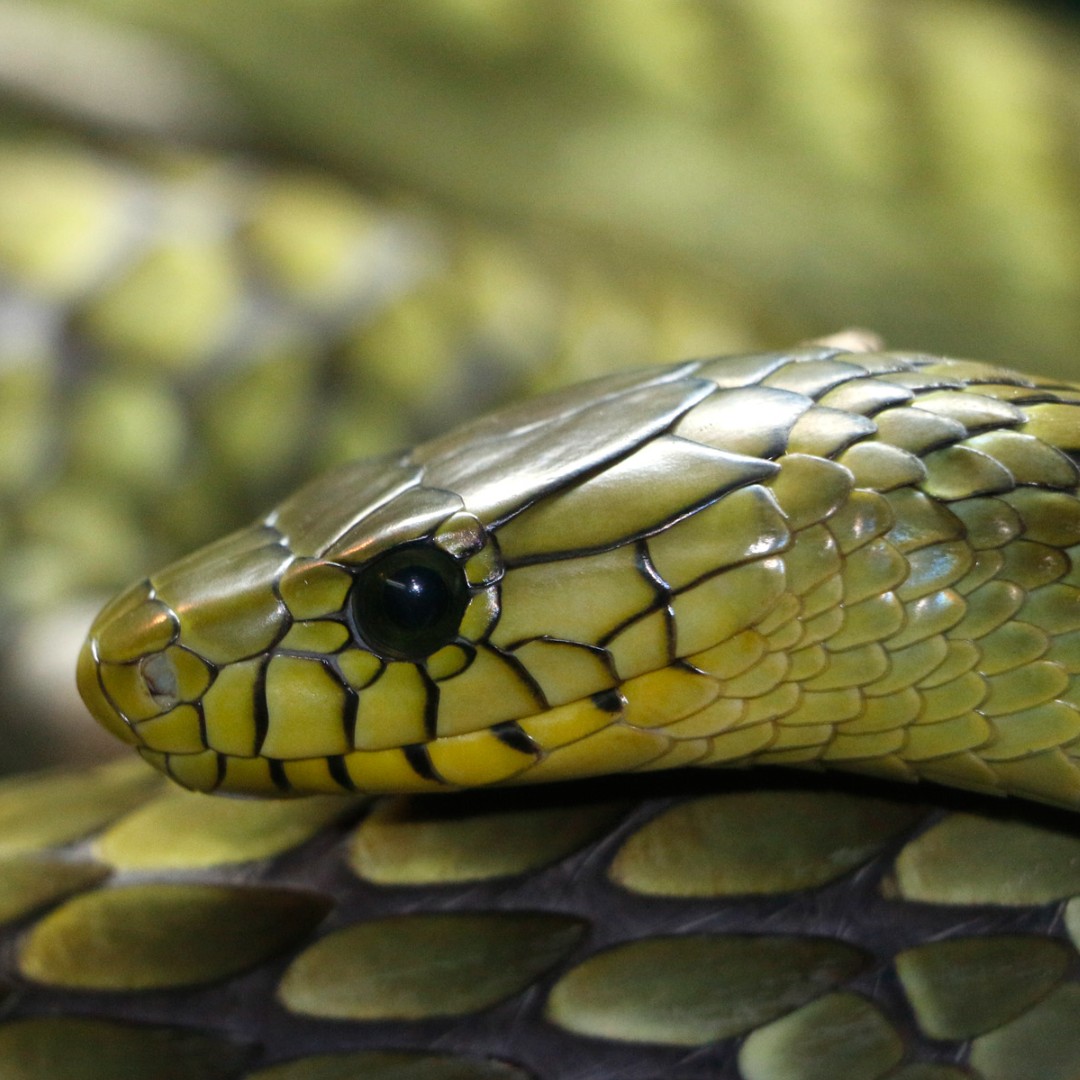
- The association of green with luck in various cultures
- The ecological significance of green spaces
- Strategies for incorporating greenery into daily life
- The role of zoos and wildlife conservation in promoting green initiatives
- The impact of plants on mental well-being and biodiversity
Adding a touch of green to your feed for extra luck is a concept steeped in cultural significance and ecological importance. The color green often symbolizes fertility, renewal, and growth. This connection to luck flows through many cultures worldwide; for example, in Irish folklore, a four-leaf clover is believed to bring good fortune. The unique shades of green found in nature provide both aesthetic pleasure and crucial benefits, making them a vital aspect of our environment.
Incorporating plants into our lives goes beyond aesthetics; green spaces play a vital role in ecological health. Urban areas, in particular, can benefit significantly from increased greenery. Plants improve air quality, regulate temperatures, and support biodiversity. Cities that prioritize green spaces generally showcase lower pollution levels and higher community well-being. Integrating plants into urban settings takes strategic planning, often emphasizing parks, gardens, and vertical greenery to maximize available space.
Adding greenery to your daily routine can take many forms. For individuals living in apartments with limited outdoor space, indoor plants serve as an excellent alternative. Houseplants like snake plants, pothos, and peace lilies not only beautify surroundings but are also known for their air-purifying properties. Strategies for enhancing indoor green spaces rely on understanding which plants thrive in various conditions, including light and humidity levels. Regular watering and careful arrangement can promote a sustainable green habitat.
Zoos and wildlife conservation organizations are increasingly embracing green initiatives. Many are launching programs to restore native habitats and implement sustainable practices. Zoos play a critical role in educating the public about wildlife conservation, connecting their missions to environmental stewardship. For instance, the introduction of native plant species in zoo landscapes can create habitats for local wildlife, demonstrating a commitment to biodiversity.
Mental well-being is another area where the addition of green can have significant benefits. Numerous studies suggest that spending time in nature can reduce stress and improve mood. Green spaces foster relaxation and provoke positive emotional responses. Even viewing images of green landscapes has been shown to have a calming effect. Incorporating green elements into workspaces or homes is an effective strategy for enhancing mental health.
Ultimately, adding a touch of green to your feed for extra luck is not simply about aesthetics; it encompasses cultural, ecological, and psychological dimensions. Enlivening our environments with greenery offers substantial benefits, promoting not just individual well-being but also caring for the planet. Making informed choices about plants and promoting environmental conservation can collectively lead to a more vibrant world, rich with both life and luck.
*****
Source Description
Adding a touch of green to your feed for extra luck! 🍀
