
- The significance of St. Patrick’s Day and its cultural ties to marine life
- An overview of dolphin species and their natural habitats
- The role of dolphin conservation in fostering ecological balance
- Educational initiatives at Dolphin Bay aimed at promoting wildlife awareness
- The importance of community involvement in conservation efforts
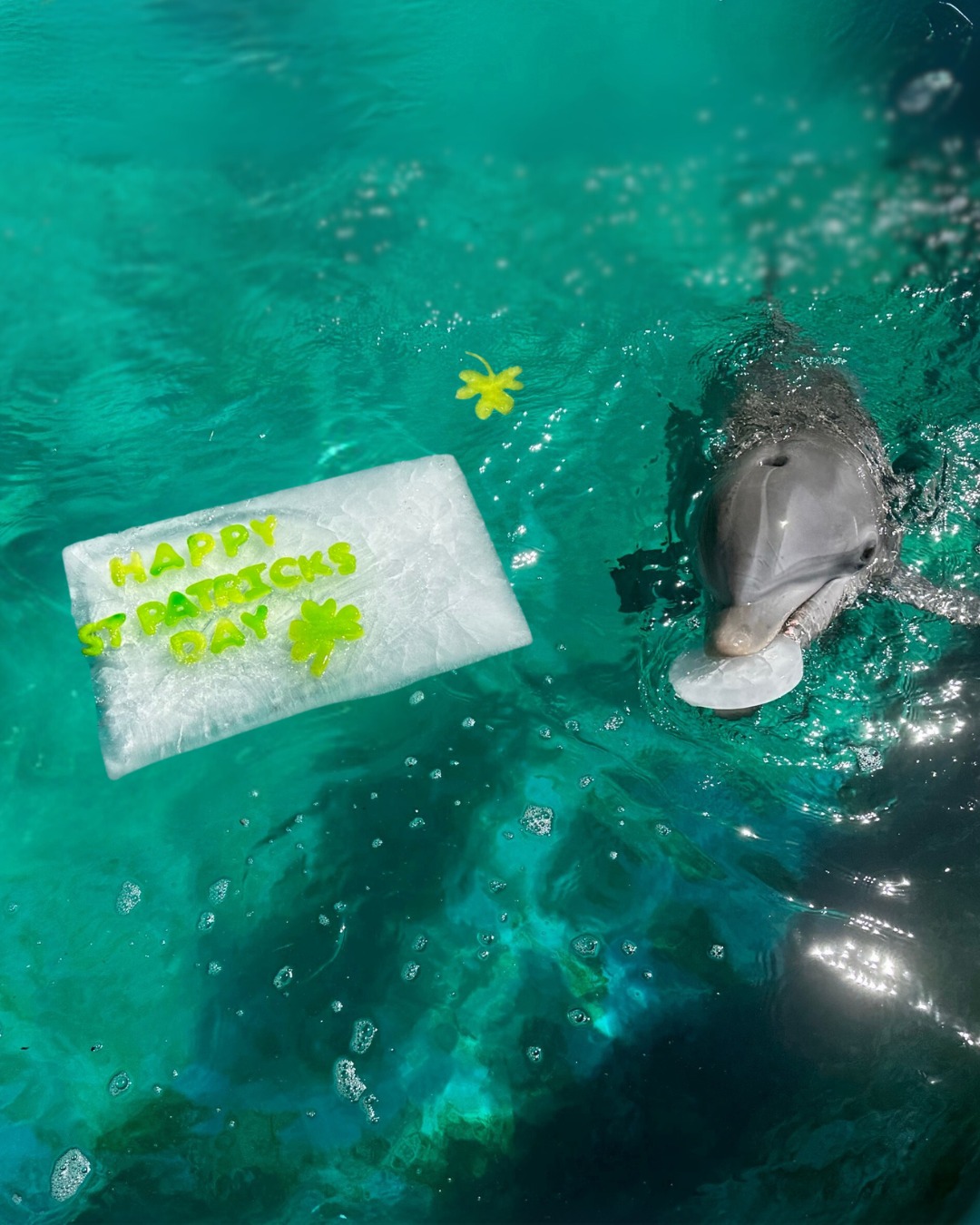
St. Patrick’s Day, celebrated on March 17, is known for its vibrant parades, rich traditions, and an unmistakable Irish flair. Other than the festivities associated with this day, we can also draw connections to marine life, particularly dolphins. In cultures worldwide, dolphins symbolize joy and friendship, embodying values that resonate with the spirit of St. Patrick’s Day. With that festive spirit in mind, Dolphin Bay wishes everyone a joyful St. Patrick’s Day, hoping the luck of the dolphins brings you happiness.
Dolphins belong to the cetacean family, known for their intelligence and social behavior. While this day often focuses on terrestrial traditions, marine habitats also play a vital role in our planet’s ecology. Understanding the interplay between land and water ecosystems enhances our appreciation of life in all its forms.
Dolphins come in various species, with the most recognized being the bottlenose dolphin. These creatures are known for their agility and playful demeanor. Bottlenose dolphins inhabit temperate and tropical oceans worldwide, thriving in shallow coastal areas and estuaries. Their adaptability allows them to navigate diverse environments, including bays and rivers.
In addition to bottlenose dolphins, the common dolphin and the orca, also known as the killer whale, are notable members of this family. The common dolphin is further divided into two primary species: the short-beaked common dolphin and the long-beaked common dolphin. Both are well-known for their streamlined bodies and remarkable agility. Orcas, while often considered part of the dolphin family, are the largest members of the dolphin family and display complex social structures.
Dolphins play a crucial role in maintaining marine ecosystems. As apex predators, they help regulate fish populations, which has a cascading effect on the entire marine food web. Their foraging patterns can also impact the distribution of marine species, contributing to overall biodiversity.
However, several factors threaten dolphin populations, making conservation efforts essential. Major threats include habitat destruction, pollution, and fishing practices that result in bycatch. The frequency of marine traffic in coastal areas adds another layer of challenge. Conservation groups worldwide advocate for the protection of marine habitats and the implementation of sustainable practices to preserve dolphin populations.
At Dolphin Bay, educational initiatives serve as a cornerstone in promoting wildlife awareness. Understanding dolphin biology and behavior forms the foundation of these programs. Informative sessions are often dedicated to explaining the anatomy of dolphins, highlighting their highly developed brains, and discussing intricacies like echolocation. During these interactions, visitors learn how dolphins communicate, navigate, and interact with their environment and one another.
Workshops often emphasize the critical roles dolphins play in their ecosystems. Attendees leave these sessions with insights into how dolphin behavior reflects the health of marine environments. Educating the public promotes a culture of respect for dolphins, fostering an interest in marine biology that engages future conservationists.
Furthermore, Dolphin Bay collaborates with local schools to integrate marine science into educational curricula. This initiative provides students with valuable hands-on experiences. Field trips and research opportunities allow young people to observe dolphin behavior firsthand. These learning experiences help cultivate a generation that appreciates marine life.
Community involvement is vital for the success of these conservation efforts. Local organizations often host beach clean-ups and fundraising events to support marine conservation projects. These events raise awareness while engaging the public in active participation. Volunteer programs at Dolphin Bay also offer individuals the chance to contribute directly to wildlife care and conservation.
Collaborating with environmental organizations enhances Dolphin Bay’s conservation work. These partnerships facilitate research projects that monitor dolphin health and behavior. Understanding the ecological needs of dolphins means recognizing how human activity affects their well-being.
Moreover, celebrations like St. Patrick’s Day can serve as platforms for promoting marine conservation. By linking cultural festivities to conservation efforts, a broader audience can be reached. Special events at Dolphin Bay often include themed programs that connect cultural traditions with marine life, allowing visitors to appreciate both.
The overarching theme of respect for nature is essential, especially during celebrations. As people gather to enjoy St. Patrick’s Day festivities, it’s an opportunity to reflect on how marine life is a part of our shared environment. The connection between culture and nature fosters a sense of stewardship that is critical in today’s world.
Marine biologists and conservationists continue to study dolphin populations to ensure their survival. Research provides insights on habitat use, social structures, and foraging habits. Understanding these aspects is crucial for implementing effective conservation measures.
In addition to research, advocacy for policy changes is also necessary. Conservationists work to influence legislation that protects marine habitats. Government support for initiatives aimed at reducing pollution and conserving marine environments is essential for the well-being of dolphins and their ecosystems.
Dolphin Bay is committed to promoting a comprehensive understanding of dolphin conservation. By focusing on education and community engagement, they help cultivate an informed public that values marine life. The link between St. Patrick’s Day and dolphin conservation may seem abstract, but both embody principles of joy, community, and respect for nature.
Dolphins symbolize optimism and playfulness, resonating with the spirit of St. Patrick’s Day. The advocacy for their protection aligns seamlessly with the traditions of the holiday, which emphasize good fortune and the interconnectedness of life. As you celebrate, consider the deeper connections between all living beings and the ecological tapestry that binds us.
As you enjoy the festivities on this St. Patrick’s Day, remember that the luck of the dolphins encompasses more than just joy and happiness. It also represents a call to action—a reminder that our choices impact marine ecosystems. Simple actions like minimizing plastic use, participating in clean-up efforts, and supporting conservation programs make a difference.
Dolphins thrive in a balanced ecosystem that requires our vigilance. By participating in dialogues about conservation and advocating for marine protection, we can ensure that future generations will continue to enjoy the beauty of these magnificent creatures.
As you celebrate, let the essence of St. Patrick’s Day inspire you to take steps towards a better understanding of nature and to reinforce your commitment to conservation. Celebrate not just the luck of the Irish but also the happiness that comes from protecting the incredible diversity of life in our oceans. This St. Patrick’s Day, may the joy and luck of the dolphins inspire you to weave compassion and action into your daily life.
*****
Source Description
🐬 ☘️ Happy St. Patrick’s Day from Dolphin Bay ☘️ 🐬 May the luck of the dolphins bring you joy and happiness!
