
- Understanding the Importance of Pollinators in Ecosystems
- Choosing the Right Plants for Pollinator Gardens
- Spotlight on Featured Plants: Hummingbird Mint and Sinningia
- Practical Tips for Creating a Pollinator-Friendly Garden
- The Benefits of Biodiversity and Pollinator Conservation
Creating a garden that attracts pollinators is not just an aesthetic choice; it is an ecological necessity. Pollinators, including bees, butterflies, hummingbirds, and other wildlife, play a crucial role in supporting plant reproduction. Without these creatures, many of the fruits, vegetables, and flowers we enjoy would not thrive. By embracing pollinator-friendly gardening practices, you contribute to biodiversity and help protect these essential species.
Pollinators are significant contributors to ecosystems, ensuring the continuity of plant species and the overall health of habitats. In the United States alone, approximately 75% of flowering plants require some form of pollination to reproduce. By inviting pollinators into your garden, you strengthen local ecology while enjoying the vibrancy and life they bring. This not only enhances your gardening experience but also aligns with larger conservation efforts.
When selecting plants for a pollinator garden, it is vital to consider native species. Native plants are well adapted to local soils, climates, and ecological conditions. They provide the best food sources and habitats for local pollinators. Specific flowering times, sizes, and scents attract different pollinators, making diversification crucial. A mix of colors, shapes, and scents not only adds visual appeal to your garden but also maximizes the range of pollinators attracted to it.
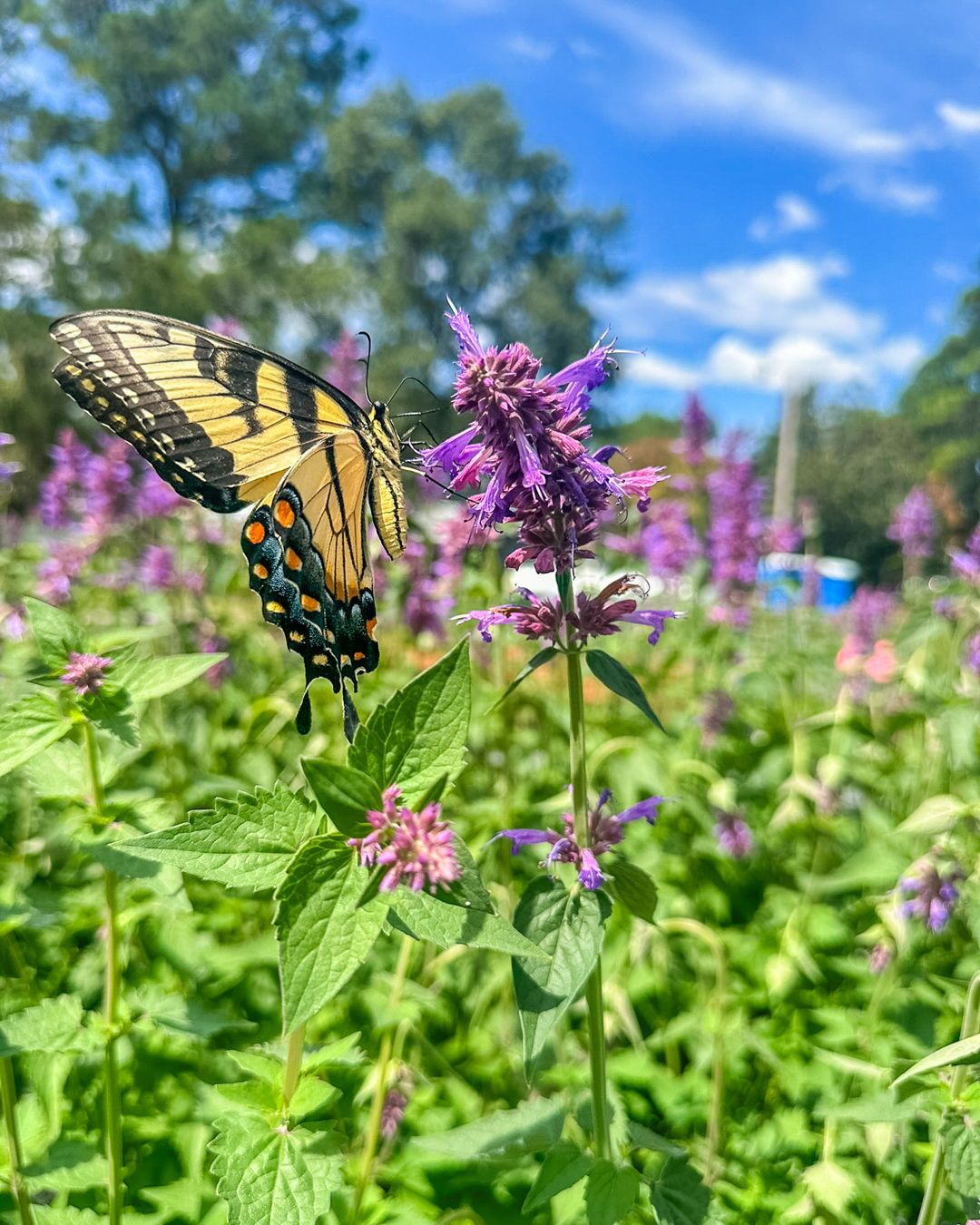
Two exemplary plants featured in our Fall Plant Sale are Hummingbird Mint (Agastache ‘Prince’s Plume’) and Sinningia ‘Arkansas Bells.’ Hummingbird Mint is known for its elegant lavender-violet flowers that bloom continuously from summer to frost. This plant is particularly effective at attracting a variety of pollinators, including bees and hummingbirds. Its fragrant foliage also adds another sensory layer to the garden, making the space inviting for all who visit.
Sinningia ‘Arkansas Bells’ is another excellent choice for your pollinator garden. With its stunning pink flowers that bloom during the spring and summer, it serves as a vital food source for hummingbirds. This perennial can thrive in various garden settings, adding a delightful pop of color. The presence of these plants can create a dynamic ecosystem in your outdoor space, encouraging a diverse range of wildlife.
Creating a welcoming environment for pollinators involves thoughtful planning and execution. Start by assessing the light and soil conditions in your garden. Most flowering plants require full sunlight for optimal growth, so ensure you select a spot that meets these needs. Additionally, soil quality can greatly affect plant health. Organic amendments can improve soil fertility and structure, benefiting both plants and the pollinators that visit them.
Water availability is essential for all garden life. Including a small water feature, like a shallow birdbath or shallow dish filled with stones and water, can support thirsty pollinators. Ensure that water sources are easily accessible while also being safe from predators.
Consider the garden design itself. Aim for clusters of the same type of flowering plant rather than scattering seeds or plants too broadly. Clustering makes it easier for pollinators to find food sources. Aim for a diverse array of plant heights and blooming times to ensure that there are flowers from early spring to late fall.
Furthermore, refrain from using pesticides whenever possible, as they can be harmful to both pollinators and other beneficial insects. Opt for integrated pest management techniques that focus on prevention and natural control measures rather than chemical interventions.
Biodiversity within a garden enhances ecosystem stability. A variety of plants creates niches for a range of pollinator species, which in turn contributes to overall health and resilience. By fostering a pollinator-friendly environment, you are not only beautifying your yard but also playing a role in the conservation of vital wildlife. Each plant selected provides support to its corresponding pollinator, creating interconnected relationships that are crucial for ecological balance.
Pollinator gardens also offer educational opportunities for families and communities. Engaging children in gardening activities can inspire interest in ecology, botany, and conservation. Observing pollinator behavior helps illustrate the importance of these species and can instill values that promote environmental stewardship.
In summary, adding pollinator love to your garden is a meaningful action for enhancing biodiversity and supporting local ecosystems. Our Fall Plant Sale offers an opportunity to acquire plants that are not only beautiful but also beneficial for various pollinators. Hummingbird Mint and Sinningia ‘Arkansas Bells’ are excellent choices that will attract hummingbirds and other essential wildlife to your yard. Mark your calendars for September 20, and join us in creating gardens that teem with life and color, where pollinators flourish and contribute to the sustainability of our environment.
*****
Source Description
Looking to add some pollinator love to your garden?
At our Fall Plant Sale, you’ll find:
Hummingbird Mint, Agastache ‘Prince’s Plume’
Fragrant and elegant lavender-violet flowers bloom from summer to frost, and attract ALL the pollinators.
Sinningia ‘Arkansas Bells’
This perennial has beautiful pink flowers that bloom spring and summer, and is a hummingbird attractor.
These plants are a simple way to add color and life to your yard. Come snag a few while they last!
Fall Plant Sale
Saturday, September 20 | 9:30 AM – 2:00 PM
