
- Weather-Resilient Activities at the Zoo
- The Role of Weather in Animal Behavior
- Conservation and Education Opportunities
- The Significance of Getting Close to Animals
- Engagement in All Seasons: Fostering Connections
Visiting a zoo can be an enriching experience for people of all ages, regardless of the weather. Rain, sun, or snow, the zoo offers countless activities that engage and educate visitors. Exploring the interactions between animals and their environments can enhance our understanding of wildlife. In this article, we will explore the various ways to enjoy the zoo, how different weather conditions can affect animal behavior, and the significance of conservation and education at these establishments.
Weather-Resilient Activities at the Zoo
Many zoos have thoughtfully curated activities that take place irrespective of weather conditions. This means that even on rainy days, visitors can enjoy a wealth of experiences. Indoor exhibits allow guests to observe animals like reptiles, birds, and small mammals without being affected by inclement weather. For example, aquariums feature a vibrant display of aquatic life in a controlled environment, providing an engaging experience regardless of weather conditions outside.
Outdoor activities also take on a new flavor when it rains. Animals may act differently in wet conditions, presenting a fascinating opportunity for observation. Birds, for instance, might take to their puddles, splashing about and enjoying the moisture that can amplify their vibrant colors. Observing this behavior can teach visitors about natural behaviors and adaptations in various species. It showcases how species respond to their surroundings and the significance of seasonal changes in the animal kingdom.
The Role of Weather in Animal Behavior
One of the striking aspects of visiting a zoo is witnessing how animals adapt to various weather conditions. Weather plays a critical role in determining the activity levels of many species. For example, many mammals are more active in cooler weather, while reptiles prefer the warmth of the sun. Weather conditions can influence feeding habits, mating patterns, and social interactions among different species.
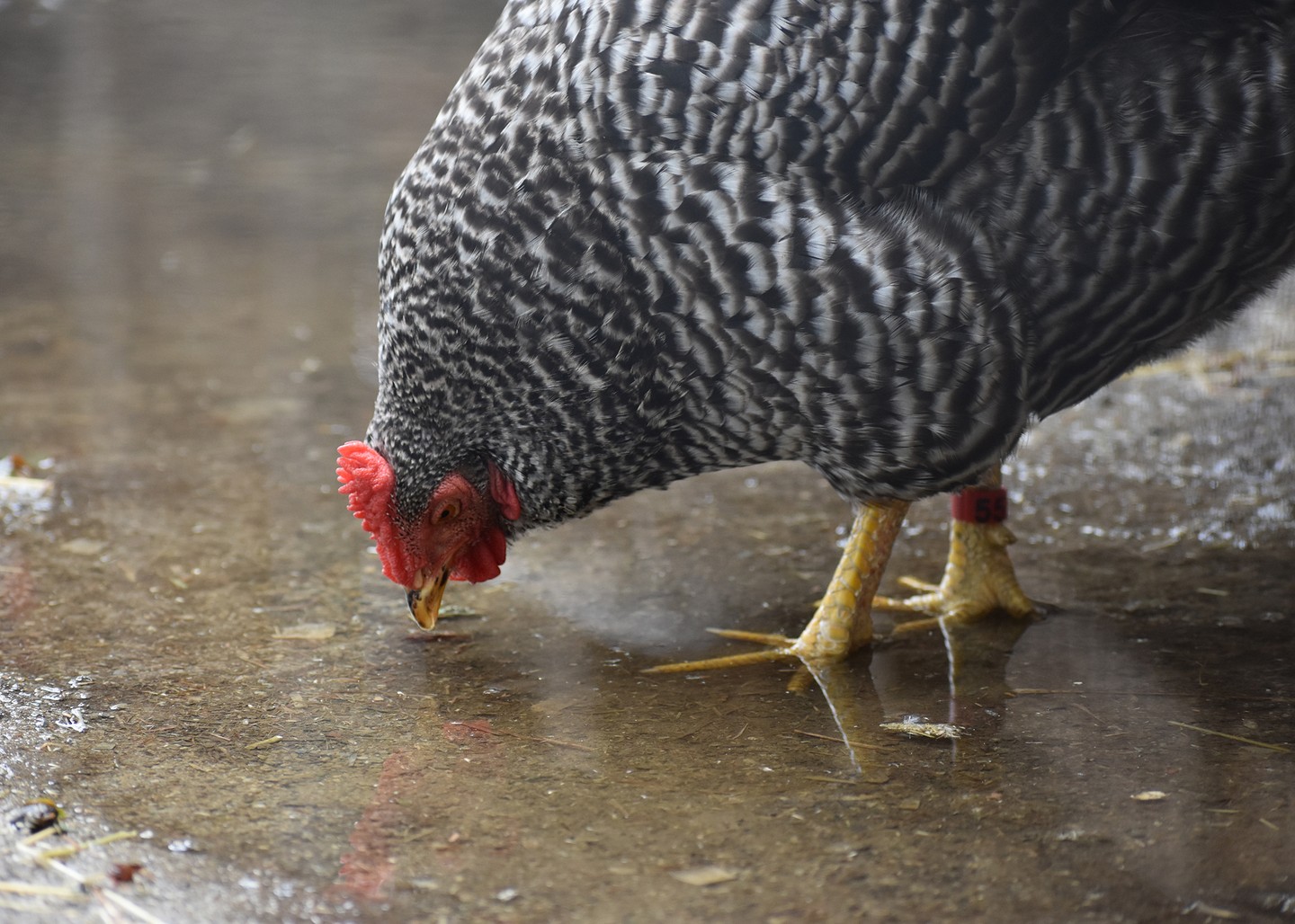
Rainy days often lead to increased activity for certain animals. For example, some avian species become more playful, engaging in water play that can be amusing for onlookers. Chickens, known for their curious nature, may jump and play in puddles. This behavior not only entertains visitors but also serves a practical purpose—allowing the birds to engage in grooming behaviors that keep their feathers clean and waterproof.
Weather also affects animal diets. During hot spells, animals may eat smaller amounts throughout the day to avoid overheating, while cooler temperatures can stimulate increased food intake in preparation for colder nights. Observing these behaviors can provide insights into animal biology and their unique adaptations.
Conservation and Education Opportunities
Zoos play a significant role in wildlife conservation efforts. Many zoos are involved in breeding programs for endangered species, ensuring that genetic diversity is maintained within populations. Through these programs, visitors get an opportunity to learn about the challenges faced by various species in the wild as well as the efforts being made to protect them. Educational programs may include talks by zookeepers about specific animals and their habitats, drawing attention to the importance of conservation in their native ecosystems.
Additionally, interactive exhibits often enrich the educational experience. Many zoos encourage hands-on learning through engagement with animal caretakers who share information about animal care and conservation initiatives. Rain or shine, visitors can attend presentations that break down the realities of wildlife conservation, including topics on habitat preservation and the impact of human activity on ecosystems.
Such educational experiences are enhanced during weather changes. For instance, observing a polar bear during snow or rain can lead to discussions about their natural habitats and the ecological pressures they face in the wild. Understanding how weather influences wildlife can inspire visitors to develop a greater appreciation for environmental stewardship.
The Significance of Getting Close to Animals
An important aspect of visiting a zoo is the chance to observe animals up close. With many zoos offering behind-the-scenes tours, visitors can see firsthand how animals are cared for. Engaging experiences such as feeding sessions or animal encounters provide a unique perspective that can create lasting memories and foster a deeper connection to wildlife.
Weather can accentuate these experiences. During sunny days, certain species, such as elephants, may be more active, allowing for engaging viewing opportunities. However, on rainy or cooler days, many animals may seek shelter, offering guests a chance to observe their behaviors in the atypical settings like indoor enclosures.
Zoo staff often take advantage of weather conditions to connect visitors with animals. For instance, while showing off some fascinating reptiles in a climate-controlled area, keepers can utilize the moment to educate guests about how weather affects their natural habitats and behaviors. This can be particularly impactful for young visitors, shaping their understanding of animals and conservation.
Engagement in All Seasons: Fostering Connections
Part of the joy of visiting a zoo lies in the diverse experiences available throughout the year. Seasonal changes can offer unique perspectives on animal behavior. Spring often marks the arrival of new animal births, while the summer may feature vibrant animal activity at play. Fall brings a change in foliage that can affect animal habitats, and winter presents an excellent opportunity to observe how various species cope with cold climates.
Different seasons can also lead to special events at the zoo. Educational programs may be tailored to specific seasonal themes, like the importance of migration during spring or conservation efforts during Earth Day in April. Such events can guide visitors of all ages to think critically about their role in protecting wildlife and foster a sense of community around shared values.
Rainy days can spark innovative programming as well. Zoos may incorporate weather into activities, such as creating games that highlight animal adaptations to wet conditions or themes around aquatic habitat conservation. These dynamic approaches keep engaging visitors and infuse excitement into the learning process.
The influence of weather on zoo visits can extend beyond immediate observations. Encouraging families to interact with animals, enjoy rainy day activities, or discuss conservation efforts fosters long-term connections to wildlife. The educational aspect of these connections can lead to lifelong commitments to protecting our natural world.
When it rains or shines, the zoo remains a vibrant hub of interaction and learning. Each visit presents the opportunity to step closer to animals while understanding the complexities of their existences. As visitors engage with various weather phenomena, they become more aware of the vital roles animals play in our ecosystems, both in captivity and in the wild.
In every weather condition, the zoo offers a setting ripe for discovery, knowledge, and a chance to inspire a new generation of conservationists. By embracing what each season, and each passing weather pattern brings, we can create richer experiences—learning about the wonderful world of wildlife and our obligations to preserve it. Whether it’s watching a chicken play in a puddle or noticing how lions adapt to different climates, the joy of discovering and connecting with nature endures through the weather, reminding us of the ever-present beauty in the animal kingdom.
*****
Source Description
No matter the weather ☔️, you can find fun at the Zoo. Ever watch a chicken splash around in a puddle?
