
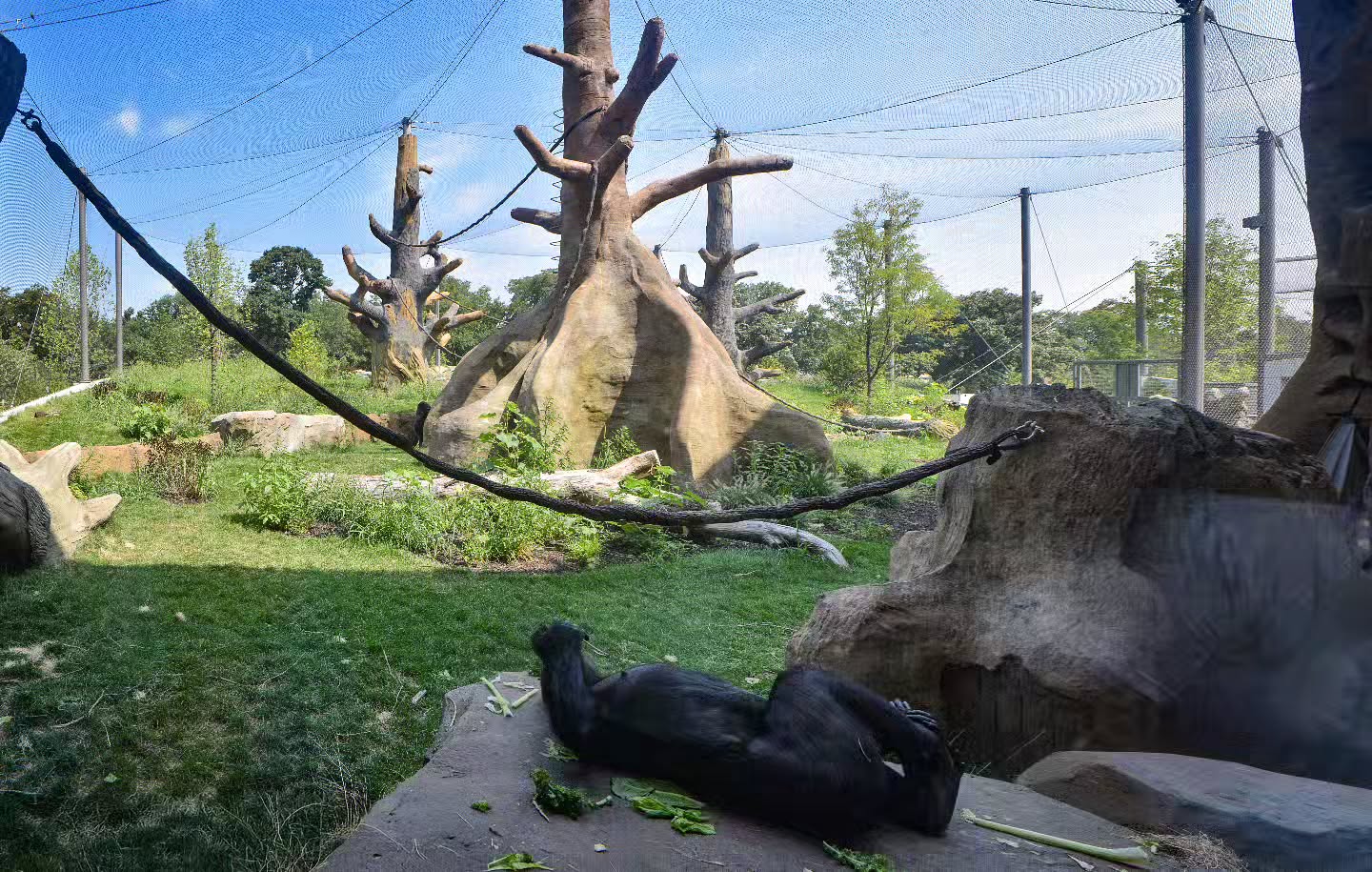
- The ecological design of the Gorilla habitat in the Brookfield Zoo’s Tropical Forests
- The behavioral and social structure of gorillas in human care
- The role of gorillas in conservation and wildlife preservation
- The educational programs and visitor engagement strategies at Brookfield Zoo
- Challenges faced in gorilla husbandry and management
The ecological design of the Gorilla habitat in the Brookfield Zoo’s Tropical Forests reflects a thoughtful integration of environmental factors that cater to the well-being of these animals. The habitat incorporates elements such as lush vegetation, water features, and varied terrain to replicate aspects of the gorillas’ native environments. This design is crucial; it allows gorillas to engage in natural behaviors like climbing, foraging, and socializing. The habitat includes a mix of climbing structures, shaded areas, and spots for privacy—important factors that facilitate a healthy, stimulating living environment.
Water elements, such as streams or ponds, are beneficial not only to the gorillas but also contribute to the overall ecosystem of the habitat. These features serve practical functions, such as hydration and cooling, while also creating an environment rich in biodiversity. Animals like fish, birds, and insects are attracted to water features, which enhances the ecological interaction in the habitat, providing a more immersive experience for both the gorillas and zoo visitors.
The behavioral and social structure of gorillas is another vital consideration in shaping their habitat. Gorillas are known for their complex social dynamics, often living in groups called troops. A typical troop consists of one dominant male, several females, and their young. In the controlled environment of a zoo, understanding this social structure is key to promoting healthy interactions. Space in the habitat is arranged to allow for both socializing and solitude, meeting the social needs of the gorillas. This is crucial for their psychological health, as overcrowding or lack of social interactions can lead to stress and behavioral problems.
Additionally, keepers are trained to observe and interpret gorilla behavior closely. This observation informs them about the animals’ preferences and social hierarchies, aiding in effective management of the group. Enrichment activities are crafted to stimulate natural behaviors such as foraging and problem-solving, thus promoting physical activity and mental engagement. Activities may include hiding food or providing toys to encourage exploration and interaction among the gorillas.
The role of gorillas in conservation and wildlife preservation cannot be overstated. As critically endangered species, gorillas serve as flagship species for conservation efforts. Their decline is often linked to habitat loss, poaching, and diseases, making them essential indicators of environmental health. The Brookfield Zoo actively participates in programs aimed at gorilla conservation, partnering with international organizations to support in-situ and ex-situ conservation initiatives. These efforts include habitat protection, anti-poaching regulations, and research to better understand gorilla populations in the wild.
Educating visitors about the plight of gorillas is paramount. Interactive exhibits and informative signage highlight the ecological significance of gorillas and the challenges they face. By informing the public, the zoo fosters a sense of responsibility and encourages conservation actions, such as supporting sustainable practices and contributing to wildlife organizations.
Educational programs and visitor engagement strategies at Brookfield Zoo further foster a connection between the audience and these magnificent creatures. The zoo offers a range of programs aimed at various age groups, from school field trips to summer camps. These programs are crafted to deepen understanding of gorilla biology, behavior, and the ecosystems they inhabit. Hands-on experiences, where children can observe animals closely and participate in discussions with zookeepers, enhance this learning experience.
In addition to structured programs, the zoo utilizes technology to engage visitors in new ways. Interactive kiosks and mobile applications provide a platform for visitors to learn more about gorillas, their natural habits, and conservation efforts. Virtual reality experiences or live feeds can immerse the audience in the gorillas’ habitat, making the educational journey more engaging and impactful. Such integrations are designed to captivate the interest of visitors, sparking a desire for further knowledge and action.
Challenges faced in gorilla husbandry and management require careful consideration and ongoing research. Maintaining the physical and mental health of gorillas is the highest priority, necessitating a well-designed management plan. Zoos must also address potential issues related to genetic diversity, ensuring a sustainable breeding program. Collaboration with other institutions is essential to develop a robust genetic management strategy that enhances the global population of gorillas while minimizing inbreeding.
Veterinary care in a zoo setting presents another layer of complexity. Routine health checkups, vaccinations, and treatments must be expertly administered while minimizing stress for the gorillas. This may involve specialized training for both the animals and their keepers. Keeping the gorillas healthy is interconnected with providing a naturalistic habitat that encourages movement and activity.
Additionally, the dynamic nature of zoo management means that staff must remain vigilant about changes in gorilla behavior or health. These observations feed into a larger database that informs care protocols and welfare assessments. This data-driven approach is critical in adapting care methods to ensure that the gorillas thrive in captivity.
Finally, enhancing community engagement in conservation efforts is essential for the long-term survival of gorillas. The Brookfield Zoo plays a pivotal role in connecting people with nature. Collaborating with local schools, environmental organizations, and community groups can amplify conservation messages while reinforcing the importance of protecting threatened species.
The Brookfield Zoo’s new Tropical Forests, inclusive of its gorilla habitats, represents a focal point for education and conservation. Through careful design, understanding of gorilla behavior, engaging educational programs, and addressing challenges in management, the zoo not only promotes the well-being of these remarkable primates but also seeks to inspire a generation of conservationists. By fostering a deeper understanding of gorillas and their environment, Brookfield Zoo stands at the forefront of wildlife conservation, ensuring that these incredible creatures have a future.
*****
Source Description
One of two Gorilla habitats at the Brookfield Zoo’s BRAND NEW Tropical Forests
