
- The importance of engaging children in science education
- How hands-on activities can enhance learning
- The role of zoos in wildlife conservation
- Strategies for integrating scientific concepts into everyday life
- The impact of public awareness on conservation efforts
Simply having a wonderful science time serves as a platform designed to ignite a passion for science among children. This initiative highlights the importance of fostering interest in scientific disciplines from an early age, especially in zoology and wildlife conservation. Engaging children with interactive and enjoyable activities is essential for developing lifelong learners.
The importance of engaging children in science education cannot be overstated. Early exposure to scientific concepts not only enhances their understanding but also nurtures curiosity. This curiosity is vital as it lays the groundwork for future discoveries and innovations. Young learners who engage with science are better equipped to tackle complex issues facing our planet. As they explore zoology, they develop a profound respect for wildlife and their habitats, understanding the interconnectivity of life on Earth.
Incorporating hands-on activities into science education can have a significant impact on comprehension and retention. Activities can take many forms, such as experiments, field trips, or interactive exhibits at zoos. These practical experiences allow children to observe scientific principles in action. For instance, when studying animal behavior, a trip to a local zoo offers firsthand insight into how animals interact with their environments and each other. Understanding animal adaptations, habitats, and behaviors becomes more tangible when children can connect theory with real-life examples.
The role of zoos extends beyond entertainment; they serve as critical players in wildlife conservation. Modern zoos are increasingly focusing on species preservation, habitat restoration, and environmental education. Many species are endangered due to habitat loss, poaching, and climate change. Zoos often participate in breeding programs and provide resources to help restore natural habitats. Educational programs at zoos educate visitors about conservation efforts, teaching the importance of protecting biodiversity for future generations.
Integrating scientific concepts into everyday life can also enhance learning. Parents and educators can encourage children to ask questions and seek answers through observation and experimentation. Simple activities, like creating a butterfly garden or monitoring local wildlife, can illustrate core scientific principles. These activities promote critical thinking and help children learn to formulate hypotheses based on their observations.
Public awareness plays a significant role in conservation efforts. Education initiatives that target communities can lead to a more informed populace willing to participate in conservation activities. Knowledge is empowering; when people understand the challenges faced by wildlife and ecosystems, they are more likely to engage in meaningful change. Effective conservation campaigns employ social media, interactive workshops, and educational resources to reach a broader audience. Raising awareness creates advocates for wildlife, fostering a community of individuals dedicated to protecting endangered species and their habitats.
Animal husbandry, too, forms a vital aspect of zoo management and wildlife conservation. Professionals working in these spaces must have a solid understanding of various species’ needs, behaviors, and environmental requirements. This knowledge informs strategies for animal care, including diet, habitat enrichment, and veterinary care. Effective animal management not only maintains the health and well-being of zoo animals but also serves as a model for conservation practices in natural settings.
Educational institutions and zoos can collaborate to develop programs that promote both science education and wildlife conservation. Field trips to zoos can provide students with opportunities to learn directly from conservationists and zookeepers. Workshops, lectures, and interactive displays can deepen students’ understanding of zoology and the importance of biodiversity. These partnerships often result in tailored programs that meet specific curriculum requirements while also nurturing students’ interest in the sciences.
Science communication is crucial in spreading awareness about conservation issues and inspiring the next generation. Engaging content, whether through social media, written articles, or interactive media, can capture the imagination of young learners. Clear, compelling narratives can convey complex information in an accessible manner. This approach allows children to grasp the significance of biodiversity and conservation efforts while fostering a sense of responsibility toward the planet.
Conservation action often begins at the local level. Community initiatives, such as tree planting or local clean-up events, can foster a sense of connection to the environment. These activities provide individuals with a direct way to contribute to their communities’ ecological health. By emphasizing local efforts, it becomes easier to extend awareness and action to global issues.
Finally, the future of wildlife conservation heavily relies on young voices. Children who are actively engaged now are more likely to become advocates for change later in life. Their fresh perspectives and innovative ideas can reshape the landscape of conservation work. Educators and conservationists should empower these future leaders through mentorship and inclusive programs.
Simply having a wonderful science time encapsulates the essence of nurturing scientific curiosity and fostering a commitment to conservation. This initiative acts as a catalyst for greater engagement within communities and encourages active participation in ecological stewardship. By embedding scientific learning in enjoyable formats, educators can inspire children to explore their worlds, ask questions, and develop a passion for research.
As society faces unprecedented challenges, such as climate change and biodiversity loss, the need for engaged, informed advocates is more critical than ever. Through education and hands-on experiences, we can cultivate a new generation of scientists and conservationists who will lead the charge in preserving our natural heritage.
The broader implications of engaging children in science extend beyond individual growth; they contribute to collective well-being. A scientifically literate populace can engage in informed discussions about environmental policies and make conscious decisions that positively impact their communities. Through initiatives like simply having a wonderful science time, we can create pathways for children to contribute actively to conservation efforts and scientific advancement.
Overall, promoting scientific literacy and advocacy for wildlife conservation is a critical responsibility that falls on educators, conservationists, and society as a whole. By combining enjoyment with education, we empower young minds to tackle the pressing issues of our time. To ensure a sustainable future, investing in the next generation’s scientific passions is not just advisable; it’s essential. Whether through school initiatives, community efforts, or partnerships with zoos, the possibilities for enriching children’s understanding of science and conservation are boundless.
*****
Source Description
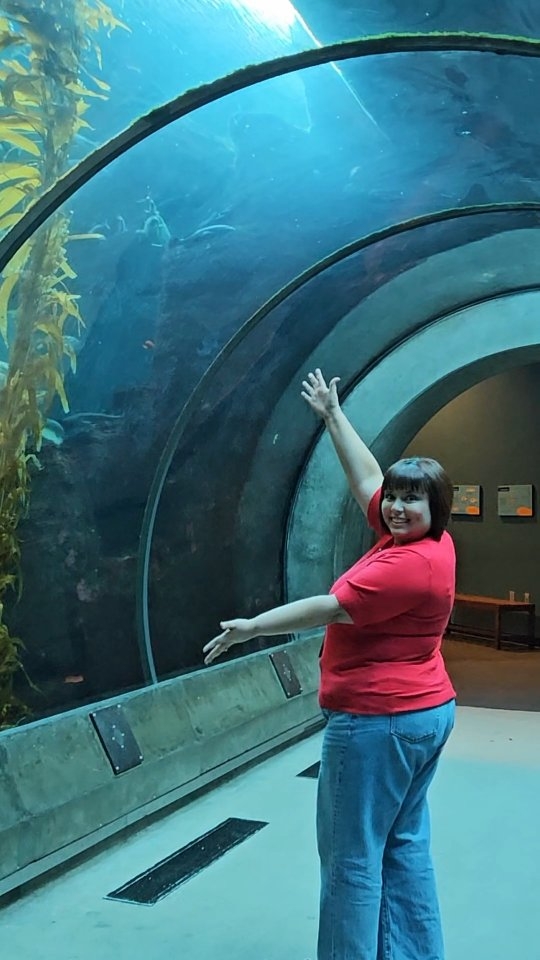
Simply having a wonderful science time ⚛️
