
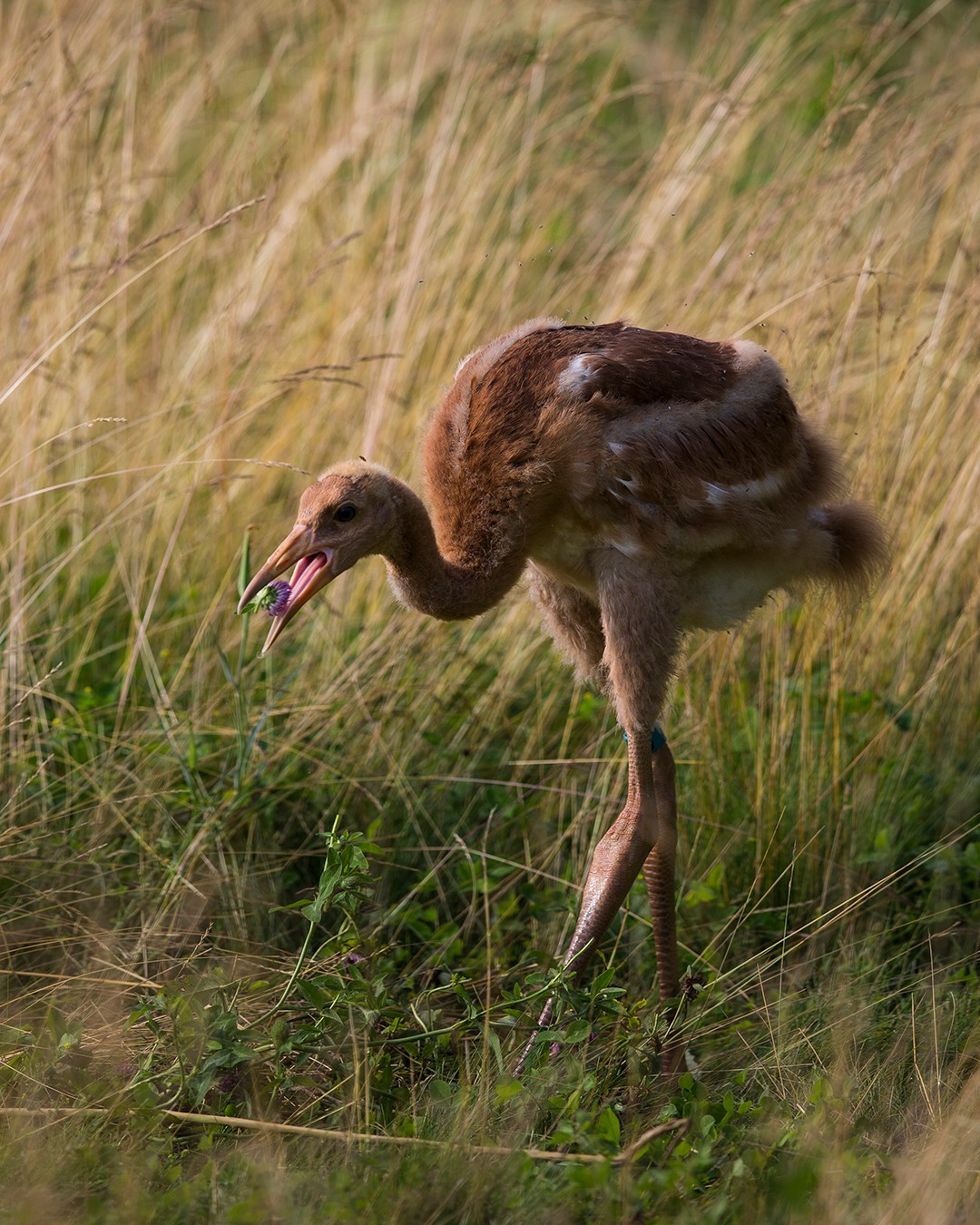
- Understanding the primary factors affecting chick survival in reintroduced Whooping Crane populations.
- The critical role of habitat quality in influencing the survival rates of chicks.
- The impact of predation and human interaction on chick survival.
- Research insights from monitoring Whooping Crane chicks between 2006 and 2023 in Wisconsin.
- Future strategies for increasing chick survival rates in conservation efforts.
The reintroduction of Whooping Cranes into their native habitats presents both challenges and opportunities for conservation efforts. A key aspect of this initiative is chick survival. It is essential to grasp the factors that influence the survival of these young cranes in the wild. The Whooping Crane is the rarest crane species globally, and understanding chick survival can directly contribute to the growth and sustainability of their populations.
Research shows that various elements affect chick survival. These include environmental conditions, food availability, and the presence of predators. Each factor can significantly impact the likelihood that a chick will survive to adulthood. By identifying these factors, wildlife managers can better implement strategies aimed at increasing survival rates.
Habitat quality plays a pivotal role in determining the success of reintroduced Whooping Crane populations. Cranes require specific wetland ecosystems that provide food sources and nesting sites. When suitable habitats are disrupted or degraded, the chances of chick survival diminish. Continued habitat restoration, enhancement, and protection are vital to ensuring these wetlands remain suitable for Whooping Cranes.
Predation is another significant threat to chicks. Newly hatched Whooping Crane chicks are particularly vulnerable to predators such as foxes, raccoons, and coyotes. The presence of these predators must be assessed regularly to understand their impact on chick survival. Mitigating predation through careful management of surrounding environments and the distribution of potential nesting sites can lead to higher survival rates.
Human interaction also plays a critical role in chick survival. Disturbances caused by human activities can disrupt nesting and rearing behaviors, leading to increased stress for parent cranes. Public education and awareness campaigns can help minimize human impact on crane populations. This proactive approach can foster a coexistence that benefits both wildlife and local communities.
A recent study monitored Whooping Crane chicks hatched between 2006 and 2023 in Wisconsin, yielding valuable insights into factors that influence their survival. By tracking and observing these chicks, researchers collected data on their growth patterns, survival rates, and interactions with the environment. This research serves as a crucial resource for developing effective management strategies.
In Wisconsin, conditions for the Whooping Cranes were notably favorable, benefiting from diverse wetlands and protective measures. However, ongoing risk assessments are essential to adapting conservation strategies to local conditions. Increasing habitats and reducing human disturbances are effective strategies derived from this study.
Food availability is another element that intricately links to chick survival. For Whooping Crane chicks, access to a nutritious diet is crucial during their early development stages. The availability of food resources varies based on habitat conditions and seasonal changes. Maintaining healthy ecosystems that support ample food sources is vital for chick growth and survival.
Another promising area for improving chick survival is enhancing breeding success. This effort involves understanding the breeding ecology of Whooping Cranes. By prioritizing genetic diversity in reintroduced populations, we can position these cranes for greater adaptability and resilience against environmental stresses.
Efforts to increase chick survival must also involve collaborative strategies among conservation scientists, wildlife officials, and the general public. A comprehensive approach will bring diverse expertise to the forefront, facilitating the implementation of informed strategies guided by research data.
To summarize, focusing on critical factors affecting chick survival will directly influence the overall population growth of the Whooping Crane. Continued studies and research efforts contribute to identifying effective conservation practices. Awareness of habitat quality, predation risks, and the consequences of human interaction must guide management decisions.
Overall, increasing chick survival rates will require a multi-faceted strategy embracing research, public education, and habitat restoration efforts. By nurturing these young cranes, we can work towards stabilizing and ultimately expanding the reintroduced populations of Whooping Cranes, thus contributing to avian biodiversity and the health of our ecosystems.
*****
Source Description
How can we ensure that more chicks in the reintroduced Whooping Crane populations survive to adulthood? First, we need to better understand what factors influence chick survival in the wild. Our team recently led a study to do just that, monitoring chicks hatched between 2006 and 2023 throughout Wisconsin.
The results of this study will inform future management strategies aimed at increasing chick survival and, ultimately, supporting population growth of the world’s rarest crane. Follow our profile link to learn what helps chicks survive ➡️
📷 Whooping Crane chick by @tomlynnphotography
