
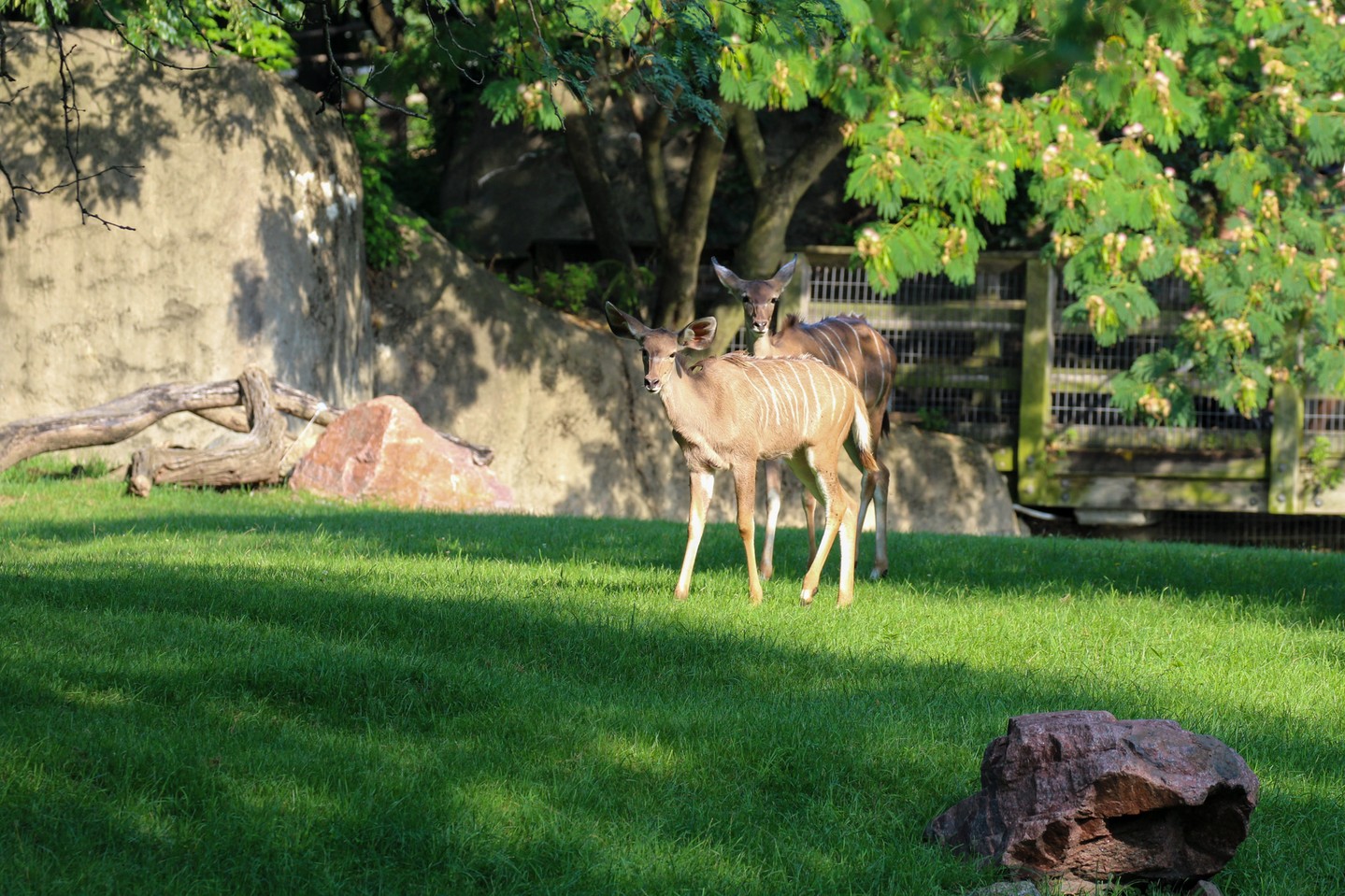
- The physical characteristics and behavior of the Greater Kudu
- The ecological role and habitat of the Greater Kudu
- The impact of conservation efforts on Greater Kudu populations
- Visitor engagement and education at zoos, focusing on the Indianapolis Zoo
- The role of animals like the Greater Kudu in biodiversity
The Greater Kudu (Tragelaphus strepsiceros) is a striking antelope species known for its considerable size, elegant spiraled horns, and distinctive white stripes running down its body. This antelope typically inhabits the dry savannas and woodlands of eastern and southern Africa. Their impressive stature and robust physique allow for graceful movement among the dense foliage of their habitat. Males can stand up to 4.5 feet tall at the shoulder, with elongated legs that facilitate agility and endurance. Females are generally smaller, lacking the iconic horns, but are equally charming with their own unique beauty.
One of the most captivating aspects of the Greater Kudu is its coloration. The coat is a light brown to grey, adorned with vertical white stripes that vary in number and intensity across individuals. An interesting activity for visitors at the Indianapolis Zoo is to engage in a friendly competition: count the stripes on each Kudu and challenge others to find out who has the most. This not only entertains but also fosters an appreciation for each animal’s individuality.
Behaviorally, Greater Kudus are generally shy and elusive. They prefer to remain near thickets, where they can blend into their surroundings. This camouflage is essential as it helps them evade predators, which include lions and leopards. Greater Kudus are crepuscular, meaning they are most active during early morning and late afternoon. During these times, they forage for leaves, fruits, and shoots, embracing a browsing diet that aligns with their role as herbivores within their ecosystem.
The ecological role of the Greater Kudu extends beyond being a prey species. As herbivores, they play a crucial part in shaping the vegetation of their habitats. Their feeding habits stimulate new growth in browsing plants and help maintain a balanced ecosystem. By selectively consuming certain plant species, they can influence plant community dynamics, promoting biodiversity. This ecological function is significant for maintaining the health of savannah and woodland habitats.
Greater Kudus thrive in woodlands and bushland areas where they can access adequate cover and food sources. They prefer regions with dense foliage that also provide sufficient open space for grazing and moving. Unfortunately, habitat loss due to agriculture and urban development poses a threat to their populations. In many areas, these magnificent animals have seen their territory shrink, leading to fragmented populations and reduced genetic diversity.
Efforts in wildlife conservation have significantly impacted Greater Kudu populations. Protected areas and wildlife reserves have been established across their range to safeguard these animals from poaching and habitat destruction. In South Africa, for example, vast conservation initiatives have been put in place, allowing populations to stabilize and flourish. Tourism also plays a pivotal role in raising awareness and generating funds for conservation efforts, thereby creating a pressing need for community involvement.
At institutions like the Indianapolis Zoo, educational programs highlight the importance of species like the Greater Kudu in biodiversity. Through exhibitions and interactive learning experiences, zoos aim to educate the public not only about the physical attributes of these creatures but also about their behavioral patterns, environmental significance, and the challenges they face. Programs that encourage visitors to participate in activities such as counting Kudus’ stripes foster a deeper understanding and appreciation of wildlife.
Moreover, zoos engage in breeding programs aimed at increasing genetic diversity and providing a safety net for species at risk. Education about these efforts is critical, as it shows how zoos contribute to global conservation strategies. By maintaining a population of Greater Kudus in a controlled setting, these facilities can be instrumental in supporting their populations in the wild.
The engagement of visitors with animals like the Greater Kudu extends beyond simple observation. When people see these remarkable creatures, their sense of connection can foster a greater commitment to the conservation of their species and habitats. Through interactive experiences, attendees become informed advocates for wildlife preservation, understanding that human actions greatly impact biodiversity.
Educational talks and conservation presentations can inspire guests. By sharing stories about the daily lives of these animals, the Indianapolis Zoo fosters empathy and respect for wildlife. Understanding their struggles goes a long way in motivating people to participate in conservation initiatives, whether through donations, supporting eco-friendly policies, or promoting awareness in their own communities.
Greater Kudus are also part of a larger ecological narrative that emphasizes the interconnectedness of species within their environments. By preserving these antelopes, we also protect the myriad other forms of life that coexist in their habitats. This biodiversity is essential for ecosystem resilience, which helps maintain ecological balance amidst challenges like climate change and habitat degradation.
Visitors to the Indianapolis Zoo can contribute to these conversations by discussing their experiences and learning from one another. This communal aspect of education enriches the overall visitor experience and opens avenues for more profound conservation actions.
Organizations involved in wildlife conservation frequently send representatives to engage with zoo-goers, sharing first-hand accounts of on-the-ground efforts and getting the public involved in ongoing initiatives. These interactions build a bridge between the zoo experience and genuine efforts in wildlife preservation.
In summary, the Greater Kudu serves as a beautiful ambassador for wildlife conservation, impacting ecological narratives while offering educational engagement.
Their white stripes captivate not only the eye but also the mind, prompting discussions about biodiversity, habitat, and the urgent need for conservation. Zoos like the Indianapolis Zoo exemplify how public education about these majestic antelopes can lead to informed stewardship for future generations. Through responsible management and public engagement, hope remains for the future of the Greater Kudu and the landscapes they inhabit.
*****
Source Description
Have you seen these guys in the Plains?
Greater Kudu are known for their white stripes on their backs! Next time you visit the Indianapolis Zoo try counting them! You can let us know who has the most!
