
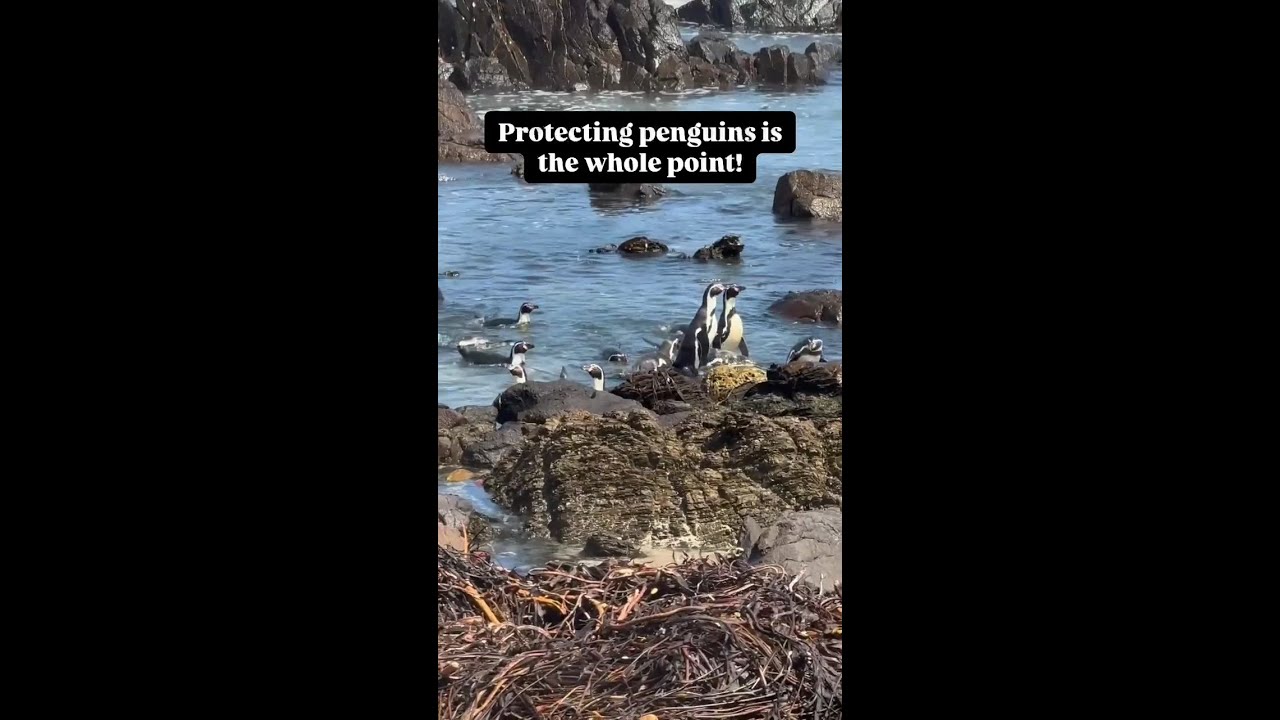
- The biology and behavior of Humboldt penguins: Understanding their unique adaptations and lifestyle.
- Challenges facing Humboldt penguins: Habitat destruction and climate change impacts.
- Conservation efforts: Strategies and initiatives to protect Humboldt penguins.
- The role of zoos in Humboldt penguin conservation: Education and breeding programs.
- Community involvement and global awareness: Encouraging public participation in conservation.
Humboldt penguins are fascinating creatures with distinct behaviors and adaptations that make them a pivotal species for conservation efforts. These medium-sized penguins, native to the coasts of Chile and Peru, thrive in the nutrient-rich waters of the Humboldt Current. Understanding their biology is crucial for effective conservation.
Humboldt penguins have unique adaptations that suit their aquatic lifestyle. Their robust bones reduce buoyancy, allowing them to dive, while their wings, evolved into flippers, make them agile swimmers. They are excellent hunters, preying on small fish and squid. Breeding occurs on rocky shores, where they dig burrows to protect their eggs from predators and the harsh sun.
These penguins are monogamous, often forming lifelong bonds with their mates. Both parents share responsibilities, alternating between foraging and incubating duties. This cooperative breeding is critical since their environment presents numerous challenges.
Habitat destruction and climate change are significant threats to Humboldt penguins. The guano industry has historically damaged nesting sites, while overfishing depletes their food sources. Furthermore, rising sea temperatures and ocean acidification, driven by climate change, disrupt their primary feeding grounds.
Conservationists face an uphill battle in safeguarding Humboldt penguins, but several strategies show promise. Protecting critical habitats is vital. Establishing marine protected areas along the Humboldt Current helps maintain viable ecosystems. Regulations on fishing and guano harvesting reduce human impact, ensuring penguins have enough resources to thrive.
Breeding programs in captivity are essential for maintaining genetic diversity and population stability. Zoos play a pivotal role here, facilitating research and public education. By recreating natural habitats and providing optimal care, zoos help increase the population of Humboldt penguins, aiding in their long-term survival.
Zoos also serve as educational platforms, raising awareness about conservation issues. Visitors learn about the penguins’ ecology and the importance of preserving their natural habitats. Interactive exhibits and educational programs inspire people to engage in conservation efforts beyond the zoo.
Public involvement is crucial. Conservation initiatives increasingly leverage community engagement to achieve long-lasting results. For example, local communities in Chile and Peru are encouraged to participate in habitat restoration and monitoring efforts. Such involvement not only boosts conservation success but also provides socio-economic benefits.
Raising global awareness is equally vital. Efforts to protect Humboldt penguins must transcend borders, encouraging international cooperation. Global campaigns and partnerships with conservation organizations help disseminate information, fostering a sense of shared responsibility.
Protecting Humboldt penguins is indeed a multifaceted endeavor. Through a combination of habitat preservation, community engagement, and educational outreach, we can ensure these remarkable creatures continue to grace our planet. Efforts must remain dynamic, adapting to emerging challenges, as the survival of these penguins is inextricably linked to our environmental stewardship.
*****
Source Description
