
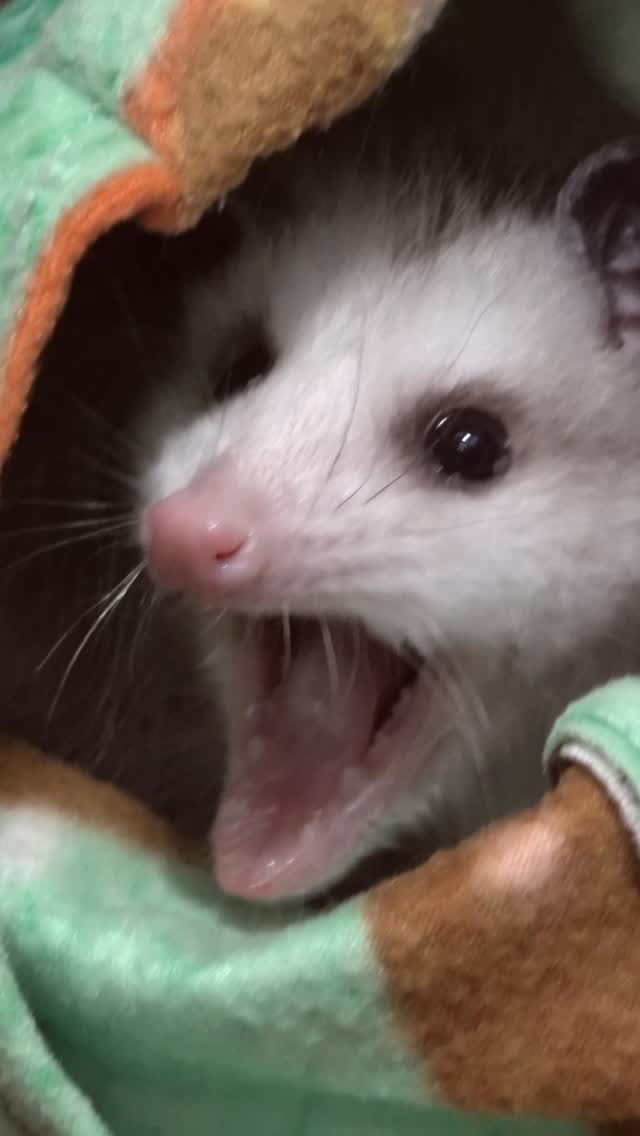
- The story of Nigel, the baby opossum, and his rescue highlight the importance of wildlife intervention.
- Opossums play a vital role in ecosystems, offering natural pest control and promoting biodiversity.
- The process of zoo management and rehabilitation is crucial for the welfare of rescued animals.
- Conservation efforts and public awareness are essential for protecting native wildlife.
Nigel, the star of our story, is a young opossum who was discovered alone and vulnerable behind an apartment building. The rescue mission, initiated by @cwcwildlife, in cooperation with wildlife officials, ensured his safe transition to a zoo environment. The journey of Nigel from urban explorer to a cherished member of a zoo community offers valuable insights into wildlife rescue, conservation, and the fascinating role opossums play in our ecosystems.
Opossums are North America’s only marsupials, a unique distinction that places them in a special category among native wildlife. Their adaptability allows them to thrive in diverse environments, from woodlands to urban areas. Nigel’s discovery behind an apartment highlights the challenges opossums face due to habitat encroachment and human-wildlife interactions.
Opossums have a crucial ecological role. As opportunistic feeders, they maintain balance by controlling populations of pests such as ticks, insects, and small rodents. This natural pest control service reduces the spread of Lyme disease and other tick-borne ailments, underscoring the ecological value of conserving opossum populations.
Zoos play a critical role in the rehabilitation and care of rescued animals like Nigel. With the coordinated efforts of wildlife experts and zoo staff, animals receive the medical attention and nurturing environments necessary for their recovery. In Nigel’s case, the zoo offered safety, nutrition, and companionship, which are vital components in his rehabilitation and transitional journey.
Zoo management involves creating naturalistic habitats that mimic the wild as closely as possible. This not only aids in the physical and psychological well-being of the animals but also serves as an educational platform for the public. Visitors to Nigel’s habitat gain insights into the life and habits of opossums, fostering greater appreciation and understanding.
Conservation efforts rely heavily on public awareness and education. By showcasing animals like Nigel, zoos can inspire visitors to engage in wildlife conservation actions. Supporting organizations such as @cwcwildlife amplifies rescue and rehabilitation initiatives, contributing to the protection of various species and their habitats.
Wildlife conservation is a shared responsibility. By supporting rehabilitation centers and staying informed, individuals can contribute to preserving the delicate balance of ecosystems. Nigel’s story is a testament to the impact of collective efforts in wildlife preservation, highlighting the need for continued education and action.
By ensuring the health and safety of animals like Nigel, we not only support individual species but also promote broader ecological health. Through a combination of rescue, rehabilitation, and public engagement, we can protect indispensable elements of biodiversity. Nigel, therefore, represents not just a single rescued opossum, but a symbol of hope and commitment in conservation.
*****
Source Description
Meet Nigel 💕
Found wandering behind an apartment building, this baby opossum was rescued by @cwcwildlife, who worked with wildlife officials to bring him to the zoo.
