
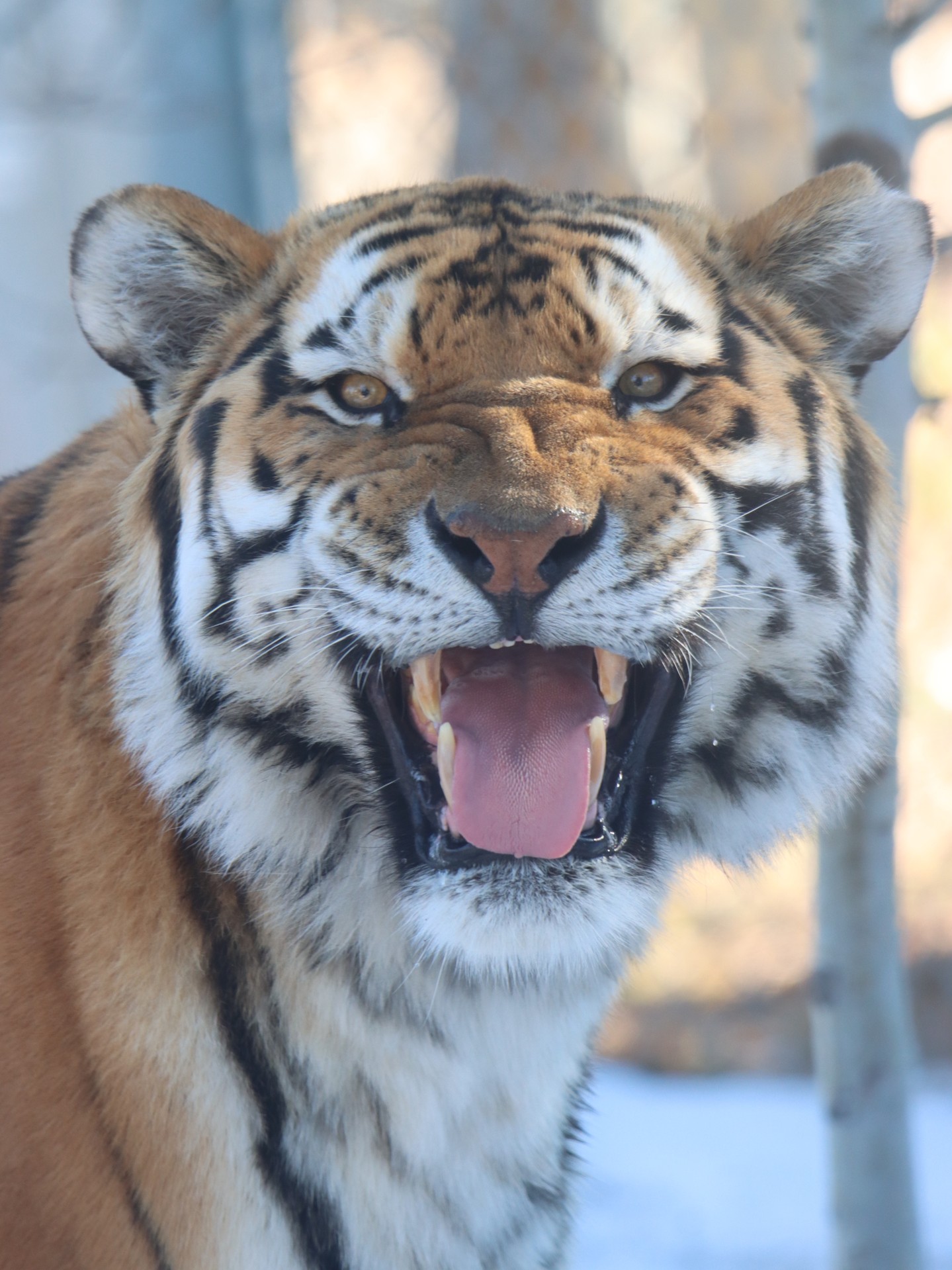
- The importance of high-quality veterinary medicine for zoo animals
- Specific medical needs and treatments for Viktor, our Amur tiger
- The role of diagnostic imaging and anesthesia in animal care
- Funding and support for zoo animal health care
- Incentives for donating and engaging with the zoo community
High-quality veterinary medicine is essential for the health and well-being of zoo animals. Each species requires specific care tailored to its needs. Veterinary medicine in zoos involves a blend of expertise, technology, and compassionate care to ensure that animals thrive. This care is not only vital for their survival but also plays a role in conservation efforts and public education.
Viktor, our impressive Amur tiger, serves as a compelling example of these medical needs. He currently requires dental treatment for several teeth. Dental health in tigers is critical because it affects their ability to eat and, consequently, their overall health. This treatment necessitates anesthesia for safety during the procedure, as well as diagnostic imaging to assess the extent of the dental issues. The estimated cost surpasses $1,500, highlighting the financial demands of providing excellent veterinary care for zoo animals.
Diagnostic imaging, such as X-rays, plays a significant role in veterinary medicine. It allows veterinarians to examine the internal structures of an animal, providing crucial information about any abnormalities. For Viktor, specific imaging will reveal the condition of his teeth and surrounding areas, aiding the veterinarians in making informed treatment decisions. Anesthesia is equally significant; it keeps animals safely unconscious during procedures, minimizing stress and pain. A thorough understanding of these processes is essential for maintaining the health and safety of animals in zoos.
Funding and support for zoo animal healthcare are imperative in maintaining high standards. Vet visits, medications, and specialized treatments all add to the operational budget of a zoo. Donations help cover essential medical expenses, allowing for prompt care that directly impacts the lives of animals like Viktor. Each contribution aids in maintaining a healthy population of over 2,500 animals at the zoo. The financial aspect of zoo management cannot be understated as it directly ties into the level of care that can be provided.
The initiative on Colorado Gives Day serves to emphasize community engagement and the importance of funding for animal healthcare. By donating, individuals participate in the ongoing care for their local fauna and assist in larger conservation efforts. Donors contribute to the quality of life for vulnerable wildlife, and their efforts can lead to significant impacts within the zoo and beyond.
Incentives for engaging with the zoo community can motivate potential donors to contribute. This year, supporters who donate by November 30 are automatically entered to win an exclusive behind-the-scenes tour at the Helen and Arthur E. Johnson Animal Hospital. This opportunity allows five guests to witness first-hand the veterinary care provided. Such programs promote transparency, showing how donations are utilized. The chance to engage directly with the veterinarian drives interest and raises awareness about the importance of keeping animal health at the forefront.
Given the role of veterinary care in zoos, ongoing education becomes critical for both staff and the public. Veterinary professionals continually acquire knowledge to stay updated on the latest advancements in animal healthcare. This commitment to education helps in diagnosing and treating various conditions effectively. In turn, this high level of specialized care contributes significantly to the zoo’s mission of conservation and animal welfare.
Understanding the specific medical needs of animals also informs zoo management. Species such as Viktor require not only physical health care but enrichment, behavioral studies, and environmental opportunities that resemble their natural habitats. This holistic approach emphasizes physical wellbeing along with mental stimulation. Providing a variety of medical care shapes a comprehensive wildlife management strategy.
An important consideration in veterinary science is its interdisciplinary nature. Veterinarians often collaborate with biologists, environmental scientists, and conservationists. This teamwork facilitates a well-rounded approach to animal care that extends beyond just medicinal treatment. By understanding animal behavior, genetics, and habitat needs, veterinarians tailor their care practices strategically, ultimately leading to healthier animals.
The role of technology in veterinary medicine has expanded greatly in recent years. Advancements in diagnostic imaging, surgical procedures, and treatment options have revolutionized how we approach animal healthcare. Facilities like the Helen and Arthur E. Johnson Animal Hospital are equipped with state-of-the-art tools that enhance the accuracy of diagnoses and improve treatment outcomes. These innovations make it easier to monitor animals’ health conditions over time, enabling a proactive approach to veterinary care.
Moreover, the ethical considerations surrounding animal healthcare necessitate a strong commitment to animal welfare. Ethical veterinary medicine involves ensuring that animals receive the best possible care while also evaluating the impact of human intervention on their lives. In zoos, this guidance forms the foundation of all interaction with animals. When humans assume a role in caring for animal populations, responsibility extends to prioritizing their health and well-being. Aligning veterinary care with ethical standards contributes to broader conservation efforts and helps educate the public about the welfare of animals in captivity.
Community involvement must also be recognized as a critical piece of animal healthcare in zoos. Engaging local communities fosters relationships that encourage education and support for conservation efforts. Toward this end, the zoo acts as a bridge, connecting citizens to the natural world. Through outreach programs and educational events, the public learns about the animals and their respective habitats. Understanding these connections prompts active participation in conservation initiatives, which can be instrumental in saving endangered species from extinction.
Ultimately, the narrative of zoo animal healthcare is complex, intertwining veterinary science, community involvement, and ethical considerations. The medical needs of animals like Viktor, the Amur tiger, provide an opportunity for people to engage directly with important conservation efforts. Planning for the future of zoos requires ongoing support and a shared commitment to animal welfare. The lion’s share of these responsibilities relies on funding, education, and community engagement.
As you consider the story of Viktor and our zoo’s diverse animal family, remember that your support can make a meaningful difference. The act of donating not only contributes to immediate medical needs but also cultivates a culture of awareness and appreciation for wildlife conservation. Engaging with your local zoo fosters a community dedicated to preserving wildlife, sustaining habitats, and supporting high-quality veterinary care.
Investing in the health of our animals reflects a larger commitment to the health of our planet’s biodiversity. Let’s work together to nurture the amazing animals that call our zoo home, ensuring they receive the proper care they need to thrive. When you contribute, you’re not only helping Viktor but also supporting the entire zoo community dedicated to animal welfare.
*****
Source Description
Our animal family depends on high-quality medicine and medical equipment for all our animals, including Viktor, our impressive Amur tiger. Viktor currently needs dental treatment for a few teeth. This requires anesthesia, diagnostic imaging, and treatment for a total cost of more than $1,500. This Colorado Gives Day, your gift helps cover essential treatments like this for Viktor and the Zoo’s 2,500+ animals. Donate now with the link in our bio! 🐅🦷🩺
Give early for your chance to win! If you donate between now and November 30, you’ll automatically be entered to win an incredible, behind-the-scenes tour, hosted by our head veterinarian, of the Helen and Arthur E. Johnson Animal Hospital for you and 5 guests, plus lunch and DZCA swag! Get a firsthand look at world-class veterinary care in action, right here at DZCA.
