
- Understanding animal play behavior and its significance
- The ecological role of leaf piles in wildlife habitats
- Techniques in zoo management that promote natural behaviors
- Strategies for wildlife conservation focusing on enrichments
- The impact of human interaction on animal behavior
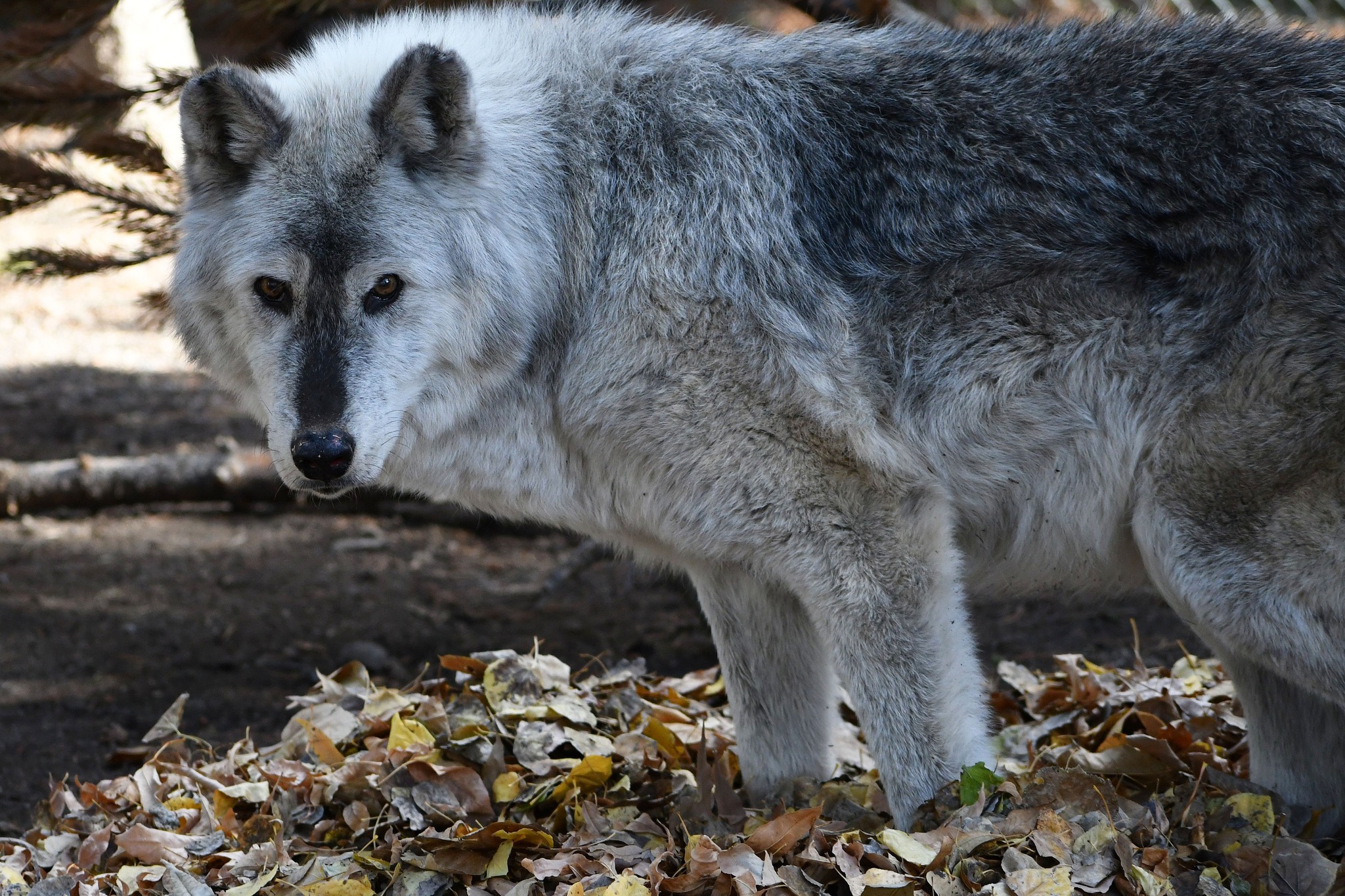
Even 15 1/2-year-old Sura loves a good pile of leaves. This playful behavior is more than just a pastime; it reflects deep-seated instincts that are essential for animals in both the wild and captivity. Animal play behavior has garnered significant attention from researchers; it offers insights into cognitive development, social structures, and overall well-being. Understanding why Sura finds joy in leaves sheds light on the complex lives of zoo animals.
Animal behavior encompasses a broad spectrum of activities aimed at survival and interaction. Play is particularly intriguing as it is observed not only in mammals but also across various species. Play serves several purposes, including honing physical skills, creating social bonds, and exploring environments. In a controlled environment like a zoo, simulating natural play experiences can significantly contribute to the mental and emotional health of the animals.
For Sura, engaging with piles of leaves stimulates curiosity and promotes exploratory behavior. This interaction mimics the environment in which many animals thrive. Wild animals often utilize leaf litter for various purposes, including nesting materials and shelter. Replicating these experiences in captivity is essential for overall animal welfare.
Beyond play, leaf piles serve an ecological role in wildlife habitats. They provide not just a physical structure for animals to engage with but also contribute to nutrient cycling in ecosystems. As leaves break down, they enrich the soil and promote plant growth. This cycle supports a variety of species, creating a rich backdrop for survival and coexistence.
Zoo management plays a crucial role in facilitating activities that promote these natural behaviors. Enrichment strategies have evolved significantly over the years. Basic enrichment, such as providing leaf piles, can be enhanced with sensory experiences—like incorporating different textures or scents into the environment. Advanced enrichment techniques may include time-locked challenges that mimic foraging, influencing animals to explore their habitat more thoroughly. The goal is to create an environment that allows animals to express their inherent behaviors.
The impact of human interaction on animal behavior cannot be overlooked. While zoos serve educational purposes, they are also involved in conservation efforts. Responsible human engagement is vital. Visitors should understand that observing animals like Sura interacting with foliage is a natural behavior. Maintaining a certain distance from animals minimizes stress and allows them to engage with their environment authentically.
A deeper understanding of the role leaves play extends into wildlife conservation efforts. The decline of natural habitats due to urbanization and pollution disrupts these vital ecosystems. Conservation initiatives increasingly recognize the importance of environmental enrichment in rehabilitation programs. Creating habitats that incorporate elements such as leaf piles or restored vegetation can help rewild animals effectively.
Research has shown that animals thriving in environments that mimic their natural habitats lead to better outcomes in terms of adaptability and behavior. Even at Sura’s impressive age, these experiences are paramount for her physical health and psychological well-being. Ensuring older animals remain active is equally important, as it contributes to longevity and a higher quality of life.
The role of animal behavior in conservation is essential. Through dedicated research, behaviors like play can be found in unexpected places. Animals that show interest in simulated environments tend to exhibit healthier social interactions and reproductive success. This insight helps zoos design experiences that promote these natural instincts.
Zoo staff and wildlife conservationists must advocate for better habitat designs. Leaf piles are just one element; the integration of multiple environmental enrichments can promote a more holistic approach to animal care. By understanding the natural behaviors of animals, professionals in the field can enhance the lives of creatures in their charge, focusing not only on immediate welfare but also on long-term conservation goals.
Incorporating educational experiences into zoo settings strengthens the bond between animals and the human public. It fortifies the message of conservation by connecting visitors with the life cycles surrounding their environment. Observing animals like Sura enjoy the simplest pleasures often inspires awe and a sense of responsibility toward protecting these habitats.
Programmatic approaches that prioritize animal interactions with their environments help raise awareness about ecological concerns. By sharing success stories, zoos influence public perceptions about wildlife, bridging the gap between entertainment and education. Sura’s interaction with leaf piles can serve as an entry point for discussions on the importance of habitat conservation and animal welfare.
Habitat loss is one of the most pressing issues in the field of wildlife conservation. By integrating environmental enrichments such as leaf piles, zoos can simulate ecosystems, helping provide educational opportunities while promoting conservation efforts. Understanding behaviors that appear playful is foundational in determining how to restore natural functionality in fragmented habitats.
Fostering a network of wildlife professionals, environmental scientists, and volunteers enhances the efforts aimed at combating habitat degradation. Each interaction with animals contributes to a broader understanding of their needs. The responsibility lies not just with zoos but also with individuals who visit these facilities. Each ticket sold supports conservation initiatives, facilitating the restoration of both animal populations and their natural environments.
Animal welfare and effective zoo management go hand in hand. When animals like Sura engage with their environments, it serves as a testament to the quality of care provided. Providing well-thought-out enrichment options not only improves the well-being of animals but can also result in lasting outcomes for conservation efforts.
Sura’s appreciation for a pile of leaves is but a gateway into the broader discussion of ecology, conservation, and animal behavior. As communities engage with wildlife in various forms, awareness grows. Play behaviors reflect deeper instincts that call for thriving ecosystems, which are imperative for the survival of countless species.
Recognizing that animal interactions serve educational purposes can further mobilize efforts for conservation strategies. The excitement seen in Sura when frolicking in leaves symbolizes a larger movement toward habitat restoration. Each small action contributes to a more integrated approach to conservation, marrying animal well-being with ecological preservation.
In the drive to foster a sustainable future, the role of zoos, wildlife organizations, and public engagement must work in unison. Observations like Sura’s fondness for leaves are crucial in shaping policies aimed at protecting diverse species. By promoting natural behaviors and creating immersive environments, zoos ultimately serve as living museums dedicated to both education and conservation, ensuring that both wildlife and ecosystems flourish for future generations.
*****
Source Description
Even 15 1/2 year old Sura loves a good pile of leaves.
