
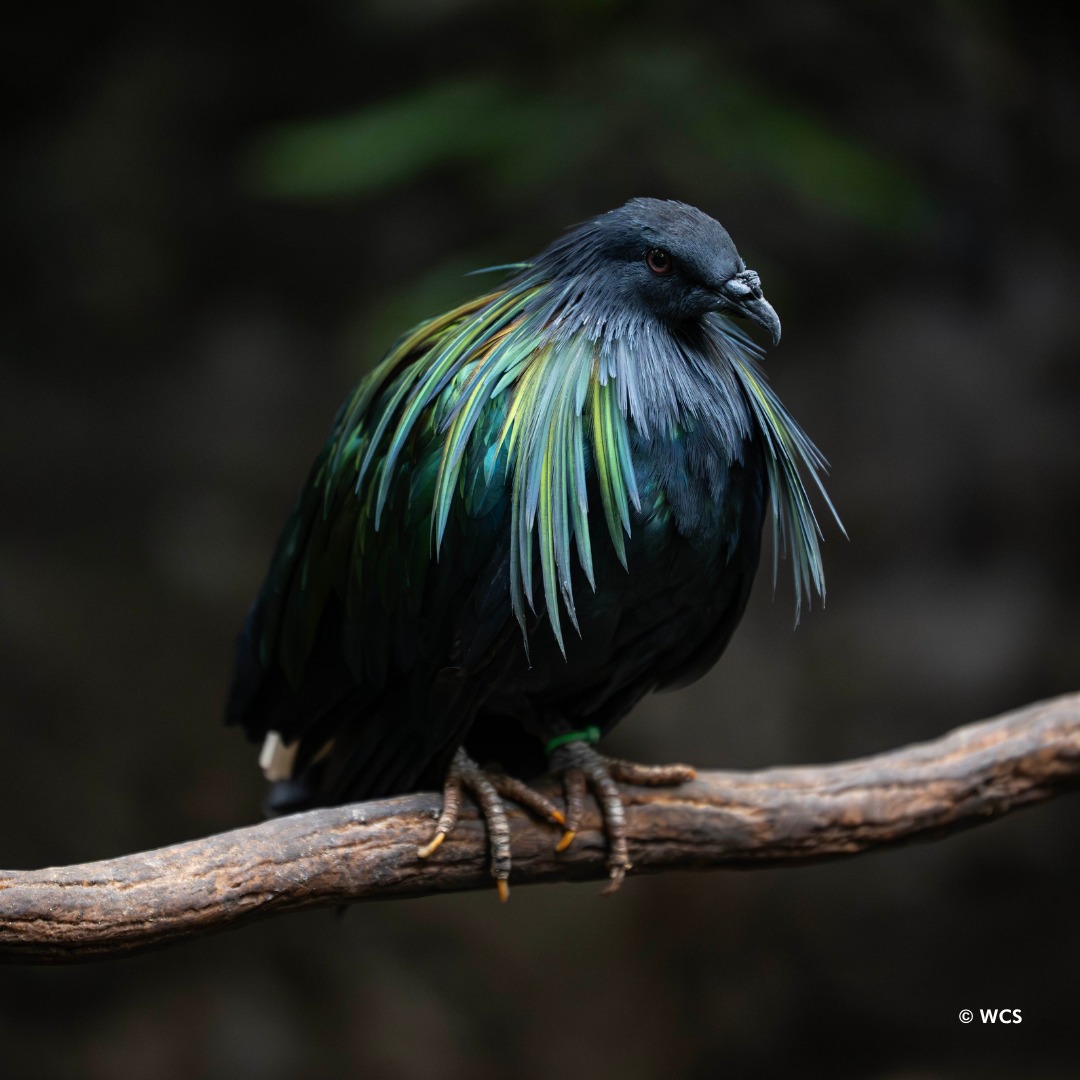
- The iridescent coloration of the Nicobar pigeon and its optical properties
- Behavioral characteristics and habitat preferences of the Nicobar pigeon
- The importance of the Nicobar pigeon in its ecosystem
- Conservation efforts for the Nicobar pigeon and its habitat
- Opportunities for birdwatching in the Tropic Zone
The Nicobar pigeon, Caloenas nicobarica, is a visually striking bird notable for its iridescent feathers. The colors appear to shift and change based on the angle of light, giving this species a dazzling appearance that captivates all who encounter it. Its plumage does not derive from traditional pigments; instead, the colors stem from intricate microstructures in the feathers. These structures manipulate light in such a way that the viewer sees different hues depending on their position relative to the bird and the light source. This optical illusion is a fascinating example of how the physical properties of materials can create aesthetically pleasing effects. Birdwatchers visiting the Tropic Zone are particularly encouraged to pay attention to how the iridescence reveals itself in various lighting conditions, making each observation a potentially fruitful experience.
In terms of behavioral characteristics, the Nicobar pigeon is a social bird frequently found in loose flocks. They are adept at foraging, primarily consuming seeds, fruits, and nuts, endemic to the tropical forests they inhabit. Interestingly, they have a strong preference for places with tall trees that provide adequate cover and resources for feeding as well as nesting. Nesting often occurs in secluded areas to minimize predation risks. Although they seem somewhat reclusive, their social structures are complex; they communicate using various coos—a behavior typical of many pigeons. These vocalizations are particularly pronounced during mating rituals, where males display prominently to attract females.
The Nicobar pigeon plays a vital role in the ecosystems in which it resides. As a frugivore, it assists in seed dispersal, promoting the growth and regeneration of numerous plant species. The nutritional benefits of the pigeon extend beyond its immediate environment. By aiding in the propagation of certain plants, it supports other wildlife that relies on those species for sustenance and shelter. The interconnectedness of these relationships underscores the importance of protecting the Nicobar pigeon not just for its beauty, but for its role in maintaining ecological balance.
Despite its ecological significance, the Nicobar pigeon faces challenges. Habitat destruction due to human activity, such as deforestation and land conversion for agriculture, is a pressing concern. These threats have led to population declines, making concerted conservation efforts crucial. Initiatives may involve habitat restoration projects, legal protections, and community education aimed at fostering appreciation for the species. Organizations working towards wildlife conservation often emphasize the need for sustainable practices that can coexist with biodiversity preservation. The Nicobar pigeon serves as an excellent ambassador for these efforts due to its charisma and appeal.
For birdwatching enthusiasts, the Tropic Zone is an ideal location for observing this spectacular bird. The vibrant environments provide ample opportunities for spotting the Nicobar pigeon in its natural habitat. Birdwatching not only enhances appreciation for wildlife but also promotes awareness of conservation issues. Understanding the vital role of the Nicobar pigeon encourages individuals to take an interest in preserving its habitat and fostering biodiversity.
Overall, the Nicobar pigeon’s iridescent beauty makes a strong case for conservation. Its unique coloration, intricate social behaviors, ecological importance, and the pressing need for sustainable practices all converge to highlight the importance of wildlife stewardship. Visitors should take the opportunity to engage closely with this species during their travels, making observations that extend beyond mere aesthetics to encompass the larger picture of ecological health. The juxtaposition of beauty and fragility is an essential narrative that continues to unfold in the story of the Nicobar pigeon, urging both scientific inquiry and community involvement in its preservation.
*****
Source Description
The iridescent beauty of the Nicobar pigeon makes them a favorite with guests. If you’re up for a spot of birdwatching next time you visit, take a moment to observe how their coloration seems to change when viewed from different angles. The iridescent colors don’t come from pigments, but are created entirely by the physical and optical properties of the feathers themselves. The colors you see depend on the angle of the light source hitting the feathers and the viewer’s perspective. Check them out in the Tropic Zone.
📸: WCS photographer, Terria Clay
