
- The importance of enrichment for aquatic animals
- Types of enrichment strategies used in aquariums
- Benefits of enrichment for different aquatic species
- Roles of aquarists in providing enrichment
- The impact of enrichment on animal welfare and conservation efforts
Aquatic animals, like those found in our oceans and freshwater ecosystems, thrive in environments that stimulate their senses and encourage natural behaviors. Enrichment is vital for these species, similar to the way it benefits terrestrial animals. By engaging animals in meaningful activities, aquarists create an enriched living environment that supports animal welfare and overall health. This article explores the importance of enrichment for aquatic animals, the various strategies employed, the role of aquarists in fostering these environments, and the broader implications for conservation efforts.
Enrichment serves as a crucial aspect of modern aquarium management. Aquatic animals often live in controlled environments that can lack the variety and complexity of their natural habitats. This can lead to stereotypical behaviors or stress if animals become bored or unstimulated. Enrichment engages an animal’s senses—sight, sound, touch, and even taste—by introducing elements that mimic their natural surroundings. Effective enrichment not only fulfills the basic needs for physical activity and mental stimulation but also prompts species-specific behaviors important for their well-being.
The strategies employed for enrichment in aquariums are diverse and tailored to suit the specific needs of different species. Physical enrichment involves modifying an animal’s environment to encourage natural behavior. This can include varying substrate in tanks, introducing hiding spots, or using floating objects. For example, creating vertical spaces for species like swim bladders or certain fish species to explore can enhance their habitat and encourage natural swimming behaviors.
Sensory enrichment involves stimulating an animal’s senses other than just sight. This can include utilizing different water currents, light patterns, or sounds. For instance, many marine mammals are intrigued by auditory stimulation and demonstrate changed behavior patterns when exposed to different sounds. Invertebrates, such as octopuses, highly engage with color changes and tactile surfaces, leading instructors to introduce various textured surfaces within their habitats.
Social enrichment plays a vital role in enhancing the quality of life for many aquatic animals. Certain species thrive in groups, while others prefer solitude. It’s crucial to monitor these social dynamics to maintain harmony within the tank. Pairing compatible species can lead to more interactive behaviors, such as foraging together or play-fighting, which naturally occurs in the wild. A well-conceived stock list that considers social structures contributes to overall enrichment.
Feeding enrichment is another practical strategy. Instead of offering food directly, aquarists may hide food in substrate materials or use floating devices that create challenges for animals to access their meals. This plays into hunting and foraging behaviors, encouraging animals to use their instincts. For instance, in enclosures housing dolphins, trainers may scatter fish within a designated area to promote searching and movement, creating a more comprehensive feeding experience.
The role of aquarists is central to providing effective enrichment. Staff members must possess a deep understanding of the specific needs of each species they care for. This knowledge allows them to design enrichment activities that enhance both physical and mental health. They monitor animal responses to enrichment and adjust strategies based on observed behaviors. For instance, if certain enrichment items are ignored, adjustments can be made to better suit the animals’ preferences.
Aquarists also play an educational role, providing insight to visitors about the importance of enrichment. As guests can sometimes observe animals behaving in ways that appear unnatural, aquarists utilize these opportunities to explain how enrichment reduces stress and encourages natural behavior. By crafting informative presentations or interactive displays, aquarists can elevate public awareness and engagement with conservation themes.
The impact of enrichment on animal welfare is closely tied to conservation efforts. By improving the lives of animals in captivity, aquarists can contribute valuable insights into how these species behave in the wild. When animals are enriched, they often exhibit behaviors that reflect their natural habitats more closely, which can inform conservation strategies. Observing how enriched environments affect the health and behavior of captive aquatic animals can provide critical data for wildlife rehabilitation efforts aimed at reintroducing animals back into their natural ecosystems.
Furthering conservation narratives, aquarists may participate in breeding programs designed to increase populations of endangered aquatic species. By ensuring the health and well-being of these species through enrichment, aquarists can work towards sustaining genetic diversity. Education about this process can help foster community support for conservation programs both in and outside of the aquarium.
In addition, the benefits of enrichment extend to overall aquarium health. Enriched environments can reduce stress-related illnesses among aquatic animals. By decreasing the incidence of aggressive interactions or stereotypical behaviors, enrichment contributes to a calmer atmosphere within the aquarium. In this way, not only do individual animals benefit, but the facility itself becomes a healthier environment, allowing species to thrive.
The relationship between human care and animal behavior is complex. As understanding of aquatic animal needs is continually refined through research, it becomes even clearer how essential enrichment is. The integration of science and animal husbandry has advanced the practices used to create rich, engaging environments. New research findings help unveil which types of enrichment are most effective for different species, leading to more strategic planning and implementation within aquarium settings.
Aquariums serving as centers for education and conservation bring essential visibility to aquatic life. Through enrichment, they create an engaging atmosphere that captivates public interest. People observing lively, active aquatic animals are more likely to be inspired to learn more about marine ecosystems and their conservation. Both informal and formal educational programs organized within aquariums can enhance public understanding of environmental challenges affecting aquatic species and ecosystems.
By engaging in local and global conservation efforts, aquariums can advocate for the protection of aquatic habitats. This multifaceted approach to education includes advocating for sustainable practices and reducing human impact on ocean health. When visitors leave with a newfound appreciation and knowledge about aquatic life, they may contribute to broader conservation initiatives.
Moreover, advancements in technology have paved the way for innovative enrichment methods. Virtual reality tools are being developed to simulate various aquatic environments, providing valuable insights into the needs and behaviors of aquatic animals. These innovations will inform future enrichment tactics, allowing aquarists to adapt their approaches based on diverse species requirements.
Ultimately, even aquatic animals love enrichment, and such strategies significantly benefit not only the animals but also humanity’s understanding of marine ecosystems. The intricate balance of these ecosystems requires a commitment to understanding and caring for the inhabitants. As aquarists continue to explore innovative enrichment strategies, they will play an increasingly important role in wildlife conservation and education.
To ensure the continuity of these efforts, collaboration between aquariums, researchers, and conservation organizations is essential. Besides, sharing findings and methodologies helps refine approaches to enrichment on a larger scale. Educators can facilitate knowledge sharing, and innovations can arise through collective efforts toward improving the lives of aquatic animals.
In summary, engaging aquatic animals through various enrichment strategies fosters natural behaviors, enhances well-being, and aids in conservation initiatives, creating a brighter future for both aquatic animals and their habitats. As this understanding continues to evolve, the commitment to enriching the lives of aquatic species remains paramount to the mission of aquarists and animal welfare advocates worldwide.
*****
Source Description
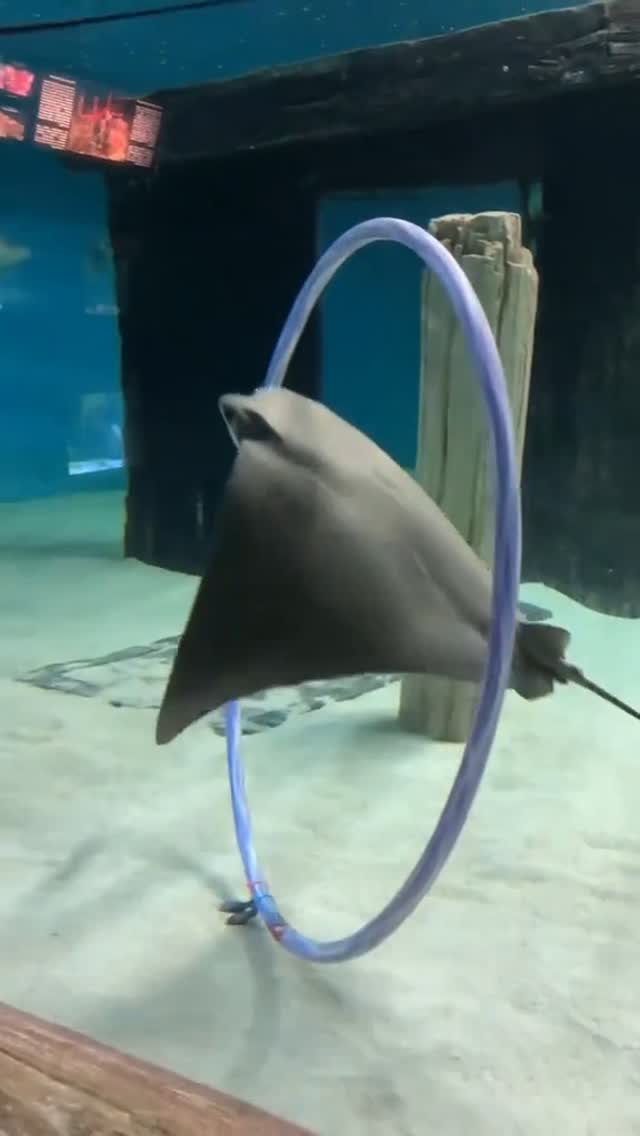
Even aquatic animals love enrichment!
Just like our furry and feathered friends, animals in the aquarium need enrichment, too. Enrichment engages the animal’s senses and encourages species-specific behaviors. Our amazing aquatic team keeps things fun and interesting for all the animals in the aquarium!
🎥 by Rosemary Rojo, Aquatic Interpreter
