
- The importance of zoo births in conservation efforts
- Key factors influencing successful breeding programs
- The role of public engagement in wildlife education
- Challenges faced by zoos in breeding endangered species
- The lifecycle of newborn animals and their care
Let the countdown begin…new zoo babies dropping soon. Most enthusiasts eagerly anticipate these moments, both for the joy they bring and their significance in conservation. The births of new animals in zoos represent more than mere entertainment; they embody critical efforts to conserve endangered species and educate the public. Understanding this process can deepen appreciation for our natural world while highlighting the persistent challenges that zoos face.
Zoo births serve as vital components of wildlife conservation strategies. Many species housed in zoos are also facing the threat of extinction in their natural environments. By successfully breeding and rearing these animals, zoos contribute to the genetic diversity necessary for the survival of these species. Conservation breeding programs aim not only to maintain captive populations with genetic health but also to support potential reintroduction into the wild where habitats are protected or restored. These programs, informed by research in genetics and animal behavior, closely monitor breeding pairs’ bloodlines to avoid inbreeding and ensure the resilience of future generations.
Several key factors influence successful breeding programs at zoos. First, understanding the specific reproductive behavior and needs of each species is paramount. For instance, some animals may have seasonal mating cycles, while others may breed year-round. Proper environmental conditions must be recreated to mimic natural habitats, and behaviors inherent to species must be facilitated. In particular, the physical and psychological well-being of the breeding pairs is crucial. Enrichment activities, which stimulate natural behaviors and encourage social interaction, are often employed to create conducive environments for breeding.
Moreover, nutrition plays a critical role. Animals in optimal health are more likely to conceive and bear healthy offspring. Zoos invest in the dietary needs of their residents, ensuring that they receive balanced, species-appropriate diets. This investment frequently includes collaboration with animal nutritionists who provide insights into dietary requirements based on each species’ wild counterparts.
Public engagement in zoo births fosters a deeper understanding of wildlife issues. Educational programs in zoos serve as platforms for visitors to learn about the specific needs of the animals they encounter. When zoo babies are born, special events and programs highlight these births. Such engagement can stimulate visitors’ interest in conservation and inspire action, potentially leading to support for wildlife protection and habitat preservation initiatives.
This public interest brings attention to the often-challenging realities that zoos must navigate while breeding endangered species. First, regulatory frameworks exist, guiding breeding programs and ensuring ethical standards are met. Additionally, there is an ongoing debate about the ethics of keeping animals in captivity when many species’ natural habitats are being destroyed or altered irreparably. Critics argue that conservation should prioritize protecting and restoring natural habitats, rather than relying solely on captive breeding.
Zoos often face logistical challenges in breeding programs, including meeting the social needs of animals. Many species thrive in social groups and may only reproduce successfully in the presence of companions. Therefore, creating a suitable social environment is essential. Furthermore, many species have specific gestation periods. Depending on the species, these periods can range from a few weeks to several months, requiring patience and careful planning by zookeepers.
After births occur, the lifecycle of these newborn animals presents its own set of challenges. Neonates—animals that are born or hatched in an undeveloped state—require intensive care. In many cases, zookeepers simulate maternal care, providing feeding, cleaning, and socialization. This phase is critical, as the first few months of life often dictate the animal’s health and future behavior. In species such as elephants or gorillas, maternal bonding is crucial, and human intervention may disrupt natural instincts.
There is also a need for ongoing education about the challenges faced by these animals. Parents and children alike can learn about the importance of species preservation through stories about individual animals and the specific threats they face in their wild habitats. This education can extend beyond the zoo, encouraging individuals to make informed decisions related to conservation efforts.
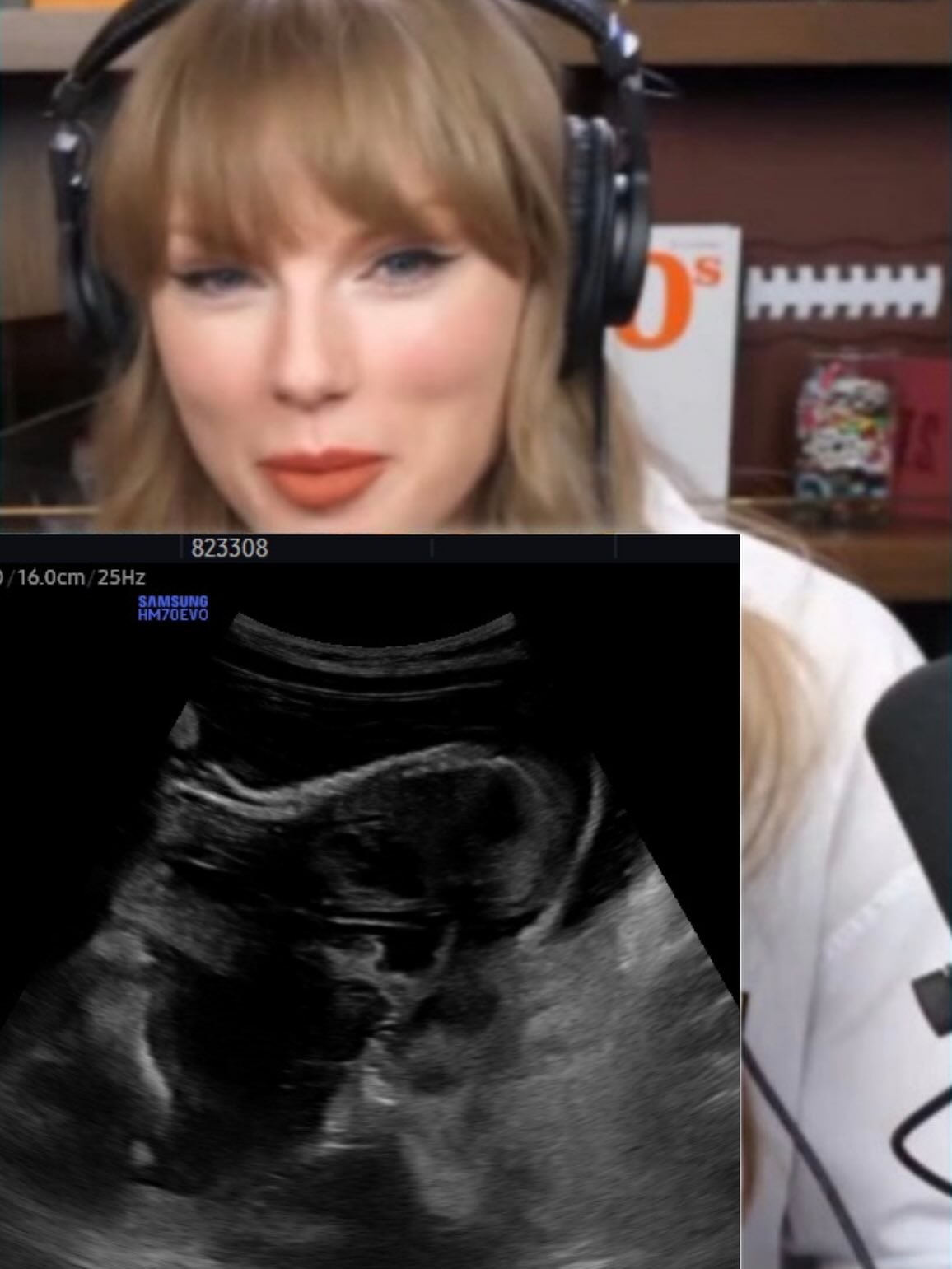
Furthermore, advancements in veterinary care for zoo animals have transformed how zookeepers manage pregnancies and newborns. Modern veterinary medicine employs techniques like ultrasounds and specialized diets during pregnancy, which enhance health outcomes for both mothers and their offspring. Regular health check-ups for pregnant animals ensure that any complications can be addressed immediately. Additionally, advancements in reproductive technologies, such as artificial insemination, help genetic diversity efforts. This allows for breeding between individuals that might be geographically separated but possess valuable genetic traits.
As new zoo babies drop soon, we must recognize the significant role these children play in both zoos and broader conservation efforts. Community support for local zoos becomes increasingly important. Many successful breeding programs rely on community funding, which underscores the relationship between zoos and their visitors. Memberships, donations, and volunteers contribute to valuable resources needed for animal care and breeding programs.
Conservation organizations also play a role, collaborating with zoos to enhance breeding programs. Many organizations prioritize funding initiatives that focus on critically endangered species which require urgent attention. Collaborations allow for knowledge sharing and pooling of resources, thereby maximizing the potential for successful breeding outcomes.
The countdown to new zoo babies embodies hope for endangered species and serves as a reminder of the thriving wildlife that exists in the world. Zoo births shine a spotlight on the value of conservation. As these newborns grow, they encourage new generations to appreciate wildlife and work toward preserving the natural world.
In summary, new zoo babies enrich our understanding of conservation practices and the reality of managing endangered species. From influencing breeding programs to fostering public engagement, each birth is a testament to the commitment of zoos and conservationists. As we await the arrival of these little ones, it’s essential to support ongoing efforts to protect these species and their habitats. Engaging with the work that zoos do deepens our connection to our planet and encourages responsible stewardship of wildlife.
*****
Source Description
Let the countdown begin…new zoo babies dropping soon🧡🔒
