
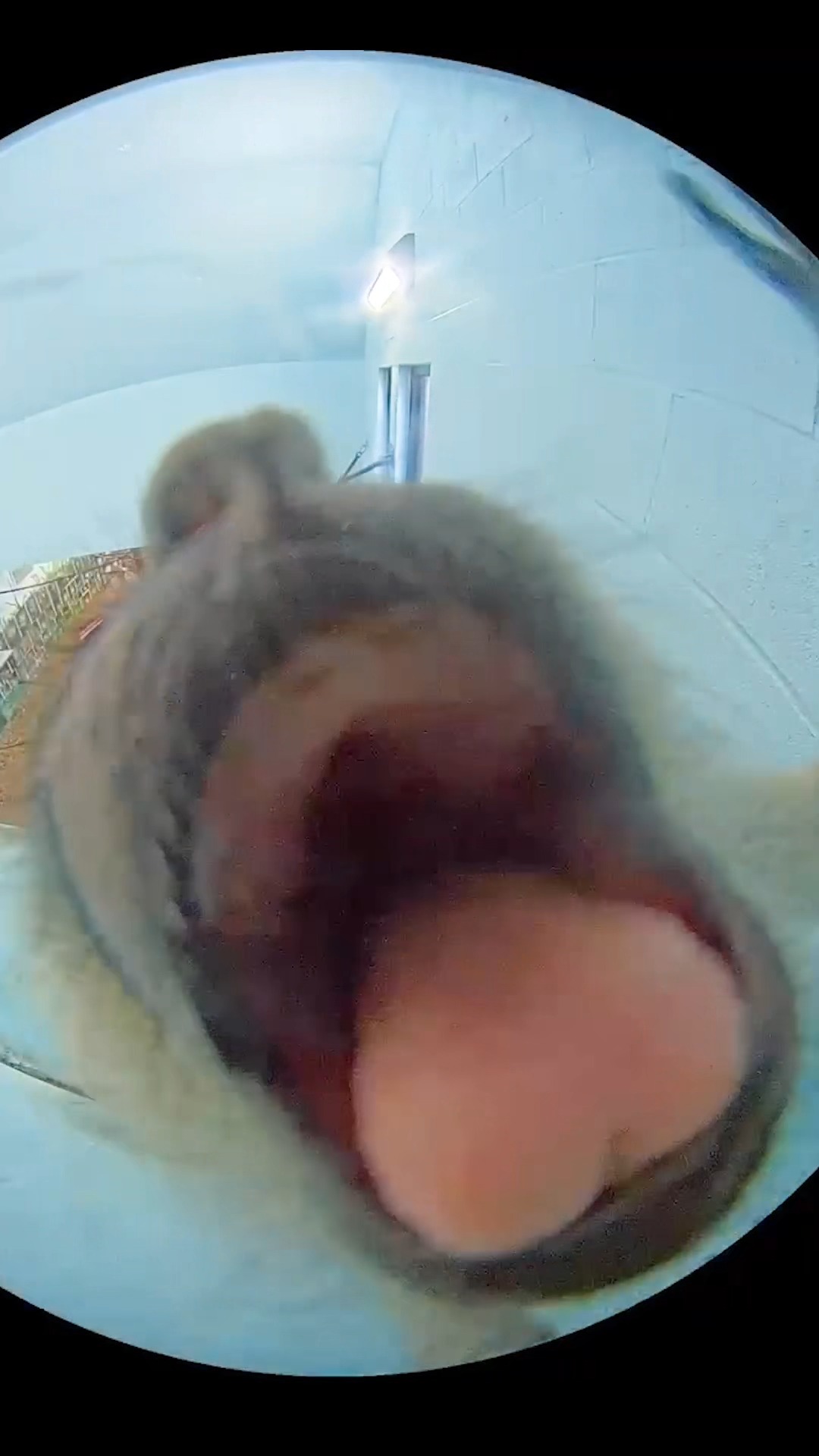
- The developmental significance of mouth exploration in baby gibbons
- Behavioral traits of gibbons during infancy
- The role of parental care in gibbon development
- Conservation challenges faced by gibbons and their habitats
- The impact of gibbon behaviors on species survival
Baby Leuco is a young gibbon that is beginning to explore his surroundings. Approaching 6 months old, his world is expanding every day. His curiosity is evident as he learns to climb and venture away from his mother, Parker. This behavior isn’t just adorable; it serves an important purpose in his development.
Mouth exploration is a common behavior among many infant animals, including baby gibbons. For Leuco, this behavior is part of a critical learning process. Infants have an innate tendency to use their mouths as a sensory tool. Every object they can reach becomes an item to chew, taste, or manipulate. This is particularly important for Leuco, as it allows him to assess the world around him through tactile and oral feedback. This process helps him develop essential skills necessary for survival.
Gibbons, as a species, exhibit various notable behaviors during infancy. These small apes are born with little motor control, which gradually improves as they grow. Initially, Leuco will rely heavily on his mother for nourishment and protection. However, as he matures, he will begin to display increasingly independent behaviors, such as climbing trees and foraging for food. This movement away from his mother and into the surrounding environment promotes physical development, as climbing strengthens musculature and enhances coordination.
While mouth exploration is common, it is essential for Leuco’s cognitive and social skills as well. Gibbons are known for their complex social structures and vocalizations. Engaging with the environment through mouth exploration allows younger gibbons to interact with various objects, enhancing their observational learning. They will notice how older gibbons interact with items, which helps them develop crucial social strategies for living in groups.
Parental care plays a pivotal role in a gibbon’s early development. The bond between Leuco and Parker is vital; it fosters not only emotional security but also facilitates learning. The mother’s presence guides Leuco through the hazards of the world. Parker will teach him which foods are safe and nutritional, leading to better dietary choices later in life. Gibbons typically have a social structure that embraces strong family ties. The nurturing behavior shown by Parker is a cornerstone for Leuco’s successful integration into this environment.
In terms of gibbon conservation, the challenges they face are profound. Habitat destruction remains one of the leading threats to gibbon populations. Deforestation for agriculture and logging has decreased the areas where these animals can live and thrive. As their environments vanish, the delicate balance of their ecosystems shatters. The reduction in forest cover limits their ability to forage for food and find safe nesting sites, putting stress on both juvenile and adult gibbons.
Conservation efforts are essential to protect both Leuco and his species. Understanding the behaviors of young gibbons, especially exploratory ones like mouth exploration, can enhance conservation strategies. Education about their needs and development can lead to better protection policies and habitat restoration initiatives.
As we observe baby Leuco, it becomes clear that his exploration through oral interaction is more than a simple habit; it is part of a complex behavioral landscape critical for his development. Every object he encounters today will contribute to his learning and adaptation in the future. His interactions with the world around him are foundational for mastering the skills required in adulthood, such as foraging, communication, and social bonding.
In the broader perspective, the behavior of baby gibbons like Leuco serves as a window into understanding their species survival. Social structures, parental care, and behavioral traits need to be studied thoroughly to provide essential data for conservation efforts. Every effort counts in preserving gibbons and their habitats, ensuring that future generations can continue to witness the unique behaviors and characteristics that define these captivating creatures.
The key lessons drawn from watching baby gibbons belong not only to the field of zoology but also to anyone interested in fostering a more sustainable environment for wildlife. The challenges faced by Leuco and his peers highlight the interconnectedness of animal behaviors and environmental health. By fostering a better understanding of these factors, we can embody the spirit of stewardship necessary for maintaining biodiversity and promoting wildlife conservation.
*****
Source Description
Even baby gibbons feel the need to put everything in their mouth!
Baby Leuco is exploring more and more every day. As he approaches 6-months-old, he will continue to learn to climb and investigate away from mom, Parker. Make sure to visit him!
