
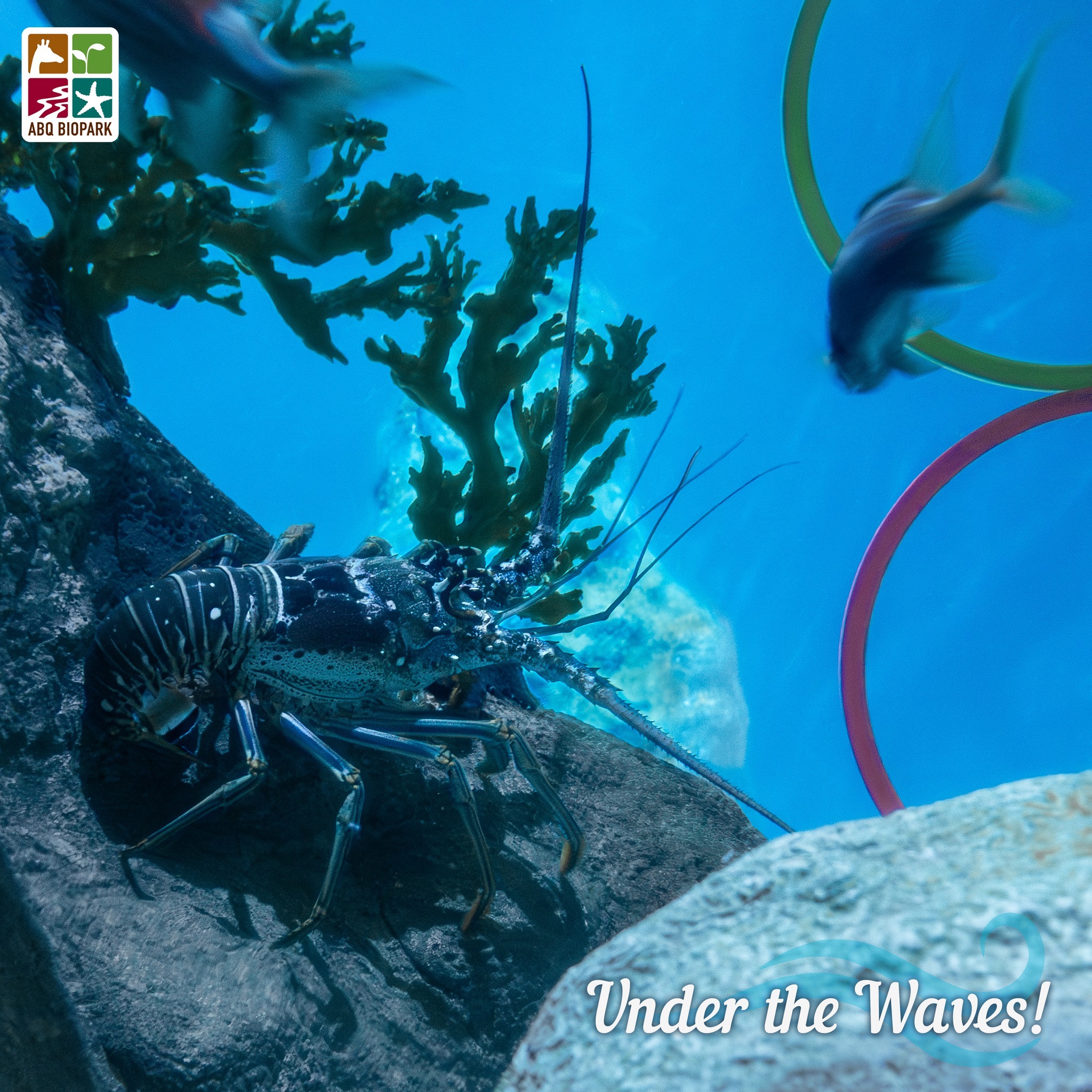
- The biology and behavioral characteristics of the Caribbean spiny lobster
- Habitat conditions and diet preferences
- Importance of conservation efforts and their ecological role
- Unique adaptations and physical features
- Interaction with other marine species in shared environments
The Caribbean spiny lobster, scientifically known as Panulirus argus, is a fascinating species belonging to the Palinuridae family. Commonly found in the warm waters of the Gulf of Mexico and Caribbean Sea, this species offers intriguing insights into marine biology and ecology. Particularly noteworthy is their absence of claws, which distinguishes them from other lobster species. Instead, they rely on prominent spines and long antennae for protection from predators. Understanding their biology aids in appreciating their ecological role and paves the way for effective conservation strategies.
A defining feature of the Caribbean spiny lobster is its biology and behavioral patterns. These nocturnal creatures are primarily active at night, utilizing the cover of darkness to forage for food. Their diet consists mainly of algae, mollusks, and crustaceans, which they hunt using their keen sense of smell. These lobsters exhibit a communal lifestyle, often gathering in small groups in the crevices of reefs or rocky outcroppings. Interestingly, they also possess a unique social hierarchy. This hierarchy can influence feeding and shelter-sharing behaviors, which in turn affects their growth rates and survival.
The habitat conditions for Caribbean spiny lobsters are crucial for their development and health. They are typically found at depths reaching up to 330 feet, although they can inhabit shallower waters during juvenile stages. Their preference for sheltered environments provides safety while also offering abundant food sources. Just as supporting structures like reefs and mangroves play a role in nurturing these lobsters, the surrounding environment must remain healthy for sustenance. Monitoring water quality and temperature is vital, as these factors can significantly affect lobster populations and distribution.
Diet plays a critical role in the growth and health of Caribbean spiny lobsters. Their nutrient demands necessitate a balanced intake of proteins, carbohydrates, and essential vitamins. When kept in controlled environments like aquariums, feeding becomes even more essential. The animal care team hand-feeds these lobsters to ensure that each one receives adequate nutrition. Understanding their feeding habits provides insights into how we can manage them better in both public aquariums and wild environments.
Caribbean spiny lobsters serve an important ecological function within their marine ecosystem. They act as both prey and predator, forming a vital link in the food web. As scavengers, they help maintain the health of coral reefs by grazing on algae and dead organic matter, thereby preventing overgrowth that can choke corals. This natural behavior underscores their role in coral reef health, making their conservation pivotal for maintaining ecosystem balance. The decline of lobster populations can lead to imbalances, affecting various marine species and habitats.
Conservation efforts targeting the Caribbean spiny lobster emphasize the importance of sustainable fishing practices. Overfishing poses a significant threat to their numbers, which in turn jeopardizes the ecosystems that rely on them. Strict regulations are being put in place to protect their habitats and prevent illegal fishing. Public education initiatives are also crucial for raising awareness about the need for conservation. By engaging the community and educating fishermen about sustainable methods, strides can be made in preserving this vital species.
Another aspect of Caribbean spiny lobsters that captivates researchers and marine enthusiasts alike is their unique adaptations and physical features. Growing up to 24 inches long, spiny lobsters have a robust carapace covered with spines that protect them from harm. Their long, slender antennae serve both sensory and defensive functions, allowing them to detect threats and navigate their surroundings. The coloration of the carapace, which can vary from bluish to brownish hues, not only helps in camouflage but also plays a role in social interactions among lobsters.
The interaction of Caribbean spiny lobsters with other marine species showcases their adaptability and relevance in shared ecosystems. Meeting tankmates like lookdown fish, soldierfish, spadefish, and squirrelfish highlights their role within a complex marine community. These interactions can provide insights into the balance of predator-prey relationships and community structure. For instance, the presence of these lobsters can attract larger predators, creating a dynamic interplay in the aquatic food web.
The recent introduction of a small pod of Caribbean spiny lobsters in aquariums marks an exciting point for observation and study. Housing them inside a specially designed wreck area provides a unique vantage point for visitors while also creating a comfortable habitat tailored to the lobsters’ nocturnal habits. The large viewing windows offer a glimpse into the adult life of these lobsters, allowing the public to appreciate their behaviors up close. Regular observations can yield data that may help improve their care and conservation in natural habitats.
Tracking individual lobsters through colored bands enhances the monitoring process carried out by the animal care team. Each lobster’s specific needs can be addressed effectively, helping to promote overall health and growth. By observing how these lobsters interact with each other and their environment, aquarists can gather valuable data that contribute to both scientific understanding and educational outreach.
Physical features of the Caribbean spiny lobster, including their large antennae and absence of claws, allow them to thrive in a variety of environments. The adaptation of depending on spines rather than claws helps streamline their movement through rocky crevices, where they often seek refuge. Additionally, this evolutionary characteristic offers some explanation for their ecological niche, as they fulfill different roles than clawed lobsters.
The Caribbean spiny lobster plays an essential role in the ecological dynamics of marine environments across the Gulf of Mexico and the Caribbean Sea. Their impact goes beyond their immediate habitat, influencing the broader ecosystem. These lobsters are not just a culinary delight but a species that deserves recognition for its contributions to environmental health and stability. As marine conservation becomes increasingly crucial, the focus on species like the Caribbean spiny lobster exemplifies the interconnectedness of all life forms within the ocean.
Discovering and understanding the complexities of Caribbean spiny lobsters deepens our appreciation for marine ecosystems and their intricate networks. Through conservation efforts and educational initiatives, there is hope to maintain stable populations of this vital species. Supporting sustainable practices not only helps ensure the survival of lobsters but contributes to the ongoing health of marine environments worldwide. By fostering an awareness of their ecological significance, we can develop a more balanced and sustainable approach to marine life management.
*****
Source Description
Under the Waves! Wednesdays- Meet the Caribbean spiny lobster: A small pod have arrived Inside the Wreck, the space with a window to the sharks in the Ocean habitat next door! The darkness makes it a cozy spot for these large nocturnal decapods, who can grow up to 24 inches long and live at depths as low as 330 feet throughout the Gulf of Mexico and Caribbean Sea. These new residents are still fairly young, but through molting have already grown to quite an impressive size. Each one has a colored band so that the animal care team can tell them apart; they are fed by hand to make sure each is getting all the food they need!
Do you see something unique about this species from the family Palinuridae? They have no claws! Spiny lobsters, also known as rock lobsters or langustas, rely on the pointy growths on their carapace and the two thick antennae that give them their name as defense against predators. In addition to this American native Panulirus argus, there are about 60 different species of spiny lobster found around the world. Try to spot them alongside their lookdown, soldierfish, spadefish, and squirrelfish tankmates the next time you visit the Aquarium!
