
- The physiological impact of vocalization on animals.
- The need for rest and recovery among loud animals.
- The importance of creating quiet zones in zoos and wildlife sanctuaries.
- Conservation strategies that prioritize animal welfare and vocal health.
- The interplay between animal behavior, noise pollution, and species survival.
Vocalization plays a crucial role in the lives of many animal species. From the lion’s roar to the howler monkey’s call, these sounds can serve multiple functions, including territory marking, mating calls, and communication within social groups. However, the production of such loud sounds can have significant physiological impacts on the animals themselves. Prolonged vocalization can strain the vocal cords and other anatomical structures involved in sound production.
Large predators like lions can emit roars that reach up to 114 decibels, comparable to a jet engine. A lion’s vocalization is not merely a projection of power; it serves a vital biological purpose. Continuous roaring demands energy and can lead to physical fatigue. Studies in other loud animals, such as whales and elephants, have shown that long bouts of vocalization can increase stress levels and lead to various health issues. Consequently, even the loudest animals need a break from roaring to maintain their health and well-being.
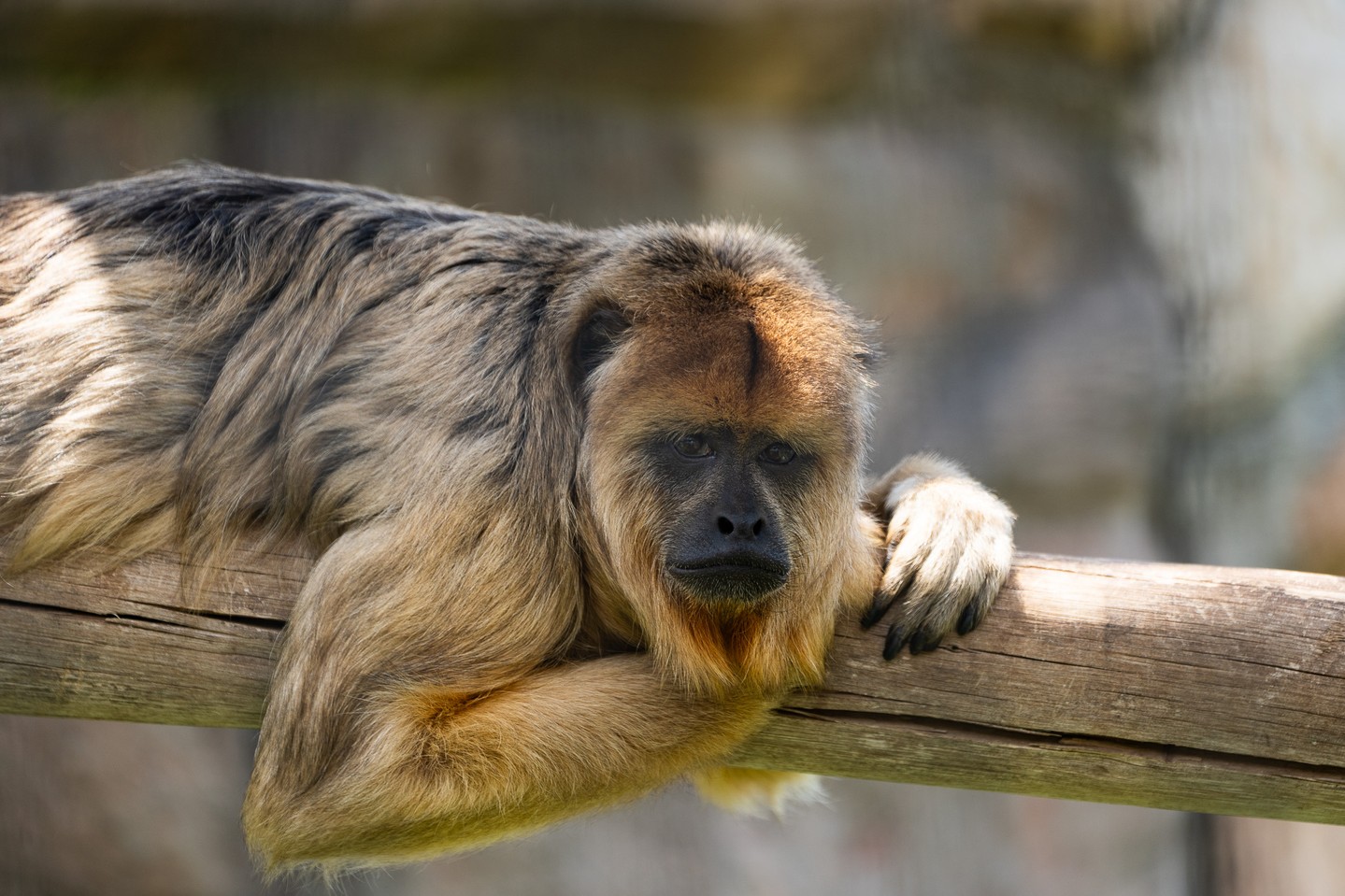
Rest and recovery are essential components of animal health. Animals, much like humans, require downtime to recuperate from strenuous activities. This need becomes especially critical for species known for their vocalizations. Studies indicate that species like howler monkeys display clear patterns of vocalization followed by extended periods of silence, which serve as an opportunity for recovery. Research has shown that periods of rest enhance muscle recovery in animals that vocalize frequently.
In a zoo environment, the management of sound levels can significantly affect animal behavior and welfare. Creating quiet zones where animals can retreat when they feel overstimulated can dramatically improve their quality of life. For example, lion exhibits that incorporate sound barriers or acoustic dampening materials can minimize external noise and allow the animals space to relax without the pressure to roar. This technological integration not only benefits the animals but also educates the public about the unique needs of different species.
Zoo management strategies must prioritize animal welfare while incorporating the natural behaviors of resident species. Understanding that even the loudest animals need a break from roaring informs how facilities design their habitats. Enrichment programs that include low-noise areas can assist animals in maintaining a balance between vocal expression and rest. These innovative approaches also facilitate observation, allowing visitors to learn about the behaviors of animals while respecting their need for quiet.
Conservation strategies that prioritize vocal health are vital in a world increasingly marked by noise pollution. Many habitats are becoming inundated with sounds from human activity, seriously threatening the vocal communication essential for many animals. In urban environments, the influx of traffic noise can drown out the calls of birds and other species that rely on vocalizations for mating and territory establishment.
Education programs focusing on the importance of noise management in conservation efforts have become crucial. By highlighting the need for soundscapes free from industrial noise, conservationists can foster public interest in protecting natural habitats. Field studies that document the effects of noise on communication can further inform wildlife management policies, emphasizing the point that even the loudest animals need a break from roaring.
Interactions between animal behavior and environmental sound levels can lead to unexpected consequences for species survival. Animals that cannot compete with rising background noise may experience declines in population numbers. Species like frogs and toads depend on vocalizations to attract mates. Increased ambient noise can disrupt these mating calls, leading to dwindling numbers in certain populations. This issue underscores the need for immediate action to mitigate noise pollution in natural settings.
Wildlife conservationists and zoo managers alike stress the significance of creating an environment that supports both the physiological and psychological well-being of animals. This includes recognizing that even the loudest animals need a break from roaring, just as they require access to food, water, and safe habitats. Effective communication regarding these needs helps spearhead campaigns aimed at raising awareness.
Research into animal behavior has evidenced that regular breaks from vocalization can increase the likelihood of successful reproduction and improve social dynamics within groups. Species like elephants, known for their deep rumbles, often facilitate social bonds through communication. When elephants experience environmental stressors or loud disturbances, their vocalization patterns change, potentially leading to reduced cohesion within their groups. Without proper resting conditions, the social fabric of these communities may unravel, affecting species survival.
Additionally, zoos can take proactive steps in conserving species that are heavily impacted by vocal strain. Implementing sound isolation features, such as specialized enclosures, serves dual purposes by reducing stress from external noise while allowing animals to engage in natural behaviors. Furthermore, education campaigns can teach visitors why certain species are given dedicated quiet spaces. Understanding the importance of resting minimizes human interference in animal habits, fostering a deeper connection between humans and wildlife.
Communicating the significance of a peaceful habitat extends beyond the zoo or sanctuary. Field studies can demonstrate how species affected by high noise levels can thrive when environments are quieter. This scientific backing may assist in policy formulation aimed at reducing noise pollution, preserving natural habitats, and promoting sustainable practices.
Innovative technology plays a role in tracking the impacts of noise on animal behavior. Monitoring systems employing acoustic sensors collect data on how animals respond to various sound stimuli can provide valuable insights. This research illuminates how even the loudest animals need a break from roaring, emphasizing their requirement for a balanced environment. Data-driven insights inform conservation policies and encourage resource allocation toward projects focused on habitat protection.
Fulfilling the needs of voicing animals necessitates collaboration among zoologists, veterinarians, ecologists, and the public. Engaging with local communities in conservation minds sets the groundwork for environmental stewardship that extends beyond personal interest. Sharing educational programs that emphasize the importance of minimizing noise can cultivate a generation more attuned to the needs of wildlife populations.
In conclusion, the necessity for breaks from vocalization among loud animals highlights the intricate interplay between physiology, animal welfare, and conservation ethics. Creating environments that support these needs is vital not only for the health of animal species but for the preservation of biodiversity as a whole. Through targeted conservation strategies, education efforts, and community involvement, we can work toward a future where both wildlife and human populations coexist harmoniously.
In our quest to understand and protect the complexities of animal behavior, we must remain mindful that even the loudest animals need a break from roaring. Proper management of environments encourages healthier, thriving populations that not only enrich our world but also educate others on the importance of wildlife conservation.
*****
Source Description
Even the loudest animals need a break from roaring 🙊
