
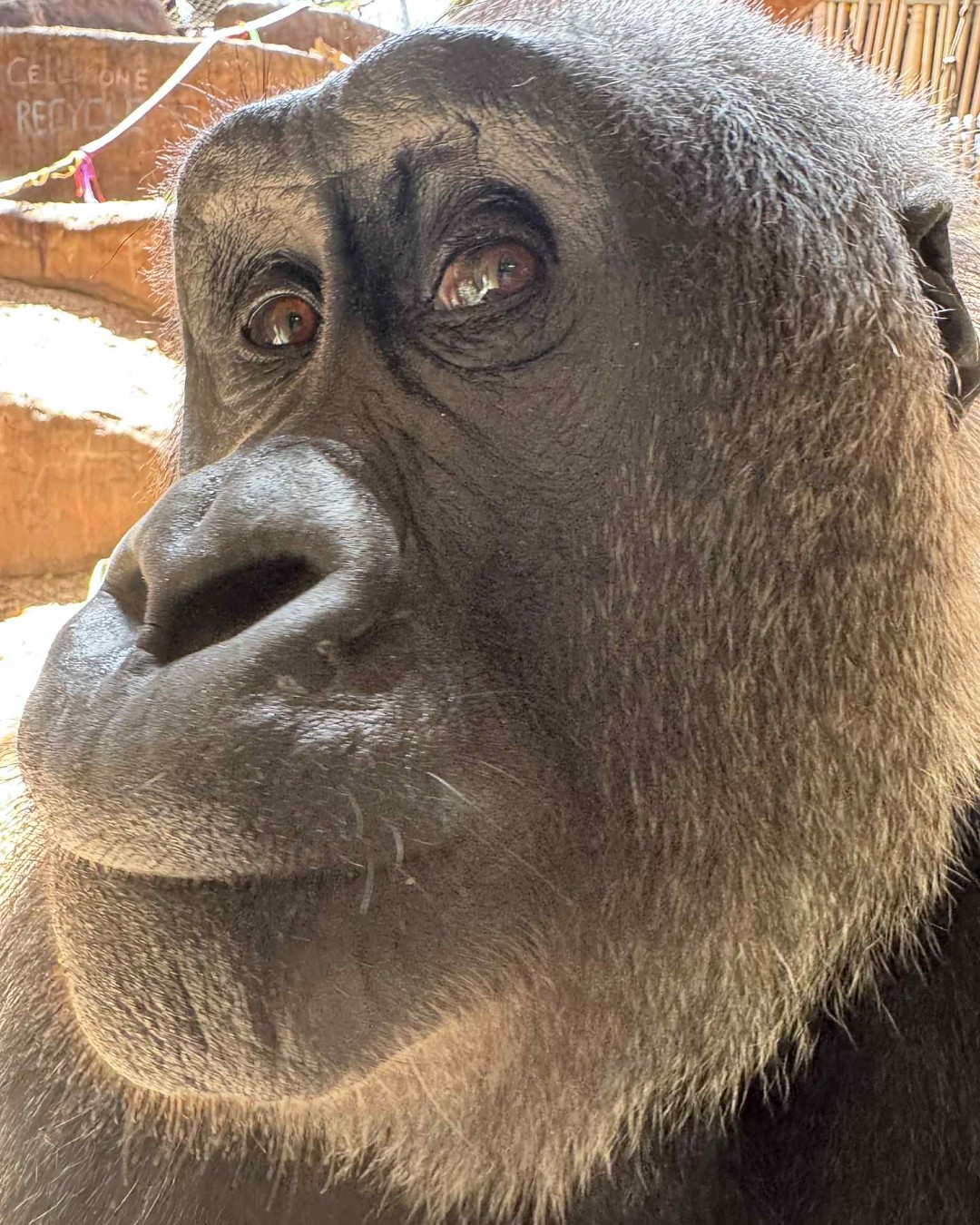
- The journey of Johari, a 24-year-old western lowland gorilla, as she moves to another AZA-accredited facility to contribute to her species’ survival.
- Understanding the Species Survival Plan (SSP) and its role in preserving critically endangered species like the western lowland gorilla.
- The importance of zoos and their collaborative efforts in wildlife conservation, focusing on maintaining healthy animal populations.
- Johari’s early life, her integration into the troop, and her distinctive personality traits that have made her a beloved figure at the Toronto Zoo.
- The comprehensive process involved in transferring animals between zoos, prioritizing the well-being of the animals throughout the transition.
Johari’s new adventure is a poignant moment, marking the transition of a western lowland gorilla to another AZA-accredited facility. This move is not just about relocation but about playing a critical role in the conservation of a species facing severe threats. The decision is driven by the Species Survival Plan (SSP), which identifies matches of significant genetic value. Johari, born at the Toronto Zoo in 2001, is a vital part of these efforts, representing a beacon of hope for her species amid challenges like habitat destruction, poaching, and disease.
The Species Survival Plan is an essential tool in conservation, devised to maintain genetically diverse and demographically stable populations of endangered species. Western lowland gorillas, listed as critically endangered, benefit from having individuals like Johari participate in breeding programs that aim to ensure maximum genetic diversity. Such plans involve intricate coordination and collaboration among AZA-accredited facilities across the globe. Johari’s SSP recommendation reflects her genetic importance and is a testament to the robust conservation strategies aimed at the long-term survival of her species.
Zoos play a pivotal role in wildlife conservation. They are not just places for public education and recreation but integral parts of global conservation networks. Through cooperation, these institutions maximize the health and genetic diversity of animals under their care, contributing to broader ecological sustainability. Johari’s transition to another zoo is a reflection of this commitment, ensuring that her lineage contributes to a healthier future population of western lowland gorillas. The exchange of animals between facilities is carefully orchestrated to support both the well-being of individual animals and collective conservation goals.
Johari’s life at the Toronto Zoo has been remarkable, marked by an atypical beginning. Born to Josephine and Charles, she faced early challenges due to Josephine’s milk supply issues. The dedication of the Wildlife Care team, who hand-reared her, ensured she received the necessary care and nutrition during her infancy. Her eventual reintroduction to her mother and her troop indicates the zoo’s commitment to replicating natural familial structures, fostering social bonds crucial for gorilla well-being. Johari quickly became known for her lively character, forging strong relationships within the troop, and displaying a notable affection for accessories. Her playful nature and fondness for hats and stuffed animals have added to her charm, endearing her to both her troop and zoo visitors.
The process of moving a large animal like Johari involves extensive planning. It’s not just about transportation; it’s about ensuring her physical and emotional well-being throughout the journey. This requires coordinated efforts across various teams within the zoo, including veterinary staff, animal care specialists, and logistics managers. Veterinary assessments are crucial to ascertain her health prior to the move. Training sessions help acclimatize her to any equipment she might encounter, reducing stress during transportation. Modifications and preparations in her future habitat are essential to create a welcoming and suitable environment upon her arrival.
Johari’s journey is an emblem of conservation efforts intertwined with education and public engagement. Her life story and upcoming transition provide a narrative that highlights the pressing need for conservation efforts, encouraging public support and understanding. As Johari embarks on this new chapter, the focus remains on her well-being and her vital role in fostering a sustainable future for her species. Through her story, we are reminded of the invaluable contributions individual animals make toward broader conservation objectives and the continuous work required to protect endangered species like the western lowland gorilla.
*****
Source Description
Soon, we’ll be saying farewell to Johari, a 24-year-old western lowland gorilla, as she embarks on an exciting new chapter at another AZA-accredited facility 💚🦍
Johari has received a Species Survival Plan (SSP) recommendation, a match of significant genetic value for her critically endangered species. Western lowland gorillas face threats like habitat loss, poaching, and disease in the wild, and individuals like Johari serve as vital ambassadors for their wild counterparts.
As an accredited facility, works closely with other facilities to ensure the animals in our care contribute to their larger populations. By working together, zoos are able to maximize the well-being of the individual animals in our care and maintain healthy, sustainable populations for the future. This paired commitment to individual well-being and survival of populations drives the comings and goings from the Zoo, and this SSP recommendation is an exciting milestone for Johari.
With nearly a quarter of a century spent with us and her troop here in Toronto, this move is both an exciting opportunity for her journey and an emotional one for the team that has cared for and loved her throughout the years. Born at your Toronto Zoo in 2001 to mom Josephine and dad Charles, Johari had a unique start to life. Due to complications with Josephine’s milk supply, she was hand-reared by our dedicated Wildlife Care team, receiving round-the-clock care before eventually being reintroduced to her mother and the rest of the troop.
Despite her unconventional upbringing, Johari quickly formed strong bonds with other troop members and became known for her charismatic personality, playful spirit, and unmistakable love of accessories, especially her fondness for hats and stuffed animals, which she’s carried with her since infancy.
A lot of preparation goes into transporting animals, involving teams across the Zoo. These include behind-the-scenes work on the logistics front, medical examinations, habitat modifications, and training with keepers to minimize the stress on the journey (1/2)
