
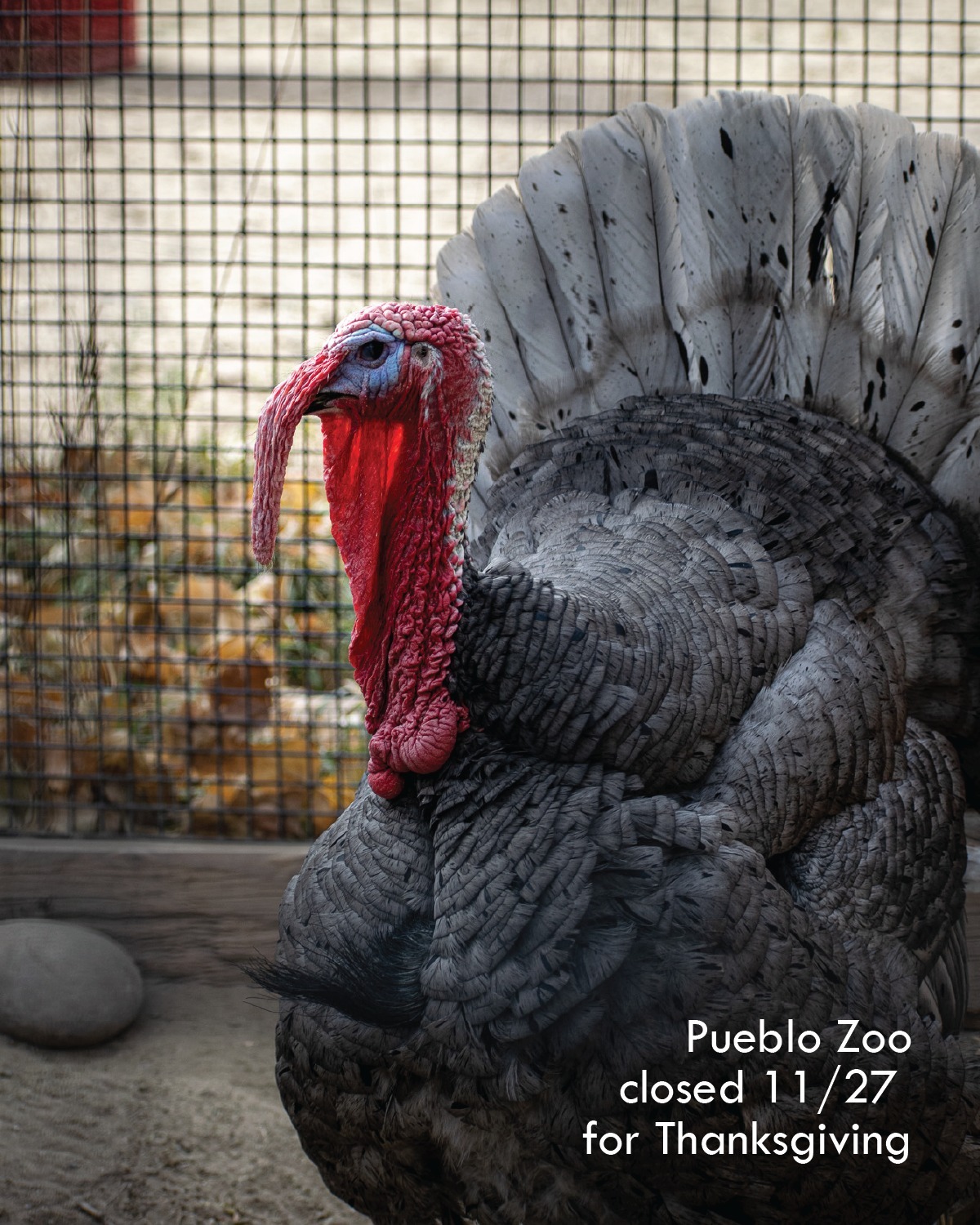
- The cultural significance of Thanksgiving and its connections to wildlife conservation.
- The importance of community support for zoos and conservation efforts.
- How zoos, such as Pueblo Zoo, engage and educate the public about wildlife.
- The role of animals like turkeys in ecosystems and their conservation status.
- Strategies for improving the relationship between people and nature.
Thanksgiving has deep-rooted cultural significance, celebrated across the United States with gratitude and feasting. This holiday, steeped in history, often centers around the traditional Thanksgiving meal, where turkey takes the spotlight. However, if you ask Aragorn, a name familiar to many as fictional royalty, he would likely argue that every day can embody the spirit of Thanksgiving, particularly for the animal kingdom. This perspective sheds light on the interconnectedness of human celebrations and wildlife conservation, as both require acknowledgment of our collective role in preserving the natural world.
In the context of wildlife conservation, it is essential to recognize that each day offers unique opportunities for gratitude and reflection. The Pueblo Zoo, for example, takes the time to appreciate the community that supports it. During the upcoming Thanksgiving holiday on November 27th, the zoo will close its doors, not just to observe the day but to recognize the connection with its visitors. Without community engagement, zoos would struggle to fulfill their mission to protect and conserve wildlife. The relationship between people and animals has become integral to both education and conservation efforts across the globe.
Community support extends beyond regular attendance; it includes active participation in programs, donations, and advocating for wildlife. This support allows facilities like Pueblo Zoo to improve habitats, facilitate breeding programs, and provide educational outreach. Each act of appreciation—be it a visit or volunteer work—strengthens the bond between humans and animals.
Zoos like Pueblo Zoo play an essential role in educating the public on local and global wildlife issues. By providing interactive exhibits, workshops, and guided tours, they create awareness about the importance of biodiversity and conservation efforts. For example, while many know turkeys primarily as symbols of Thanksgiving, they are acknowledged as vital components of their ecosystems. Wild turkeys contribute to their environment through seed dispersal and promoting plant diversity. Understanding the ecological roles of such animals can inspire gratitude and foster a commitment to protecting their habitats.
To illustrate, consider that many people are unaware that wild turkeys, originally native to North America, nearly faced extinction in the early 20th century due to habitat destruction and overhunting. Conservation efforts, including habitat restoration and regulated hunting, have led to a significant resurgence in their population. This recovery illustrates how awareness, education, and community involvement can lead to lasting change. By aligning our daily lives with the principles of conservation, we honor and reflect on the Thanksgiving spirit year-round.
The challenge of fostering a deeper connection between communities and their local wildlife is essential for successful conservation. Programs at zoos aim to instill appreciation for animals through immersive experiences. Engaging the public fosters empathy, which is critical for conservation efforts. By seeing the animals up close, participants begin to view them as more than mere figures of their surroundings. They become part of an ongoing dialogue about preservation—the appreciation of wildlife as a community asset that enriches plurality and biodiversity.
Furthermore, zoos operate as critical rescue and rehabilitation facilities for numerous endangered species. The collective support of the community helps fuel these initiatives. It is important to note that community appreciation manifests in various ways, including participation in conservation activities and support for animal welfare legislation. Active involvement can amplify the message that wildlife conservation is a shared responsibility, allowing future generations to experience the beauty and diversity of animals like turkeys.
The importance of animals, particularly those integral to human traditions like the turkey, cannot be overstated. In addition to their ecological significance, turkeys are also culturally symbolic. For many, they represent abundance and gratitude, aligning perfectly with Thanksgiving ideals. However, this reliance on a single species may overshadow broader conservation issues, emphasizing the need to think holistically about environmental stewardship.
In recognizing and celebrating every species, we create a more inclusive approach to conservation. Animals are interconnected, forming a web where the loss of one impacts many. For instance, the decline of turkeys may indirectly affect species that rely on their habitats. Thus, maintaining turkeys’ populations stabilizes not only their existence but also benefits entire ecosystems.
Long-term strategies for enhancing community engagement in wildlife conservation can vary. Implementing programs that promote both environmental education and entertainment encourages active participation. Activities like “Turkey Day” events or interactive educational booths can draw attention to local wildlife and the issues they face. Likewise, integrating technology through virtual tours or interactive displays can not only support in-person engagement but extend outreach to those unable to visit the zoo.
Furthermore, celebrating animals like turkeys during specific events amplifies their importance within our cultural framework. By linking these creatures to meaningful holidays, we facilitate a connection that transcends zoological facts—transforming appreciation into advocacy. This synergy between culture and wildlife establishes a powerful narrative that showcases the richness of our natural world while emphasizing collective responsibility.
Moreover, as community members reflect on their values—especially during Thanksgiving—individuals can consider how their actions impact wildlife and ecosystems. Simple behavioral modifications can promote conservation, from choosing sustainable food options to participating in local clean-ups. Each step collectively contributes to a healthier environment.
Zoological institutions also regularly engage with conservation organizations. These partnerships enable species recovery strategies, habitat restoration, and global efforts to reduce the threats of climate change on wildlife. This collaborative approach enhances the effectiveness of conservation practices, illustrating the critical role that community and culture play in these efforts.
It is worth noting that the idea of celebrating our wildlife transcends holidays. Recognizing the importance of every species in our ecosystem allows for ongoing dialogue between people and nature. This open communication fosters understanding, empathy, and, ultimately, collective action aimed at conservation.
In observing the interconnectedness of Thanksgiving and wildlife, it becomes clear that engagement must stretch beyond a single day. Daily appreciation for wildlife, community support, and proactive conservation measures are pivotal. The mission of institutions like the Pueblo Zoo is to cultivate lasting relationships with the environment that acknowledges our gratitude for nature.
Overall, as we reflect on what we are thankful for this year—the role of wildlife in our lives, community efforts toward conservation, and the importance of education in fostering appreciation stand out. While the Pueblo Zoo will pause operations on November 27th to celebrate Thanksgiving, the message remains clear: if you ask Aragorn, every day can be Turkey Day through continuous dedication to wildlife and the habitats they define.
In doing so, Thanksgiving evolves into not just a holiday but an everyday practice—one that embraces appreciation and action toward wildlife conservation. Every day is another opportunity to recognize the beauty and significance of our connection with animals, ensuring that future generations inherit a vibrant, thriving ecosystem.
*****
Source Description
If you ask Aragorn, everyday is Turkey Day!
Pueblo Zoo will be closed tomorrow, November 27th, for Thanksgiving. If you were to ask us what we’re thankful for, our answer would be YOU! We are so grateful for our community, and all that you do to support us in our mission to engage, empower, and conserve. What are you thankful for this year?
