
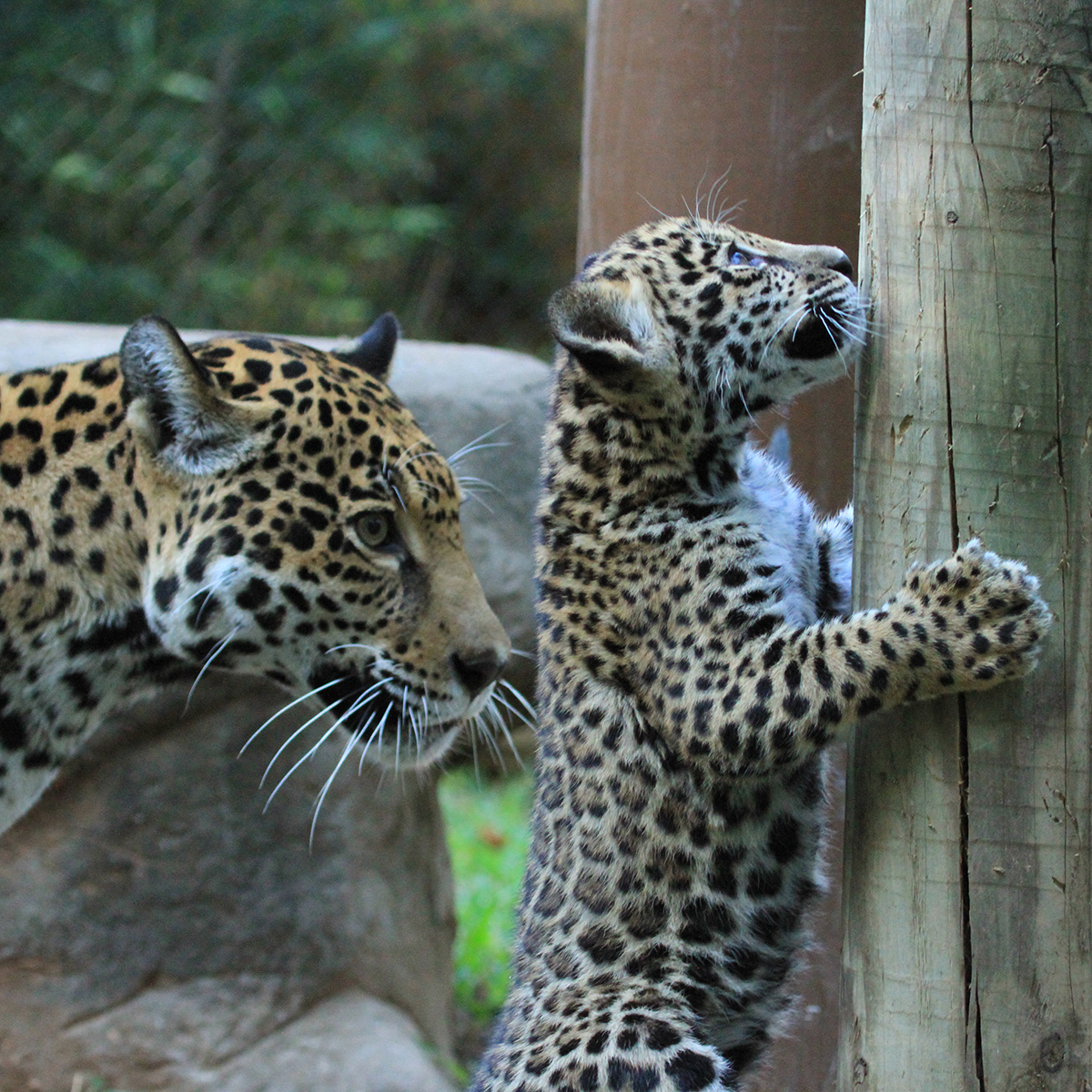
- The foundational bond between Mama Philly and her cub.
- The intrinsic behaviors and learning moments observed in young wildlife.
- The significance of habitats in wildlife education.
- The role of maternal guidance in animal behavior and exploration.
- Conservation efforts and the importance of awareness featuring animals like Mama Philly and her cub.
The foundational bond between Mama Philly and her cub is a captivating aspect of wildlife behavior. In the animal kingdom, such connections are vital for survival and social learning. Mother animals typically provide not only nourishment but also essential life lessons. This nurturing relationship serves as a framework for understanding complex behaviors over time. Cubs learn how to find food, social cues, and even how to protect themselves from potential threats. It’s this bond that shapes the cub’s identity and instincts.
Mama Philly, likely a representation of a species well-adapted to its environment, showcases the natural maternal instincts that many animals display. Through direct observation, we can see how she interacts with her cub. Mama Philly uses vocalizations, body language, and even smells to communicate. This multi-faceted communication helps the cub understand its surroundings and reinforces their bond.
Young animals often exhibit a curiosity mirroring that of human children. In their formative days, they will explore their environment under their mother’s watchful eye. This behavior not only aids in social and cognitive development but is also essential for survival. By mimicking Mama Philly’s behaviors, the cub learns how to forage for food, recognize threats, and navigate challenges within its habitat.
The intrinsic behaviors and learning moments observed in young wildlife underscore the richness of wildlife education. Cubs, like the one accompanying Mama Philly, engage in play, exploration, and observation. These experiences foster essential skills that enhance their survival capacities. For example, when a cub plays with twigs or other animals, it builds motor skills and social understanding.
Moreover, watching Mama Philly can also provide insight into her feeding techniques. Cubs learn to distinguish between edible and inedible items, which is crucial in the wild. A mother’s guidance is not only a protective measure but also an educational one. Observational learning becomes apparent as the cub follows its mama, learning to identify fruits or small animals that contribute to a balanced diet.
The significance of habitats in wildlife education cannot be overstated. The environment in which Mama Philly and her cub are located serves as both playground and classroom. It provides an opportunity for the cub to encounter various stimuli, including sounds, scents, and textures. Each element of this habitat plays a role in shaping the cub’s understanding of its surroundings.
Habitat complexity also influences how well animals can learn. A diverse habitat filled with varied flora and fauna can offer numerous learning experiences. For instance, if Mama Philly leads her cub to a stream, they may find an array of fish and plants, providing instant lessons in foraging materials and nutritional value. Conversely, less complex habitats may limit these enriching experiences.
Exploring varied terrains helps prepare the cub for future challenges. Trained to adapt, the cub learns to navigate obstacles, which is crucial as it matures. Learning where to find water sources and shelter, as well as evaluating risks associated with specific areas, can make the difference between life and death in the wild.
The role of maternal guidance in animal behavior and exploration is profoundly impactful. It’s not enough for a cub to simply observe; active participation is crucial for learning. Mama Philly’s patience encourages exploration while keeping a watchful eye for potential dangers. Her behavior sets a benchmark for the cub to strive towards.
Maternal guidance is not limited to basic survival skills. Mama Philly’s interactions also teach social dynamics, including how to interact with their species and avoid conflict. Observing her behavior teaches the cub about dominance and submission, which can be vital when they eventually socialize with other animals. These lessons extend beyond their immediate habitat, shaping their future behaviors and interactions.
Furthermore, maternal instincts often drive mothers to introduce their young to various experiences progressively. This method of learning ensures that cubs are not overwhelmed while still providing the necessary exposure to understand their world fully. It can be shown through staged interactions—visiting a different part of the habitat, introducing new foods, or encountering other species—each occasion enriching the cub’s knowledge base.
Conservation efforts and the importance of awareness featuring animals like Mama Philly and her cub are increasingly relevant. Observing animals in their natural habitats offers invaluable insights into their behaviors and environmental needs. Education promotes empathy and a deeper understanding of conservation principles.
Wildlife conservation programs frequently use mother-and-cub relationships as focal points for education. They attract the public’s attention and help raise awareness about the challenges faced by wildlife globally, such as habitat loss and climate change. Public interest generated through such revelations can lead to funding, volunteer efforts, and participation in local conservation initiatives.
The presence of species like Mama Philly symbolizes the rich biodiversity that exists in our ecosystems. Raising awareness about their lifestyle and interactions helps protect these animals and ensures that they thrive in their natural environments. Education and advocacy are not just beneficial but essential for combating the threats imposing on habitats.
Moreover, educational institutions and wildlife organizations often leverage such captivating mother-cub dynamics to enhance community engagement. Schools, educational programs, and virtual platforms provide chances to interface with wildlife, offering immersive learning experiences that can inspire action and stewardship toward local and global conservation efforts.
Positioning animals like Mama Philly and her cub at the forefront of wildlife education also reveals the necessity for sustainable practices. By understanding their lives, it becomes evident how human actions impact their existence. Simple lifestyle changes, community initiatives, and advocacy can significantly contribute to upholding the integrity of their habitats.
Materials that accompany wildlife education are essential. Efforts to present clear, scientific data through engaging visuals and narratives help foster a deeper connection with the subject matter. Increased knowledge often translates into action, driving students and audience members to take part in conservation efforts, such as habitat restoration or local wildlife protection.
When communities become involved, change is facilitated. Awareness about world wildlife—including animals like Mama Philly—encourages individuals to view these creatures not merely as subjects for observation but as partners in the environmental conversation. Engaging the community through volunteering opportunities, wildlife tours, or educational talks can build a passionate and informed populace ready to advocate for preservation efforts.
In summary, the bond shared between Mama Philly and her cub is more than a heartwarming image; it’s a representation of vital ecological education. Observing their interactions offers a lens through which we can study wildlife behaviors, learning methodologies, habitat significance, maternal guidance, and conservation efforts. Engaging with and understanding these elements can enrich our experiences and inform broader conservation dialogues. By fostering an appreciation for wildlife and instilling a sense of responsibility, we can contribute to the preservation of not only impressive creatures like Mama Philly but the ecosystems they inhabit.
*****
Source Description
What has Mama Philly and the cub so captivated? 🤔 Whatever it is, our little explorer is learning from the best! It’s heartwarming to see this curious cub follow its mom’s lead as they check out their habitat together.
