
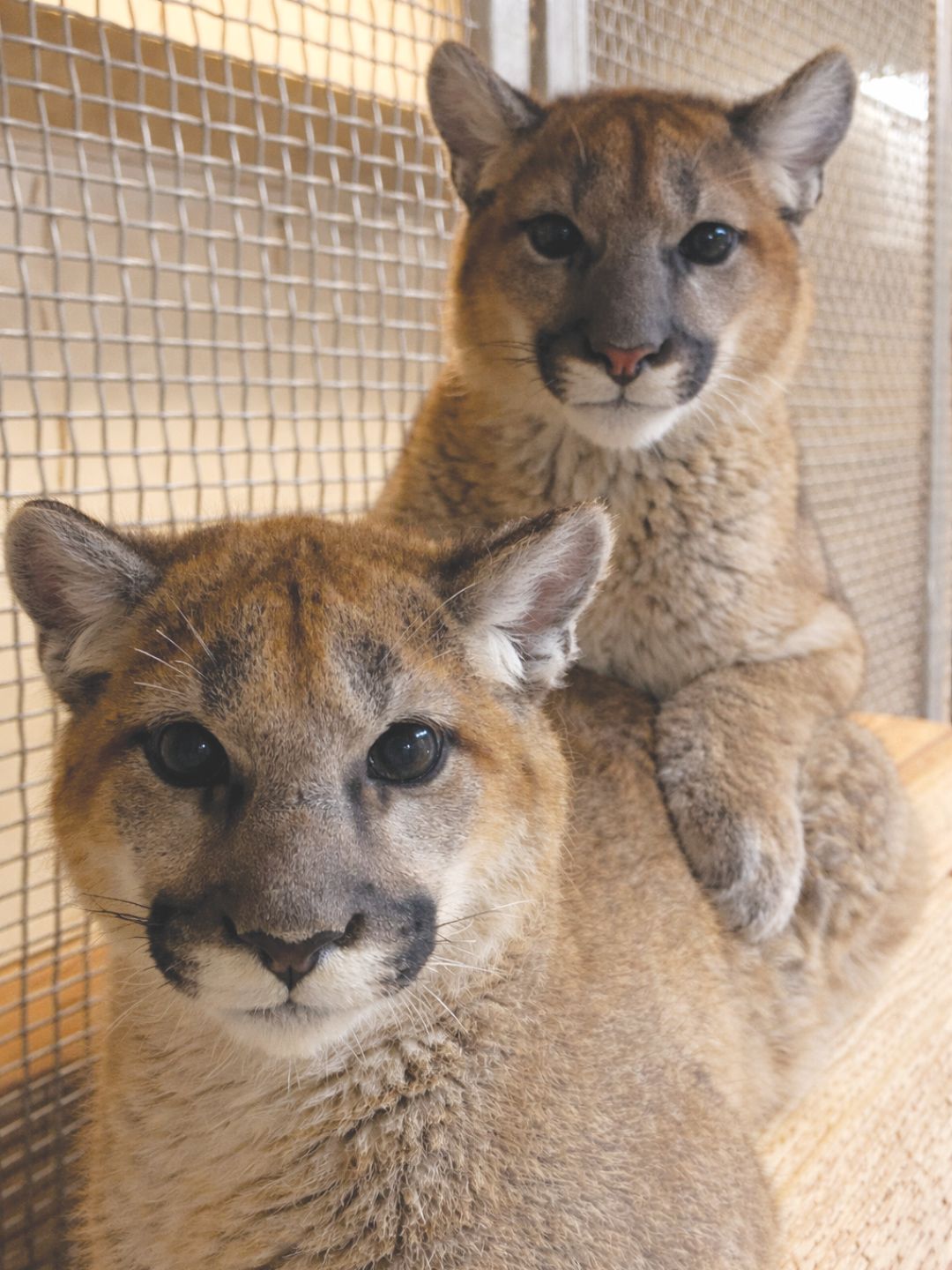
- Introduction of the mountain lion cubs and their background
- The importance of wildlife rescue and conservation efforts
- The acclimatization process and its significance for the cubs
- Community involvement and public engagement opportunities
- Future plans for the cubs at the Desert Museum
The excitement is palpable at the Desert Museum. The announcement of two mountain lion cubs is met with joy and curiosity. These cubs were orphaned in the Pacific Northwest and were too young to survive alone. They were designated as non-releasable and moved into professional care. This type of intervention is essential in wildlife rescue, illustrating how institutions like the Desert Museum play a crucial role in animal conservation.
Wildlife rescue efforts are more vital than ever in today’s society. Urban development, habitat loss, and climate change threaten many species. When animals become orphaned or injured, they require immediate attention. In this case, the mountain lion cubs were fortunate to find care before any further complications arose. Wildlife rehabilitation centers like the Desert Museum are critical in providing care and ensuring these animals have a better chance at survival.
Since their arrival on March 21, these mountain lion cubs have been adjusting well. At approximately five months old, they are strong and thriving. The adjustment period is essential for their overall well-being. Young animals need a stable environment to grow. Behind-the-scenes care involves creating comfort for the cubs as they acclimate to their new habitat. This includes fostering positive relationships with their caretakers and slowly introducing them to various stimuli.
Building comfort in their surroundings not only helps the cubs feel secure but also shapes their behavior. Animals in captivity require specific environments and enrichment activities to thrive. The handling of young wild animals necessitates an informed approach to their care. As such, animal care specialists observe the cubs closely. These observations aid in understanding their individual needs and behaviors. The acclimatization process is ongoing, and no strict timeline is set for when they will debut in a public habitat. The priority remains their health and comfort.
Involving the community in this process enhances the cubs’ journey. The Desert Museum is not just a facility for animal care; it also serves as a hub for public education and engagement. On April 26, during the Museum’s 33rd annual Desert Gala, attendees will have the unique opportunity to bid on the naming rights for these cubs. This event is a fantastic way for the public to connect with the animals and become part of their story.
Community involvement is a crucial element in wildlife conservation. It fosters awareness about the challenges wild animals face. When individuals are actively engaged, they often feel a greater sense of responsibility toward wildlife preservation. Bidding for the naming rights during the gala not only promotes interaction but also supports the Museum’s ongoing conservation efforts. The connection between local residents and these mountain lions sparks interest in broader ecological impacts.
Public engagement activities can take many shapes, from educational talks to interactive exhibits. By increasing awareness about wildlife care, individuals become informed advocates for conservation. Public support ultimately leads to enhanced funding and resources for rehabilitation centers. This creates a positive feedback loop that benefits both animals and their caretakers.
After the acclimatization phase, the plan is to introduce the cubs to a public habitat. The design of this environment will closely mimic their natural habitat while also meeting the necessities of a captive setting. The goal is to create a habitat that enriches the animals’ lives and educates visitors about mountain lions and their behaviors. This educational aspect adds another layer of significance to the cubs’ presence at the Museum.
Understanding the natural behaviors of mountain lions is important for both conservation and community awareness. Mountain lions are solitary creatures known for their agility and strength. They play a vital role in their ecosystems, helping control prey populations. However, misconceptions about mountain lions often lead to conflict between humans and wildlife. Education helps dispel myths and fosters a more respectful coexistence with these animals.
As the cubs prepare to meet the public, the Desert Museum will share updates and adorable moments through social media. This public transparency helps build excitement and anticipation for their debut. It also acts as an educational tool, providing information about mountain lion behavior and ecology.
The journey of these cubs does not end with their acclimation. Ongoing research in wildlife biology informs how conservation centers operate. As more data becomes available, facilities can adjust their practices to ensure the animals receive the best possible care. This adaptive approach reflects a commitment to continual improvement in animal care.
Moreover, the handling and care of these mountain lion cubs encompass a broader scope beyond just care. It includes a continuous assessment of animal health and behavior that guides future decisions. These steps are crucial not only for the mountain lions but for educating the public about wildlife challenges and successes.
The mountain lion cubs are not just resident animals; they serve as ambassadors for their species. Through their story, the Desert Museum can raise awareness about the importance of wildlife conservation and rehabilitation. Their success can inspire others to take action, advocating for the preservation of natural habitats and wildlife welfare.
As these cubs become integrated into the Desert Museum, their story becomes intertwined with conservation efforts that span wider than the facility itself. Each cub plays a role in promoting compassion toward wildlife and the need for responsible stewardship of our natural resources.
In the weeks to come, the interaction between the cubs and the public will evolve. The staff and volunteers are committed to creating a safe and educational experience for all visitors. As the mountain lions mature and adapt, their impact on the community will continue to ripple outwards. They will engage not just as curiosities but as reminders of the delicate balance between human existence and wildlife.
These cubs have already made substantial progress in their developmental journey. With nurturing professional care, they can lead fulfilling lives. The hope is that they will inspire future generations to care for the environment. Through community involvement and engagement, the mountain lion cubs at the Desert Museum emphasize the significance of wildlife conservation.
*****
Source Description
You’ve got to be kitten me right meow! We’re beyond excited to announce our newest residents: Not one, but TWO mountain lion cubs! We’re being so fur real right now.
Orphaned in the Pacific Northwest, these cubs were too young to survive independently, deemed non-releasable and placed under professional care. Since arriving at the Desert Museum on March 21, the cubs have been adjusting well behind the scenes. Now, at approximately five-months-old, the brothers are healthy and thriving.
This dynamic duo is currently acclimating to their new environment. At this stage, their care focuses on building comfort with their surroundings, developing important behaviors, and introducing new experiences (including gradual exposure to people).
This process takes time and is guided by the animals’ individual needs and wellbeing. While no exact timeline has been set, the Museum anticipates introducing the cubs to a public habitat in the coming weeks, once they are ready. Their health, comfort, and long-term success remain the top priority.
As we care for these cubs behind the scenes, YOU have a rare opportunity to become part of their story. For the Museum’s 33rd annual Desert Gala on April 26, we’re offering the chance to bid on the naming rights to these two mountain lion cubs during the live auction.
🐾 Stay tuned for updates, adorable moments, and more details on how to bid for their naming rights.
Photo credit: Mammalogy & Ornithology Keeper Erin
