
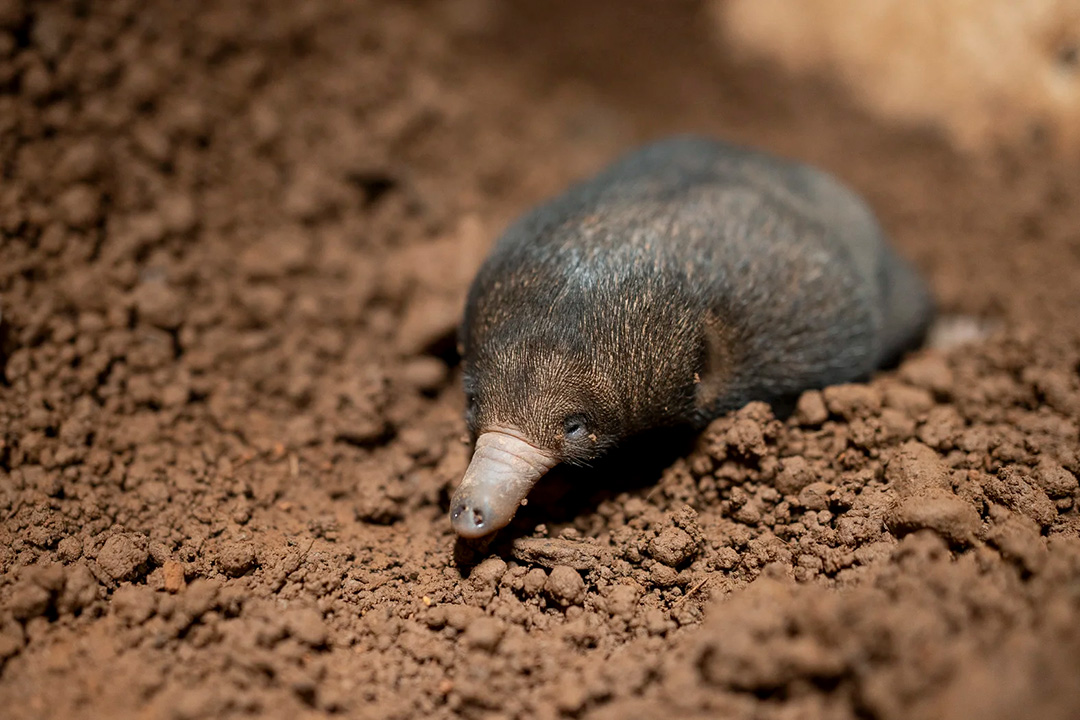
- The significance of Edna the echidna’s puggle at the Columbus Zoo and Aquarium.
- The rare breeding success of short-beaked echidnas in captivity.
- The biology and behavior of echidnas, their unique characteristics, and habitat.
- The conservation efforts and challenges facing echidnas today.
- The role of educational programs in promoting wildlife conservation.
Edna the echidna, a resident of the Columbus Zoo and Aquarium, recently accomplished something extraordinary. She became a proud mother when her puggle hatched, marking a historic achievement in the facility’s timeline. This event is noteworthy not just for Edna but also for the zoological community; it celebrates the successful breeding of a short-beaked echidna, a feat that only a handful of accredited institutions across the United States have managed.
Reproduction in short-beaked echidnas is rare and complex. Their unique reproductive strategies make breeding them in captivity a challenging endeavor. At the Columbus Zoo, dedicated staff members have worked diligently to create an optimal environment for breeding. This includes understanding their mating habits and monitoring the health of both the female and male echidnas involved. Edna and her mate, Elonzo, have been part of the zoo’s Wild Encounters program for years. Their participation in educational activities helps foster a connection between visitors and wildlife, emphasizing the importance of conservation.
Echidnas, often confused with porcupines or hedgehogs, are quite distinct in their biological classification. They belong to the monotreme group, which includes egg-laying mammals like the platypus. Contrary to popular belief, these fascinating creatures share a closer lineage with these duck-billed relatives than with any spiny mammals. Their biological adaptation for surviving in harsh environments includes a spiny exterior for defense and a specialized snout for foraging insects and larvae.
The female echidna carries her egg in her pouch, where it develops and hatches after about ten days. Once born, the puggle is small, hairless, and vulnerable, relying entirely on its mother for nourishment. Edna’s puggle has achieved several critical development milestones since hatching. Growth and survival during the early stages of life are paramount, and the first few months are critical for nurturing and protection. The careful observation of the puggle has allowed zookeepers to ensure it receives the proper nutrition and care.
Conservation status is an ongoing concern for echidnas, primarily due to habitat loss and climate change. As ecosystems shift, the challenges they face become more pronounced. Many habitats have seen significant degradation due to urbanization, agriculture, and other human activities. It becomes essential for zoos and aquariums to play a proactive role in educating the public and contributing to conservation efforts. Programs at the Columbus Zoo help raise awareness about the challenges echidnas face and offer practical insights into how individuals can support conservation initiatives.
The Columbus Zoo’s commitment to wildlife conservation extends beyond just breeding. Through partnerships and funding for research, they participate in greater conservation strategies. These strategies may include habitat restoration projects and advocacy to protect natural habitats from encroachment. The zoo also collaborates with scientific organizations to gather data that can inform better conservation practices.
Educational programs at the zoo serve as critical channels for promoting awareness and understanding of wildlife in danger. Interactions with live animals allow guests to develop a deeper connection with nature. Educational presentations about echidnas, along with other unique species, engage the community and inspire future conservationists. These efforts reflect a commitment to fostering empathy for wildlife, which is a crucial step in promoting stewardship of our environment.
Public engagement through social media and community events amplifies these efforts. Updates about Edna’s puggle, the zoo’s achievements, and insights into the life of echidnas captivate audiences beyond the zoo gates. In turn, this generates interest in conservation and can inspire individuals to learn more about wildlife protection.
The rarity of breeding short-beaked echidnas in captivity presents a collective learning opportunity for zoologists and wildlife managers. Sharing methodologies, challenges, and successes from one facility to another cultivates a community of knowledge that can foster better breeding practices globally. The Columbus Zoo is proud to share its progress with external organizations to contribute to overarching conservation research.
Animal care staff undergo rigorous training to learn about the unique needs of echidnas. This training covers aspects of their diet, habitat requirements, breeding, and general care. Proper management is essential for maintaining the health of both Edna and Elonzo, as well as their offspring. With ongoing education and development, staff members ensure that they are equipped to handle the complex needs of these animals.
The story of Edna and her puggle stands out as a testament to the intersection of wildlife conservation and education. The challenges of breeding short-beaked echidnas are profound, but the success observed at the Columbus Zoo illustrates the potential that exists when dedicated professionals put the welfare of animals first. This story serves as both an inspiration and a critical example of best practices in the field of zoology and conservation.
As far as the future of puggles like Edna’s goes, continued monitoring and support will play a vital role in their development. As Edna’s baby grows, ensuring a safe and enriched environment will remain paramount. Zoos must replicate natural conditions as much as possible, providing varied diets and mentally stimulating activities that keep the animals engaged.
Supporting animals in captivity also extends to their wild counterparts. Initiatives that prioritize habitat restoration and the protection of ecosystems are key in preventing further decline. As public interest in wildlife conservation rises, zoos and aquariums stand in a pivotal position to influence positive change. The case of the Columbus Zoo illustrates how a specific success story can act as a catalyst for broader initiatives and awareness campaigns.
Education serves as a bridge between the world of wildlife and the community. Programs designed to engage visitors of all ages have the potential to cultivate a culture that values biodiversity and ecological health. Engaging storytelling around animals like echidnas can ignite passion for wildlife, leading to increased advocacy and grassroots efforts for conservation.
The narrative of Edna and her puggle adds a rich chapter to the ongoing story of wildlife conservation. It showcases individual success as a symbol of collective effort and determination in the face of various challenges. Central to this endeavor is the recognition that every positive action, no matter how small, contributes to a larger mission of protecting wildlife for future generations. Addressing both immediate needs and long-term strategies for habitats remains a critical path forward.
To ensure that spirits remain high and interest in wildlife stays engaged, continuing this story is vital. The ongoing health and developmental milestones of Edna’s puggle will remain of great interest, not only within the confines of the zoo but also across platforms that advocate for wildlife conservation. Reflecting on these milestones, the petting of a puggle, and sharing stories can galvanize community support for ecological initiatives.
By championing the story of Edna and her puggle, the Columbus Zoo not only highlights a successful breeding program but also emphasizes the broader commitment to protect and understand the animal kingdom. This unified push toward enhancing our knowledge of species like the echidna ultimately strengthens conservation efforts at large and fosters a sense of responsibility in humanity towards wildlife and their habitats.
*****
Source Description
Once upon a time, Edna the echidna had a puggle in her pouch. Now that puggle is thriving! 📖 Columbus Zoo and Aquarium is celebrating an achievement that’s like something out of a storybook…the first successful development of a short-beaked echidna puggle in the facility’s history! 🎉
Only a small number of AZA-accredited facilities in the U.S. care for and even fewer have successfully bred them. 🎯 Since hatching, this puggle has already progressed through several critical milestones.
🦔 Echidnas may remind you of porcupines or hedgehogs, but they are a different creature entirely. 🧬 Even though they may not closely resemble their duck-billed relative, they share the same lineage as the
Both around 14 years old, partners Edna and Elonzo have been part of the @ColumbusZoo’s Wild Encounters program for years, helping guests connect with wildlife through
💡 Want to learn more about echidnas and how is contributing to the collective knowledge surrounding echidna reproduction?🔗 Link in bio!
