
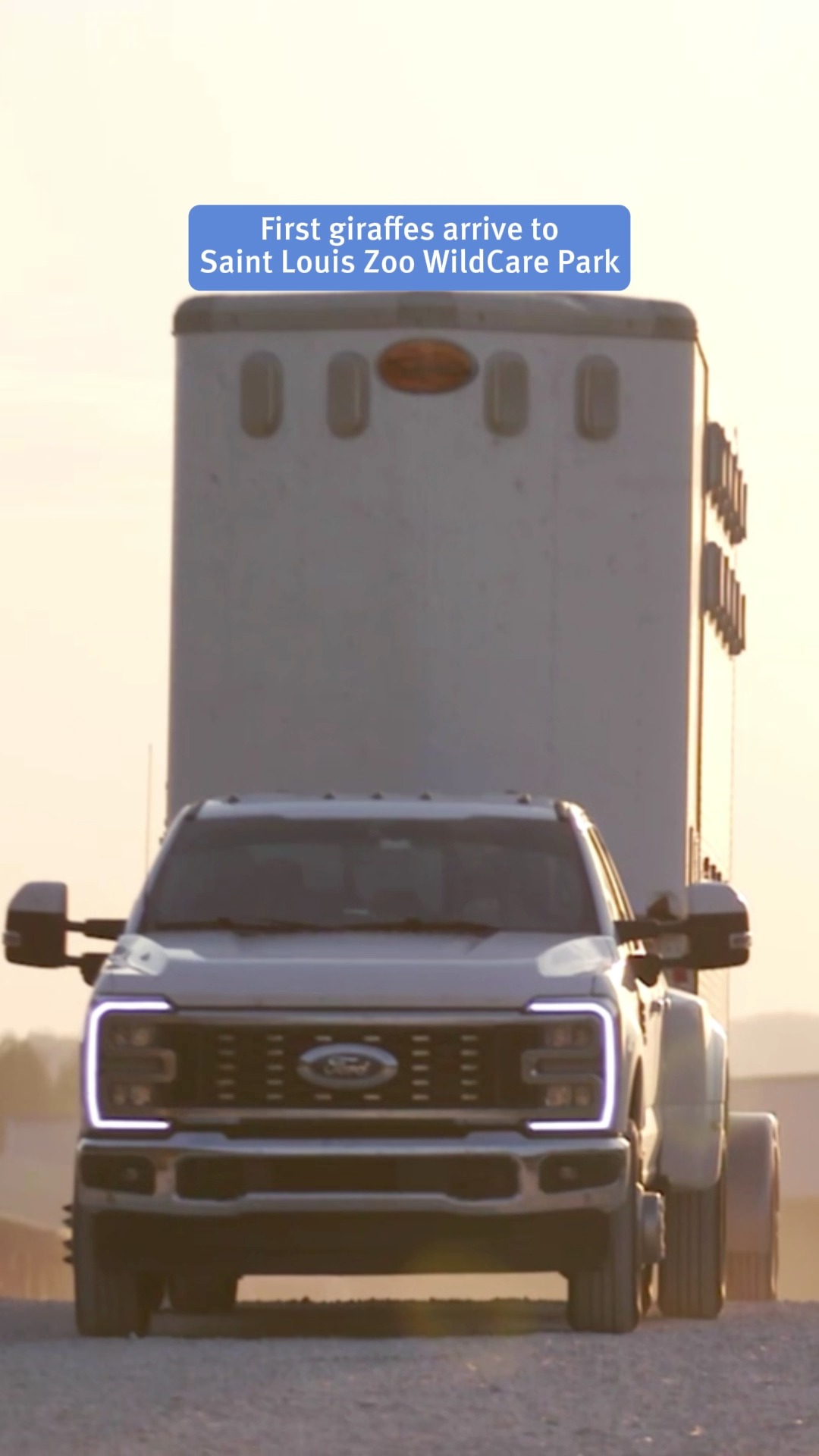
- The introduction of Mo and Daniel, the first giraffes at WildCare Park.
- The significance of WildCare Park as a conservation and tourism site.
- The natural habitat and lifestyle of reticulated giraffes.
- The role of zoos and safari parks in wildlife conservation efforts.
- The anticipated visitor experience at WildCare Park.
The journey begins with the introduction of Mo and Daniel, the first giraffes to call WildCare Park home. These young, reticulated giraffes arrived from Reid Park Zoo in Tucson, Arizona, and The Living Desert Zoo and Gardens in California. Their introduction marks a significant milestone for the Saint Louis Zoo’s new safari park, which is set to open in 2027. This development not only brings an exciting new feature to the zoo but also enhances its mission of wildlife conservation and education.
WildCare Park is envisioned as a comprehensive safari park and conservation center, sprawling across 101 acres. Its design will accommodate a diverse range of species and habitats, aiming to provide state-of-the-art care for animals while simultaneously offering guests an immersive experience. As more giraffes join Mo and Daniel, they will have the chance to explore expansive pastures alongside other animals like zebras and antelopes. This setup is crucial, as it mimics the animals’ natural environment, allowing them to exhibit their natural behaviors.
Reticulated giraffes, scientifically known as Giraffa camelopardalis reticulata, are known for their distinctive coat patterns and long necks. These animals typically inhabit savannas and open woodlands in East Africa. Their height, often exceeding 18 feet, allows them to reach leaves and branches high above the ground, a significant advantage in their natural milieu. A giraffe’s neck consists of only seven vertebrae, the same number as in a human neck, but each vertebra is elongated, contributing to their towering stature. This design is perfectly suited for foraging in trees, demonstrating how evolution can tailor physical attributes to enhance survival.
In their natural habitat, giraffes are social animals, usually forming loose groups. They communicate using a combination of vocalizations and body language, including postures and movements that convey emotions or intentions. In the wild, giraffes feed primarily on leaves from acacia, mimosa, and other trees, a diet rich in nutrients. However, the dietary needs of giraffes in captive settings can be carefully monitored and supplemented with pellets, hay, and fresh fruits and vegetables to maintain their health.
The role of zoos and safari parks in conservation is multifaceted and increasingly crucial in today’s world. WildCare Park aims to contribute significantly to wildlife conservation efforts, providing a space for education, research, and breeding programs that can help bolster at-risk populations. Species like the reticulated giraffe face numerous threats in the wild, including habitat loss, poaching, and climate change. By housing these animals in a controlled environment, zoos can engage in scientific research that informs broader conservation initiatives and habitat restoration projects.
In addition to dedicated conservation work, zoos serve as vital educational platforms. WildCare Park is set to implement programs that will inform visitors about the importance of wildlife conservation and the challenges that giraffes and other species face globally. Guided safari tours at the park will offer guests the opportunity to learn firsthand about these majestic animals in a setting that emulates their natural habitat. Children and adults alike will gain insights into giraffe behavior, social structures, and the ecological roles they play in their ecosystems.
Moreover, the anticipated visitor experience at WildCare Park is designed to be engaging and memorable. With Mo and Daniel as the stars of the safari park, guests will be able to observe these giraffes as they roam freely in a landscape that closely resembles the African savanna. Educational displays and interactive exhibits will enhance understanding and appreciation for these animals and their habitats. Special events, behind-the-scenes tours, and animal encounters will further enrich the experience, allowing visitors to form a personal connection with wildlife.
Alongside promoting conservation and education, WildCare Park aims to stimulate local ecosystems. Its landscape will not only accommodate animal habitats but will also include native plants that support local wildlife. This initiative facilitates a holistic approach to wildlife conservation that respects both local flora and fauna. Sustainable practices in park management, such as water conservation measures and energy-efficient buildings, will demonstrate a commitment to environmental stewardship.
As WildCare Park anticipates its opening in 2027, the arrival of Mo and Daniel signifies a promising start. Their story exemplifies the importance of modern zoos and conservation centers in safeguarding species for future generations. The journey they embark upon at WildCare Park will set a precedent for other facilities aiming to combine animal welfare with visitor engagement.
The introduction of giraffes into the park serves as a beacon of hope. Giraffes are not just impressive for their size and beauty; they are also representatives of a larger ecosystem that needs protection and care. Efforts to preserve their natural habitats and support their populations will require the collaboration of various stakeholders, including wildlife organizations, conservationists, and the general public.
At WildCare Park, Mo and Daniel will not only thrive but will also inspire countless visitors to engage actively in conservation efforts. Through their presence and the stories they embody, these giraffes will play an important role in educating the public about the fragility of ecosystems and the urgent need for collective action to protect them. The future looks promising for these magnificent creatures, and as the park develops, it will also evolve into a significant hub for conservation, education, and community engagement.
In summary, the introduction of Mo and Daniel at WildCare Park points toward a future filled with hope for giraffes and many other species. As one of the first attractions of this new conservation center, these giraffes will undoubtedly draw attention to the importance of wildlife conservation. With innovative approaches to education and conservation, WildCare Park is poised to make a meaningful impact on the lives of both animals and the people who come to experience them.
*****
Source Description
Things are looking up at WildCare Park! 🦒🦒
Meet Mo and Daniel, the first-ever giraffes to make a home at Saint Louis Zoo WildCare Park — our new safari park and conservation center opening in 2027!
These young, reticulated giraffes made the trip this month from Reid Park Zoo in Tucson, Arizona and The Living Desert Zoo and Gardens in California and are settling in well to WildCare Park’s new giraffe barn.
In the months ahead, they’ll be joined by more giraffe friends and will start to explore the park’s 101-acre Savanna Safari pasture. Guests will be able to see many as 10 to15 giraffes roaming alongside zebra, antelope and other species on guided safari tours when the park opens in 2027. We can’t wait for you to see it!
