
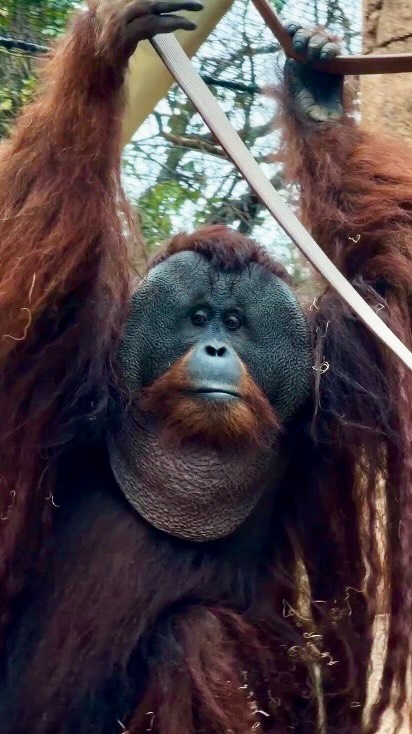
- The significance of the Greenville Zoo’s reopening for wildlife conservation efforts
- Recent improvements and maintenance at the zoo
- The role of zoos in education and public engagement
- Importance of animal welfare in zoological management
- Community involvement and support for local wildlife establishments
The Greenville Zoo’s reopening signals not just a return to regular operations after unexpected closures but also an important moment for wildlife conservation initiatives. Zoos like Greenville play a pivotal role in educating the public about the significance of wildlife preservation. Through their work, they raise awareness about endangered species and habitat loss. The reopening provides a fresh opportunity for renewed commitment to these causes.
Closures due to adverse weather conditions and routine annual maintenance are common in many zoological institutions. Such periods, while challenging, provide the chance for zoos to improve their facilities and enhance the overall experience for visitors and animals alike. During these closures, staff worked rigorously to make necessary adjustments and upgrades. These improvements may include updated enclosures that better mimic natural habitats, allowing for more comfortable and enriching environments for the animals. For visitors, enhancements can range from improved pathways and viewing areas to upgraded educational displays that better communicate the importance of conservation.
Zoos serve as valuable educational platforms. They provide a hands-on experience for visitors who can learn about different species from around the globe. Interpretation signs, guided tours, and interactive exhibits can deepen understanding of wildlife behavior, ecology, and conservation challenges. By witnessing animals up close, visitors often develop a sense of empathy toward these creatures, fostering a desire to protect wildlife and engage in conservation efforts. The Greenville Zoo aims to instill this passion in its guests, thereby contributing to the broader mission of wildlife conservation.
Animal welfare is a cornerstone of effective zoo management. Today’s zoos prioritize not just the physical health of their animals but also their psychological well-being. Enrichment activities, such as providing toys or naturalistic elements in enclosures, help promote natural behaviors. When animals have their needs met and can express their instincts, they are more likely to reproduce successfully, which is vital for species conservation efforts. At the Greenville Zoo, the staff continually assesses and improves animal care protocols to create an environment that meets the highest standards of animal welfare.
Community support and involvement play a significant role in the success of any zoo. The Greenville Zoo caters to local families, schools, and organizations with programs and events designed to engage the community. Such initiatives can range from volunteer programs to educational workshops and family-fun days. Public involvement helps to foster a strong sense of ownership and appreciation for local wildlife facilities. When communities rally around their zoo, they not only support animal care and conservation programs but also contribute to the education of future generations.
The Greenville Zoo’s reopening is not a mere resumption of operations; it represents an opportunity to engage the public in meaningful conversations about wildlife conservation. As patrons come through the zoo’s gates, they can experience firsthand the improvements made during the closures. Every exhibit serves as an educational tool, and every animal as an ambassador for its species. The zoo provides an avenue for discussing pressing issues related to habitat destruction, poaching, and climate change.
Moreover, the facilities strive to meet the highest standards of sustainability. Implementing eco-friendly practices is essential for modern zoos to minimize their ecological footprint. Initiatives can include energy-efficient buildings, water conservation strategies, and waste reduction programs. Such efforts reflect a commitment to protecting the environment, aligning with the overarching principles of wildlife conservation that the Greenville Zoo vigorously advocates.
Engagement with the local community is vital for ongoing conservation initiatives. By offering educational outreach programs, the zoo can bring awareness to issues affecting wildlife globally and locally. School-based programs, for example, engage children not just in learning but in exploring potential career paths in conservation, zoology, and environmental science. The zoo’s partnerships with local schools amplify its reach and impact.
In addition to educational visits, many zoos are increasingly involved in field research and conservation projects. The Greenville Zoo aligns itself with global initiatives aimed at protecting endangered species. Collaborations with universities, non-profits, and wildlife organizations can lead to significant contributions toward habitat restoration and animal rehabilitation efforts. These projects underscore the vital relationship between zoos and wildlife conservation at large.
The staff at the Greenville Zoo are often comprised of experts in various fields, ensuring that all aspects of animal care and education are managed effectively. From zoologists to veterinarians and educators, a multidisciplinary team works together to promote efficient management practices. Their collective expertise enhances the educational outreach and conservation efforts that the zoo provides to its visitors.
Veterinary care is foundational in ensuring animal health. Regular check-ups, vaccinations, and interventions play a substantial role in preventing disease and addressing health concerns. The Greenville Zoo’s veterinary team utilizes cutting-edge techniques to keep the animal population healthy. They also conduct research that contributes to better understanding animal disease management on a broader scale.
Visitors can expect to see enclosures that not only look inviting but also serve functional purposes. The Greenville Zoo has made significant investments in habitat design. Naturalistic enclosures encourage animals to engage in behaviors more typical of their wild counterparts. More than aesthetics, such designs play a role in the psychological health of the animals.
Maintaining a well-balanced ecosystem within the zoo is essential. The introduction of different species into certain habitats can create a more dynamic and interactive environment. Mixed-species exhibits, carefully planned, allow for exploration of symbiotic relationships in the wild. This educational aspect enriches the visitor experience, showing how interdependent species can thrive together.
The return of visitors after a lengthy closure emphasizes the strong connection between humankind and wildlife. With ongoing global challenges related to biodiversity loss, education becomes increasingly important. The Greenville Zoo provides an accessible venue for people of all ages to connect with animals and understand ecological principles. Such interactions often inspire visitors to become active participants in wildlife conservation, whether through advocacy, volunteering, or simple lifestyle choices that respect the environment.
In recognizing the importance of climate change, zoos play a role in advocating for more sustainable practices. Educational programs often address how individual actions contribute to broader environmental concerns. The staff at the Greenville Zoo encourages visitors to reflect on their own habits and consider how they can make positive changes.
As the Greenville Zoo reopens, it embodies more than just a collection of animals; it represents a commitment to the ongoing battle against wildlife extinction and habitat loss. The enthusiasm of the staff, the excitement of the animals, and the acknowledgment of the audience all contribute to a shared mission of wildlife conservation. Visitors leave with not only memories but also knowledge about the critical state of the planet’s biodiversity.
Equipped with the latest knowledge in zoological practices and animal behavior, institutions like the Greenville Zoo remain at the forefront of conservation advocacy. Each interaction, whether through observing animals or participating in educational programs, all aim to deepen the understanding of wildlife and the importance of conservation measures.
The reopening of the Greenville Zoo marks a pivotal moment for wildlife conservation. Enhanced facilities, dedicated staff, and community engagement all play essential roles in promoting an understanding and appreciation of the natural world. Through these collective efforts, the zoo stands as a beacon for those passionate about animal welfare and ecological stewardship. As the gates open, the message is clear: supporting zoos is a vital step in protecting our planet’s biodiversity.
*****
Source Description
🙉 Have you heard? The @greenvillezoo reopens Saturday.👏🏽 After closures due to weather and then annual maintenance, the staff and the animals are ready to welcome you back! 🦒🐢🐆 Before you head on over, take a look at the improvements they made. ⬇️
