
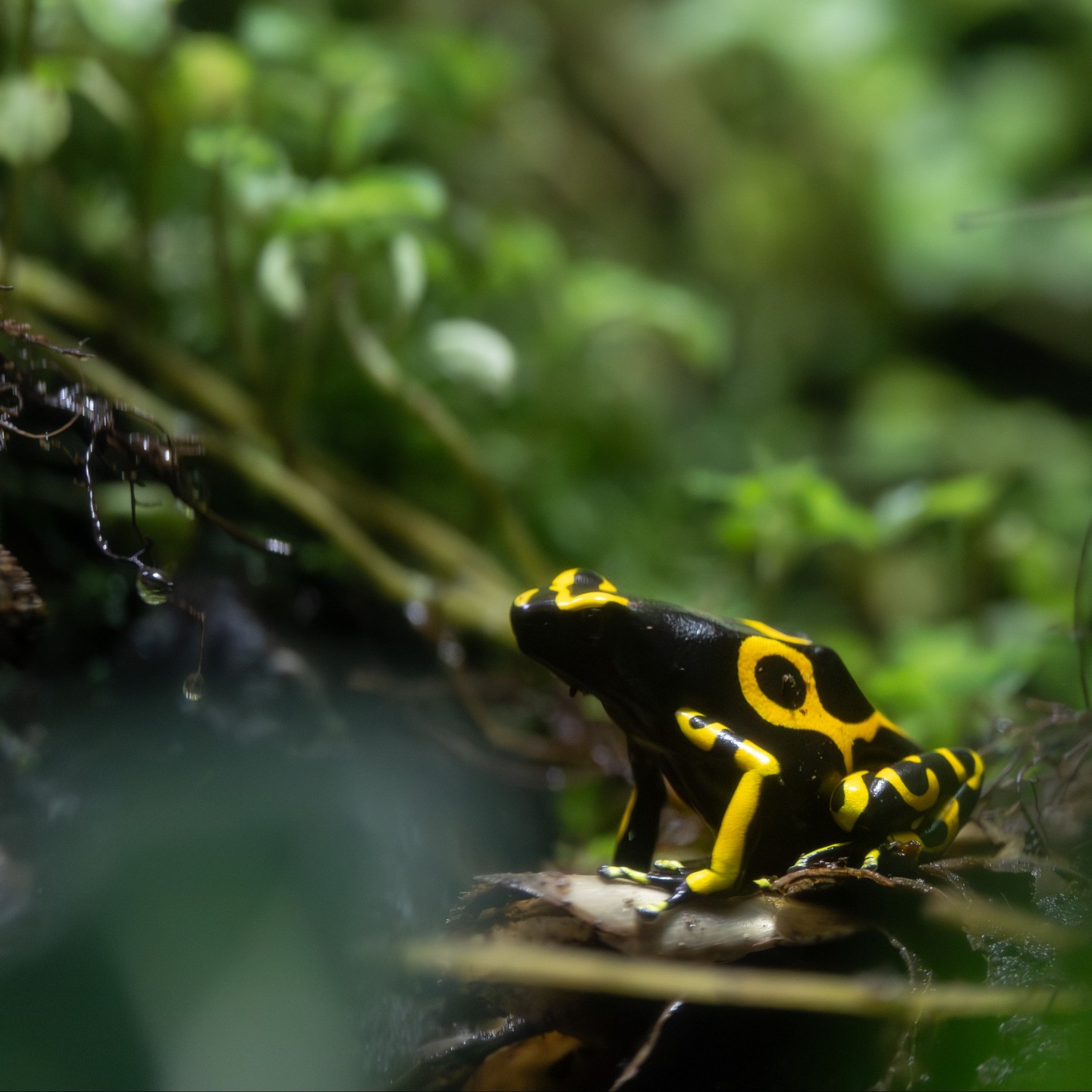
- The relationship between the diet of wild poison dart frogs and their toxicity.
- Key anthropods contributing to the toxicity of poison dart frogs.
- Controlled non-toxic diets and their impact on frog toxicity.
- Conservation implications regarding the dietary habits of poison dart frogs.
- Challenges in studying and preserving these amphibians.
The poison dart frog, with its vivid colors and small size, is a fascinating subject in zoology. However, its toxicity is a critical aspect that influences its survival and ecological role. The toxicity of wild poison dart frogs is intrinsically linked to their diet. These amphibians do not synthesize their own poisons; rather, they acquire these toxic compounds through the consumption of specific anthropods found in their natural habitats. Understanding this relationship enhances our knowledge of these animals and can inform conservation efforts.
The diet of poison dart frogs primarily consists of various small invertebrates, notably ants, termites, and other arthropods. Many of these prey items possess alkaloids and other toxic compounds that the frogs accumulate. These specific compounds from their diet are what make the frogs toxic to potential predators. Different species of poison dart frogs may ingest unique combinations of these anthropods, leading to variations in toxicity levels among species. Some species may be exceptionally poisonous, while others exhibit much lower toxicity. This variation highlights the ecological differences and adaptations that exist within the poison dart frog lineage.
Research indicates that the alkaloids found in the diet of poison dart frogs play a crucial role in the frogs’ toxicity. For instance, the Phyllobates genus is often highlighted for its extreme toxicity. These frogs consume certain species of ants from the Formicidae family, which contain potent alkaloids. As the frogs digest these ants, they absorb the toxic compounds, subsequently making them dangerous to predators. The cross-sectional studies of these frogs show a clear correlation: as their diet varies in terms of the types and quantities of poisonous prey, so too does their toxicity. This information underscores the importance of dietary choices in shaping the biological characteristics of these amphibians.
Controlled experiments with poison dart frogs have brought to light the connection between diet and toxicity. In laboratory settings where frogs are provided with non-toxic diets, their toxicity levels significantly decrease over time. It demonstrates that these amphibians lose their potent defensive capabilities without the specific toxic meals they typically consume in the wild. The removal of these alkaloids from their systems through a controlled diet signifies that the frogs do not produce toxins independently. Instead, they rely heavily on their dietary intake for their well-known poisonous traits.
This finding has profound implications not just for understanding the biology of poison dart frogs, but also for conservation practices. As habitat destruction and climate change threaten the ecosystems that these frogs inhabit, the availability of their key food sources is at risk. A decline in specific invertebrate populations due to environmental changes can have a cascading effect on poison dart frogs. Without access to their necessary prey, these amphibians might experience decreased toxicity, which could hinder their survival in the wild. Therefore, conserving their habitats and the biodiversity within them is essential for maintaining the ecological balance.
Moreover, poison dart frogs are also important indicators of environmental health. Their sensitivity to changes in the ecosystem makes them valuable in assessing the state of their habitats. If their usual food sources are depleted due to pollution or habitat destruction, it can serve as a warning sign of broader ecological issues. Protecting these frogs often means protecting entire ecosystems, highlighting the connection between their dietary needs and the overall health of their habitats.
Studying these frogs poses a unique challenge for researchers. Their bright coloration serves as both a warning to predators and as an attractor for scientists. However, capturing and observing these amphibians in their natural habitats can be intricate. Accessing remote areas where certain species thrive requires careful planning and respect for the environment. Field studies must be meticulously designed to minimize disturbance to these delicate populations.
Monitoring the effects of climate change also presents complexities. Alterations in temperature and precipitation can impact not only the frogs but also the invertebrates they feed on. Changes in rainfall patterns, for example, can affect the availability of specific types of anthropods. This unpredictability makes long-term studies essential for understanding how poison dart frogs will adapt (or struggle to adapt) in an era of rapid ecological shifts.
In zoos and aquariums, breeding programs often aim to maintain captive populations of poison dart frogs. However, the challenge is replicating natural conditions to sustain their unique diets. Many institutions work with entomologists to cultivate suitable food sources, ensuring that the frogs receive appropriate nutrition that mimics their wild diets. Providing non-toxic diets might be insufficient when it comes to ensuring they maintain their unique toxic traits. The detailed understanding of their nutritional needs guides these efforts to promote healthy and biologically effective breeding programs.
Despite their vibrant appearance, poison dart frogs carry significant ecological implications. Their role in the food chain is vital, as they control insect populations in their habitats while also serving as prey for larger animals. Understanding the dietary requirements of these frogs helps inform broader conservation strategies that benefit multiple species. Effective conservation should encompass not only protection for the frogs themselves but for the intricate ecosystems they inhabit.
Environmental education plays a key role in conservation efforts surrounding poison dart frogs. Raising awareness about their unique biology and the importance of dietary factors fosters a greater understanding of their conservation status. Engaging communities in conservation initiatives encourages a sense of stewardship over local habitats, which, in turn, benefits both the frogs and other wildlife.
As scientists continue to explore the linkage between diet and toxicity in poison dart frogs, further research will yield even greater insights. The findings could lead to a deeper understanding of toxicology and potential applications in medicine. Learning from nature informs innovations, and the exploration of the poison dart frog’s toxic compounds may one day contribute to important medical discoveries.
In summary, understanding the toxicity of wild poison dart frogs enhances knowledge not only about their biology but also highlights the importance of dietary factors in their ecology. Their reliance on a specific diet composed of toxic anthropods illustrates the interconnectedness of species within ecosystems. This connection serves as a reminder of the delicate balance within natural habitats and the importance of conservation efforts aimed at preserving both the frogs and their ecological communities. As we look toward the future, the lessons learned from poison dart frogs will serve as a valuable reminder of the intricate relationships that sustain life on Earth.
*****
Source Description
The toxicity of wild poison dart frogs is directly linked to their diet. The don’t create their own toxins, instead getting them from anthropods that they consume on the forest floor. When these frogs receive controlled non-toxic diets, they lose their toxicity.
