
- The importance of African penguins in biodiversity and conservation.
- Details about the recent hatching of an African penguin chick at Mystic Aquarium.
- The significance of breeding programs in zoos for endangered species.
- Behavioral and dietary needs of African penguins.
- The role of public engagement and education in wildlife conservation.
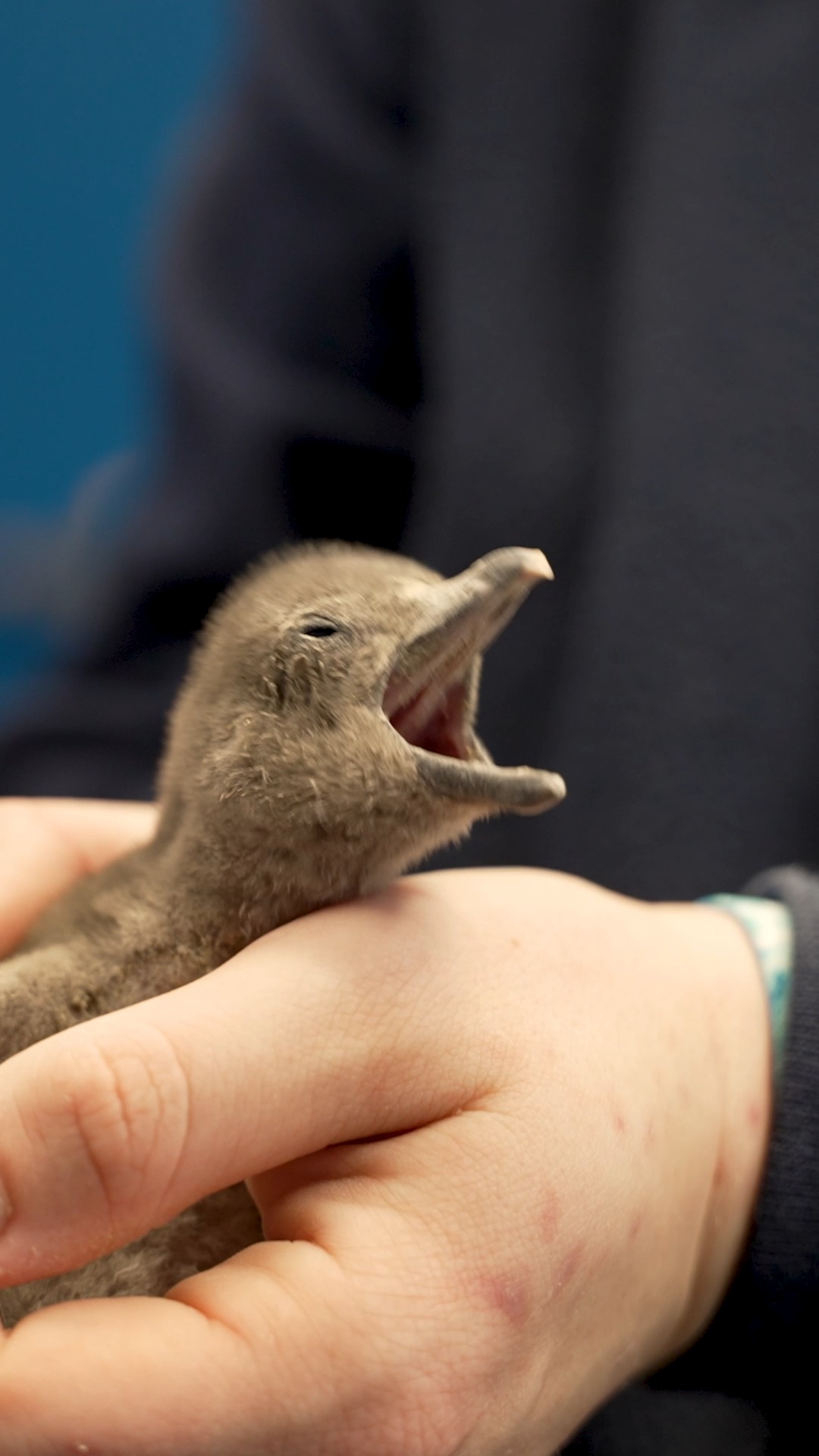
The African penguin, a species native to the southwestern coast of Africa, has become a symbol of the struggle for wildlife conservation and biodiversity. These charming birds thrive in a unique coastal habitat, characterized by specific environmental and social needs. Recent developments at Mystic Aquarium highlight the importance of breeding, education, and public engagement in ensuring the survival of endangered species. The aquarium recently welcomed a new African penguin chick, joining two earlier hatchlings from this year. This addition is critical, considering the ongoing threats to African penguin populations worldwide.
The plight of the African penguin is concerning. Once abundant along the coasts of South Africa and Namibia, their population has dramatically decreased due to habitat destruction, climate change, and human interference. As of recent estimates, fewer than 50,000 individuals remain, prompting the International Union for Conservation of Nature (IUCN) to categorize them as Endangered. This status underscores why every new chick born in captivity is significant for genetic diversity and overall population health. Breeding programs at zoos and aquariums play a vital role in species conservation, focusing on increasing the number of individuals to safeguard against extinction.
The recent hatching of an African penguin chick at the Mystic Aquarium is a noteworthy achievement in these conservation efforts. Each hatch adds to the genetic diversity of the captive population, aiding in future breeding success. It also strengthens partnerships between institutions dedicated to wildlife conservation. The additional chick joins two others that arrived earlier this year, making it a season of hope for the African penguin colony at the aquarium.
African penguins exhibit fascinating behaviors that revolve around social interactions and parenting. Breeding occurs during specific months each year, allowing for synchronized hatching. Both parents share responsibilities in incubation and care, demonstrating a high level of commitment unusual for bird species. The chick relies heavily on its parents during the initial weeks of life, receiving warmth and nourishment. Fascinatingly, within a few months, these chicks will develop the distinctive adult plumage that helps them camouflage in their ocean environment.
Dietary needs are also a central consideration for the health of African penguins. In the wild, they primarily feed on fish, squid, and crustaceans. Captive diets often mimic this with high-quality fish, supplemented by vitamins and minerals to ensure optimal health. Monitoring feeding habits and growth is essential, especially during the early stages of a chick’s life. Aquarists at Mystic Aquarium diligently track the dietary intake of the new chick to provide the necessary nutritional support, reinforcing a strict feeding regimen.
Public engagement is pivotal for the success of conservation initiatives. Institutions like Mystic Aquarium act as critical platforms for educating the public about the challenges faced by African penguins and similar species. Interactive exhibits, feeding demonstrations, and educational talks help cultivate awareness and compassion for wildlife. Visitors can observe these delightful birds in their habitat and learn about the efforts underway to protect them and their environments.
Zoos and aquariums serve not just as places of recreation but as vital resources for conservation science. Engaging the public through such initiatives can foster a sense of urgency and responsibility toward wildlife preservation. Conservation programs often emphasize how individual actions can positively impact endangered species. As the African penguin population continues to fluctuate, public support becomes increasingly crucial.
The significant role of African penguins in their ecosystems can also not be overlooked. As apex predators, they help regulate fish populations, thereby supporting the health of marine ecosystems. Their decline disrupts the natural balance, further emphasizing why their conservation is necessary. Efforts at aquariums and scientific institutions, including breeding programs, aim to stabilize these populations, contributing to broader ecosystem health.
Mystic Aquarium’s dedication goes beyond just breeding. Ongoing efforts include habitat restoration projects aimed at preserving the natural environments where these penguins reside. The commitment to a holistic conservation approach raises awareness about the interconnectedness of species and habitats.
The advancements in aquarium management, including the development of enriched environments and expert care routines, demonstrate how zoos have evolved in their practices. The insights gained from breeding programs are directly applicable to field conservation initiatives. Knowledge of genetic diversity, social behaviors, and ecological needs informs strategies to preserve wild populations.
The importance of research in these initiatives cannot be overlooked. Collaboration among zoologists, marine biologists, and conservationists leads to innovative approaches to wildlife management. Studies on African penguins extend beyond their breeding in captivity, including understanding their behavior in the wild, migratory patterns, and impacts of climate change on their habitats.
Specialized training for staff ensures the utmost level of care for the animals. Training for caregivers at Mystic Aquarium includes understanding the behaviors and needs of African penguins. This level of education is essential for all personnel involved in the breeding program. Health monitoring protocols aim to detect early signs of disease or stress, crucial for any breeding efforts.
Monitoring the chicks’ growth and development provides not only care insights but also contributes to academic research. Data regarding the health and well-being of the African penguin chicks can offer broader implications for the species’ survival. Each successful hatching and chick rearing is analyzed to refine techniques that can be utilized in the future.
An essential aspect of these conservation efforts is funding. Financial support enables the continuation and expansion of breeding programs. Donations from the public contribute directly to the resources needed for veterinary care, nutrition, and research. Community involvement, including volunteer opportunities, further strengthens the relationship between wildlife institutions and the public.
The African penguin serves not just as an emblem of myriads of species in peril, but also as a source of joy and fascination for visitors. The playful nature of these birds captivates audiences of all ages, providing opportunities for shared experiences that foster a love for wildlife. Such emotional connections can motivate people to take action in their daily lives, ultimately contributing to conservation.
Education efforts at Mystic Aquarium extend beyond just the African penguin. They encompass broader themes of marine conservation, highlighting issues such as pollution and overfishing that affect the penguin’s natural habitat. By fostering awareness about these challenges, aquariums can prepare future generations to advocate for environmental stewardship.
Programs that include educational workshops, participation in local conservation efforts, and visitor awareness campaigns enrich interactions with wildlife. Guest speakers often share insights into the scientific and practical aspects of conservation, bridging the gap between the public and ongoing research.
Amid growing environmental challenges, the successful birth of another African penguin chick at Mystic Aquarium offers a glimmer of hope. These hatchlings symbolize the collective efforts of conservationists, aquarists, and the community. Each chick reinforces the importance of nurturing biodiversity and the ongoing commitment required to protect wildlife.
The presence of African penguins in captive breeding programs promotes not only species survival but also empowers conservation efforts on a global scale. The ongoing success stories from aquariums and zoos can enact significant change in wildlife policies and inspire similar initiatives worldwide. By fostering connections through education and engagement, the importance of preserving these remarkable birds can resonate across broad audiences.
As humans continue to impact the environment, the fate of species like the African penguin hinges on proactive conservation efforts. Each new chick, like the one recently welcomed at Mystic Aquarium, encapsulates the hope and urgency needed to buttress wildlife conservation initiatives. The dedication of institutions committed to safeguarding African penguins will remain essential as we move forward in an increasingly complex world.
*****
Source Description
We have more egg-citing news!! We recently welcomed another African penguin chick to the Mystic Aquarium colony! This chick joins the two other chicks that hatched earlier this year!
