
- The reintroduction and recovery of the American Red Wolf.
- Early developmental milestones of American Red Wolf pups.
- The significance of mobility in young canids.
- Conservation and management strategies for the American Red Wolf.
- Community engagement and education regarding American Red Wolves.
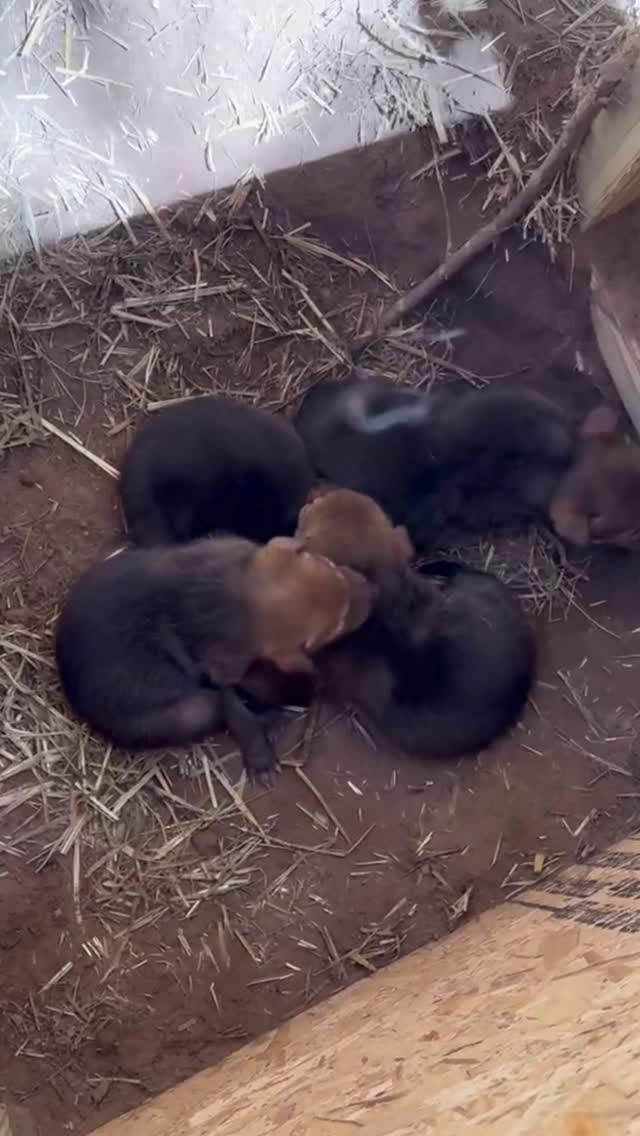
The American Red Wolf (Canis rufus) is one of North America’s most endangered canids, once roaming the Southeastern United States. In the last few decades, these wolves have become a focal point of conservation efforts due to their dwindling numbers, primarily due to habitat loss and targeted extermination. A recent “pupdate” observes the exciting development of American Red Wolf pups becoming more mobile, showcasing their growth stages that are critical for survival. Exploring this dynamic highlights the vital steps towards recovery and informs the public about why such initiatives are necessary.
Early stages of development for American Red Wolf pups are pivotal for their future survival. From birth, wolf pups rely heavily on their mothers for nourishment, warmth, and protection. This dependency gradually shifts as the pups grow. At around three weeks, during this current “pupdate,” these pups begin to lift their heads and wiggle around, marking a significant turning point in their development. This phase indicates that they are developing muscle coordination and beginning to explore their surroundings, both essential skills for hunting and social interactions as they mature.
Within the first two months, American Red Wolf pups typically show a progressive increase in mobility and strength. They start to stand up and crawl, gaining the confidence to move smaller distances. Social learning occurs during this time, primarily through play, which helps them develop hunting skills, establish dominance hierarchies, and learn pack dynamics. Observing the pups’ movements not only reflects their health but also encapsulates a broader narrative of species recovery.
The development of mobility among these young wolves is vital for several reasons. For one, mobility is essential for the establishment of territory. Red Wolves need to learn how to navigate their environment, both to find food and to escape potential threats. Their increased activity signals that they are ready to engage with their social groups, which is fundamental for pack cohesion. Young wolves that participate in social play reinforce bonds that will be crucial for their survival and social stability within their packs.
In addition, mobility encourages mental stimulation. Canids are innately curious, and by exploring their surroundings, they gather crucial information about their habitat. This includes understanding the scents of other animals, identifying potential food sources, and recognizing safe spaces. All of these experiences contribute to their cognitive development and adaptability as they transition into adulthood.
As American Red Wolves face the harsh realities of a declining population, conservation efforts have been initiated to bolster their numbers and redistribute them throughout their historical range. Many organizations focus on breeding programs that ensure the genetic viability of the species. Continuous monitoring allows wildlife professionals to track the health and behaviors of pups, guiding them as they grow into adults.
Management strategies for protecting American Red Wolves are complex and often require collaboration among various stakeholders. Key efforts include habitat restoration and the establishment of safe corridors connecting their fragmented territories. In some instances, direct interaction with the local communities is essential to address human-wildlife conflicts. Raising awareness about the ecological importance of Red Wolves leads to increased community support, ensuring that the necessary resources are allocated for their protection.
Educators and conservationists are tasked with fostering a deeper understanding of species like the American Red Wolf. Engaging presentations, school programs, and informative materials help demystify the role of predators in ecosystems. Wolves play a fundamental role in maintaining balance within their habitats by controlling prey populations, thereby allowing for vegetation to thrive. This ecosystem service highlights the interconnectivity between various species and the importance of preserving biodiversity.
The education of the public on the plight of the American Red Wolves has a direct impact on conservation efforts. Local communities and global audiences alike can contribute to grassroots initiatives through volunteering, donations, or simply advocating for justice in conservation policies. By creating an informed public, the success of ongoing projects seeking to restore the American Red Wolf population becomes achievable.
With the pups becoming more mobile, their growth reflects ongoing wildlife conservation efforts. Each step they take strengthens the hope for the American Red Wolf’s future. Observing these young wolves and their journey through the early stages of development serves as a reminder of the challenges faced by numerous species globally. Human intervention, from breeding programs to habitat protection, plays a crucial role in counteracting the negative impacts of habitat destruction and climate change.
Furthermore, the significance of such conservation endeavors extends beyond American Red Wolves. They offer insights into broader ecological dynamics, highlighting how various species adapt and survive. Such reflections provide knowledge applicable to other threatened species and ecosystems across the globe. By understanding the particulars of behavior, social structures, and mobility in young canids, better conservation tactics can be developed that apply universally.
Monitoring the development of the American Red Wolf pups is a testament to the resilience of wildlife in recovery. Increased mobility among the pups not only indicates their physical growth but also intertwines with larger narratives about species survival, habitat conservation, and community engagement. Each little “pupdate” not only illustrates the present state of these pups but also serves as an essential reminder of the critical steps needed for effectively managing and preserving endangered species.
Addressing the plight of the American Red Wolf holds significant educational value. Their story is not confined to mere facts and figures but is interwoven with themes of resilience, adaptation, and hope. The journey from dependency to independence seen in these pups resonates deeply within conservation circles. Understanding these elements cultivates a sense of stewardship among individuals, inspiring action for wildlife protection.
Engagement in the plight of the American Red Wolf demonstrates a broader commitment to environmental stewardship. By advocating for sustainable practices and supporting organizations dedicated to conservation, communities play an active role in the survival of not only the Red Wolf but also countless other species facing extinction.
Encouraging active participation with such initiatives informs individuals about our interconnectedness and the impact of our choices on wildlife. Every small action contributes to a larger goal of fostering biodiversity and safeguarding the planet for future generations.
As we observe the continued development and increased mobility of the American Red Wolf pups, we bear witness to the ongoing partnership between humanity and nature. Conservation is not a solitary endeavor; it requires collective effort, supported by science, community engagement, and unwavering commitment to preserving the intricate tapestry of life on Earth.
Through sustained efforts in research, education, and activism, the narrative of recovery continues to unfold. The resilience of the American Red Wolf serves as a beacon of hope, urging us forward in the critical work of conservation. For each “pupdate,” we receive, we are reminded of our responsibility and our role in creating a world where such magnificent creatures can thrive once more.
*****
Source Description
Just a little “pupdate!” The American Red Wolf pups are becoming a bit more mobile. They’re much squirmier than before and are starting to lift their heads and wiggle around, as you can see in the video clip. They’re growing and developing exactly as they should be!
