
- The significance of the southern mountain yellow-legged frog in California’s ecosystems.
- Details of the recent release effort carried out by the L.A. Zoo in the San Gabriel Mountains.
- The collaborative approach taken by various organizations to enhance conservation efforts.
- The breeding process and challenges faced in maintaining the southern mountain yellow-legged frog population.
- The broader implications of amphibian conservation for ecological health.
The southern mountain yellow-legged frog plays a vital role in California’s ecosystems. As both predator and prey, these frogs contribute significantly to the food web. They control insect populations and serve as food for various birds, mammals, and fish. This delicate balance is essential for maintaining ecological integrity in the mountainous regions of California.
Historically, the southern mountain yellow-legged frog thrived in clear alpine streams and lakes across its native habitat, found primarily in the Sierra Nevada and the San Gabriel Mountains. However, over the past few decades, populations have dwindled alarmingly due to habitat loss, pollution, climate change, and the introduction of non-native species. The decline of these frogs is troubling, as their presence is an indicator of environmental health. Given their sensitivity to changes in their habitat, the status of the southern mountain yellow-legged frog often reflects broader ecological issues, signaling challenges that may affect other species.
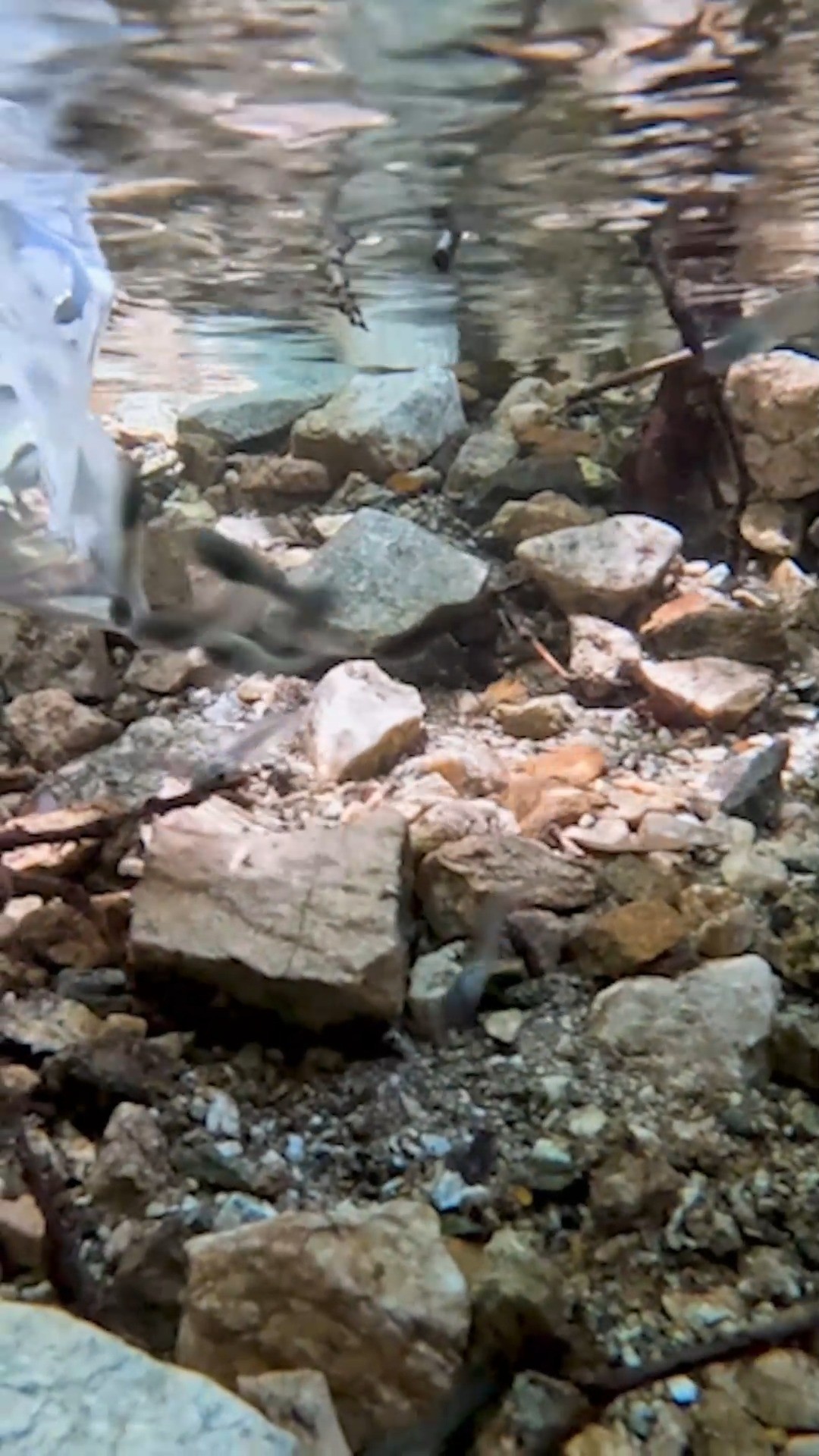
Recently, an important initiative took place in the San Gabriel Mountains involving the release of 450 tadpoles and 193 subadult frogs. This effort was led by the United States Geological Survey (USGS) in collaboration with the L.A. Zoo. The tadpoles and frogs released into the cold mountain streams represent a concerted effort to restore this endangered species to its natural habitat. With the exception of 38 frogs rescued in 2024, all were bred at the Los Angeles Zoo, highlighting successful breeding programs dedicated to reviving this population.
The release event itself is a commendable example of multi-organizational cooperation. Collaboration is an essential element of successful species recovery strategies. Organizations like the USGS, the L.A. Zoo, and various environmental groups work in tandem to gather data, share resources, and implement effective action plans. Each entity plays a specific role; while the L.A. Zoo specializes in breeding and raising these amphibians, the USGS provides vital scientific knowledge and tools necessary for survival. The release into the San Gabriel Mountains is a testament to their unified determination to save the southern mountain yellow-legged frog, showcasing how teamwork can amplify the effectiveness of conservation efforts.
Breeding programs for amphibians, particularly for endangered species like the southern mountain yellow-legged frog, face multiple hurdles. Captive breeding must replicate natural processes as closely as possible. Water quality, temperature, and dietary needs are critical elements to consider. The L.A. Zoo has implemented rigorous protocols to maintain optimal conditions. For example, they monitor water chemistry meticulously to ensure it aligns with conditions found in the frogs’ natural habitat. Food sources are also crucial; tadpoles and frogs require specific types of algae and insects. This attention to detail is vital for ensuring robust health in the frogs prior to their release.
Another significant challenge in conservation efforts involves dealing with potential threats after release. The presence of non-native species, particularly predatory fish, poses a serious risk to the survival of newly released frogs. Management strategies thus also include monitoring the health of the ecosystem to mitigate these risks. Through careful assessment of the environment, wildlife biologists can evaluate potential threats and adapt their strategies accordingly.
The release of the southern mountain yellow-legged frog not only has implications for the species itself but also highlights wider ecological issues. Amphibians are often referred to as “indicator species,” meaning their health can forecast the state of the ecosystem. The decline in their populations suggests larger environmental problems, such as pollution and habitat fragmentation. Therefore, restoring frog populations can lead to improved environmental management practices, ultimately benefiting multiple species and ecosystems.
Conservation programs targeting amphibians also encourage public awareness and engagement. The L.A. Zoo’s involvement in this initiative emphasizes the role of education in promoting ecological stewardship. When people understand the importance of a species, they are more likely to engage in measures that support conservation. By raising awareness about the plight of the southern mountain yellow-legged frog, the L.A. Zoo is not just saving one species; it is fostering a culture that values biodiversity and ecological health.
Furthermore, the challenges facing amphibians like the southern mountain yellow-legged frog are not isolated to California. The global amphibian crisis is alarming, with approximately one-third of all amphibian species facing extinction. This crisis is attributed to various factors including habitat destruction, climate change, pollution, and diseases such as chytridiomycosis, caused by the Batrachochytrium dendrobatidis fungus. Understanding the plight of the southern mountain yellow-legged frog can provide insights into broader conservation strategies applicable across multiple regions and species.
The commitment shown by the L.A. Zoo and its partners is a beacon of hope for amphibian conservation. The recent release reinforces a crucial message: collaboration combined with scientific methods can lead to positive outcomes. The actions taken today can set the stage for the survival of the southern mountain yellow-legged frog and other species facing similar threats.
As observers of nature, we have a responsibility to conserve the rich biodiversity that surrounds us. The southern mountain yellow-legged frog serves as a reminder of both the fragility and resilience of ecosystems. Protecting it means protecting the intricate relationships present in its environment. The successful release of these frogs marks a step forward, demonstrating that effective conservation is possible when informed by science and sustained by community involvement.
Efforts to recover the southern mountain yellow-legged frog encapsulate the essence of modern conservation. It is rooted in scientific research and community collaboration, blending old knowledge with new techniques and technology. The precedent set by this release can inspire other conservation initiatives as we work to restore not just one species, but entire ecosystems.
Amphibian conservation remains a priority as we advance into the future. Continued support for programs like those at the L.A. Zoo ensures that critical species won’t vanish without a trace. Through such commitments, restoration can emerge from challenges, uplifting both the southern mountain yellow-legged frog and the ecosystems it inhabits. This work reinforces the interconnectedness of life on Earth, shining a light on the shared responsibility we all carry as stewards of our planet.
*****
Source Description
Big news from the San Gabriel Mountains! 🐸
The L.A. Zoo recently participated in a release effort to help recover the endangered southern mountain yellow-legged frog to its native habitat. 450 tadpoles and 193 subadult frogs were released into the chilly streams of the San Gabriel Mountains, a collaborative effort led by the @usgs. With the exception of 38 frogs that were rescued in 2024, all of the tadpoles and frogs were bred at the Los Angeles Zoo.
This species is critical to California’s ecosystems, and the L.A. Zoo is proud to be playing a role in their recovery.
For more info on this release, visit the Linktree in our bio.
