
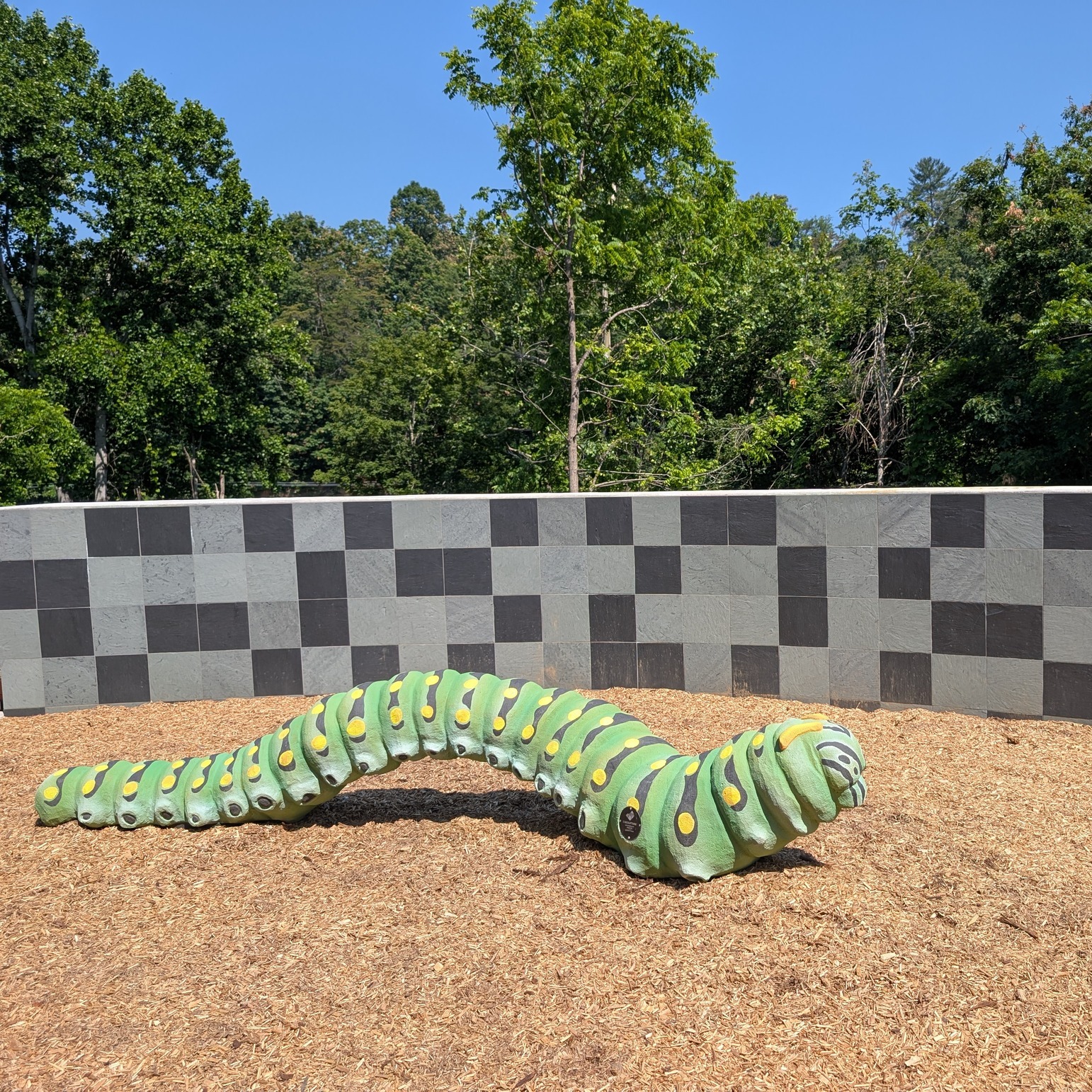
- The significance of the giant caterpillar in ecological education.
- Insights into the species represented by the caterpillar installation.
- The role of interactive exhibits in wildlife conservation efforts.
- The importance of nature centers in fostering community engagement.
- Best photography practices for capturing this new attraction.
The Nature Center recently unveiled an exciting feature: a giant caterpillar exhibit designed for climbing, crawling, and an abundance of photo opportunities. This installation serves not just as an engaging visual, but also as an educational platform aimed at fostering a deeper understanding of caterpillars and their ecological roles.
This giant caterpillar is not just an artistic display; it opens the door to conversations about the critical significance of these insects in various ecosystems. Caterpillars, the larval stage of butterflies and moths, play vital roles in pollination and serve as key food sources for various predators, including birds and mammals. By introducing visitors to the life cycle of these organisms, the installation promotes awareness about biodiversity and the interconnectedness of life forms.
The specific species represented by the giant caterpillar can offer fascinating insights into their ecological importance. Common examples include the Eastern Tiger Swallowtail or the Monarch butterfly caterpillar, each with distinctive characteristics and roles in their habitats. For instance, the Monarch is renowned for its long-distance migration and reliance on milkweed plants for nourishment. Highlighting these particular species in the exhibit allows for informative displays about their unique life cycles, feeding habits, and the challenges they face in urban and rural environments.
Interactive exhibits, such as this giant caterpillar, play a significant role in wildlife conservation efforts. They provide hands-on experiences that resonate more deeply with visitors than conventional static displays. Allowing children and families to climb on or engage with the caterpillar fosters a positive emotional connection with nature. This engagement can lead to a greater appreciation for conservation initiatives and participation in local wildlife protection efforts.
The Nature Center serves as a community hub for environmental education as well. By hosting installations like the giant caterpillar, the center encourages not only curiosity among visitors but also interactive learning opportunities. Workshops and guided tours can follow the exhibit’s unveiling, enriching the community’s knowledge of entomology, botany, and conservation. Such programs create avenues for individuals and families to integrate ecological literacy into their lifestyles.
When visiting the Nature Center to capture memorable photographs with the giant caterpillar, consider employing specific techniques for the best results. Natural lighting is key; photographing during the golden hour—shortly after sunrise or before sunset—can enhance the overall atmosphere of your images. Use a shallow depth of field to emphasize the caterpillar, allowing the backdrop to blur gently, which can make your photos more visually engaging. Don’t hesitate to explore different angles; a low perspective can make the caterpillar appear monumental.
As this playful installation encourages exploration, it also presents an excellent opportunity for discussions around insects’ roles in agriculture and ecosystem health. Caterpillars exemplify nature’s complex food webs, where they transition into forms that contribute to pollination and soil health. Educators can contextualize these discussions, linking the caterpillar’s journey to larger ecological truths about climate change, habitat loss, and the importance of sustainable practices.
In addition to individual learning, intergenerational interaction is fostered through activities centered around the new installation. Parents and children can engage in educational games about insect life cycles or create art inspired by their experiences at the Nature Center. Such activities promote family bonding while simultaneously teaching valuable lessons about entomology and ecology.
The giant caterpillar installation has the potential to become a focal point for various community events, such as nature walks, educational workshops, and festivals. Each event can amplify the messages of conservation and environmental stewardship. Collaborations with local schools to create science projects related to polination, metamorphosis, or the habitat needs of different caterpillar species could effectively align with the exhibit’s themes.
By promoting events that align with the goals of the Nature Center, we cultivate an awareness that extends beyond casual visitation. Local residents become ambassadors for environmental well-being in their communities as a result of these enhanced learning experiences. Connections formed through such engagement can lead to broader support for conservation initiatives, both locally and globally.
Another crucial aspect is the need for proper funding and resources for ongoing maintenance and enhancements of the installation. Engaging local businesses and conservation organizations can provide critical support. Potential sponsors could see value in associating their brands with a community-focused initiative, fostering a culture of corporate responsibility and partnership in environmental education.
In summary, the introduction of this giant caterpillar at the Nature Center offers a multifaceted approach to education and conservation. It opens dialogues not only around the specific species being represented but also about the larger ecological concerns surrounding insect populations worldwide. The collaborative spirit embodied in this exhibit can amplify community involvement, thereby strengthening the mission of the Nature Center to serve as an educational and conservation hub.
The Nature Center’s unique giant caterpillar installation promises to captivate visitors while nurturing a community that’s informed about and committed to protecting the natural world. As guests gather for photos alongside this impressive structure, discussions about ecological sustainability, insect contributions to biodiversity, and conservation efforts will undoubtedly enhance their appreciation of the living world.
Parents bringing their children can instill vital lessons about not just insects and their environments, but also broader themes of interconnectedness and responsibility toward nature. With each visit, the Nature Center takes strides in shaping a community that values and protects its natural resources, making it a vital player in the overarching narrative of biodiversity and conservation.
*****
Source Description
🐛Breaking News: The Nature Center has a NEW INCH-STALLATION!✨ A giant caterpillar has crept its way into the Nature Center, and it’s ready for climbing, crawling, and lots of photos! We think this story definitely has legs – lots of them! Wiggle your way over for the perfect photo op 📷
Tag your coverage:
