
- Overview of Amur Tiger Cub Development
- Insights into Early Behaviors and Characteristics
- Wildlife Conservation Efforts Specific to Amur Tigers
- Importance of Fostering Public Interest in Tiger Preservation
- Future Prospects for Amur Tiger Cubs in Captivity
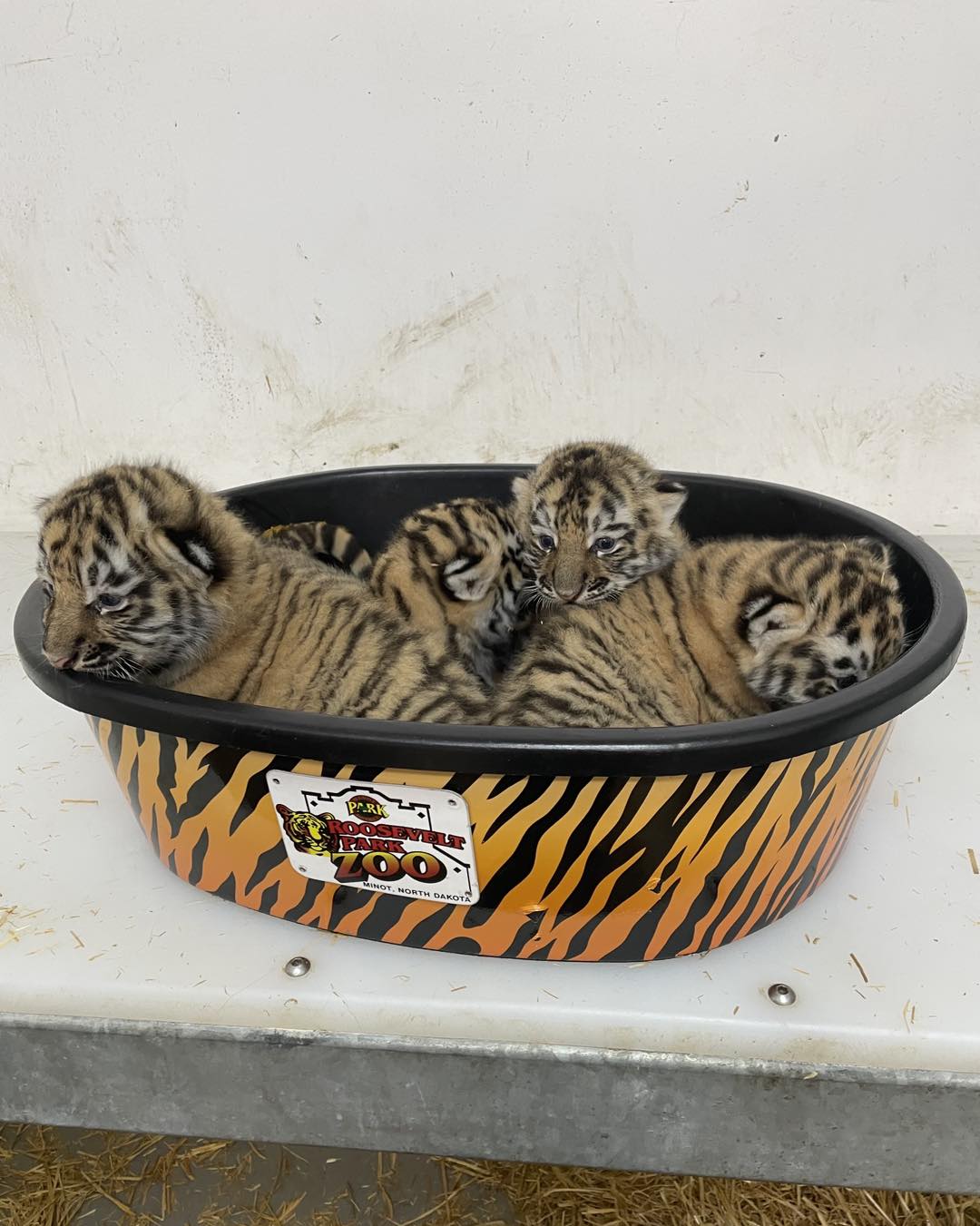
Amur tiger cubs are among the most captivating wildlife species, and their recent growth serves as a vital insight into their early stages of development. At 3.5 weeks old, these four cubs are gaining weight quickly, averaging between 8 and 9.5 pounds. This rapid growth is essential for their survival and acclimatization. Right now, they are still a bit unsteady on their paws, yet their increasing mobility points to their developing strength and coordination. This early stage sets the groundwork for their exploration of larger spaces such as dedicated dayrooms.
As the cubs begin to explore, one can observe a natural curiosity. This innate instinct is crucial not only for their physical growth but also for their cognitive development. Cubs thrive when they engage in active play, which strengthens their muscles and sharpens their sensory awareness. The cubs’ penchant for movement is a vital sign of their health, emphasizing that they are growing as nature intended. While it may not have been possible to capture images of their adorable toe beans due to their growing restlessness, snapshots of their paws provide a glimpse into their playful natures.
The Amur tiger, or Panthera tigris altaica, is a subspecies native to the forests of the Russian Far East and northeastern China. The features of this breed contribute to its ability to survive in harsh climates. Their dense, lined fur is both insulating and protective, helping them navigate through snow-covered terrains. Understanding the characteristics and adaptations of these tigers enriches one’s appreciation for their existence and highlights their vulnerability in the wild.
The behavior of these cubs can provide clues about their future social dynamics. Amur tigers are solitary animals, but cubs will spend their formative months learning essential skills from their mother. This period is critical for their survival as they learn how to hunt, establish territory, and interact with potential mates. Training through play becomes an essential avenue for developing these survival skills.
This leads to pertinent questions about wildlife conservation. Amur tigers, in particular, are classified as endangered, with fewer than 500 individuals remaining in the wild due to habitat loss and poaching. The tiger cub update serves as a reminder of the essential conservation efforts in place to help protect these magnificent creatures. Organizations focused on wildlife preservation are crucial, offering educational programs and initiatives aimed at preserving critical habitats and mitigating human-tiger conflict.
Public awareness is equally important for conservation success. The more people learn about Amur tigers and their plight, the more likely they are to support protective measures. The fascination surrounding tiger cubs draws attention, making it an ideal entry point for discussions about broader conservation issues. Engaging the public through educational exhibits can inspire action, whether through donations, volunteering, or advocating for policy change. An informed public is a powerful advocate for the tiger’s future.
Future prospects for the four cubs are optimistic, contingent upon consistent, high-quality care and the right environment. As they mature, their needs will evolve, requiring not just physical nourishment but also social interaction and mental stimulation. As they learn to navigate their surroundings, cubs will foster a sense of independence, eventually preparing them for potential release back into the wild or to serve as ambassadors for their species in zoos.
Another key aspect is recognizing the role of zoos in breeding programs aimed at preserving endangered species. These efforts involve carefully monitored genetics to maintain diversity within the gene pool. Successful breeding can lead to healthy cubs and offers hope for the population’s stability in the wild.
Tiger cubs serve as a bridge between human interest and wildlife conservation. These small creatures not only capture heartstrings but also embody a major cause that resonates globally. The more we learn about their growth, behavior, and the challenges they face, the more equipped we become to contribute to the sustainability of their habitats.
As the cubs grow, their physical and behavioral advancements will reveal just how remarkable these animals can be. The encouraging signs of their increased mobility and curiosity forecast a bright future. These early interactions and experiences will not only fortify their individual capabilities but empower them to thrive in the wild.
The ongoing journey of these Amur tiger cubs offers much wisdom regarding conservation and wildlife management. The promotion of awareness plays a key role in the future of not only this species but also many others that face similar threats. Engaging with the public offers a unique opportunity to inspire action. Through interactive exhibits and educational programs fueled by the cuteness of these cubs, institutions can effectively communicate the importance of wildlife conservation.
The tiger cub update underscores how critical it is to maintain focus on both the emotional and scientific sides of animal welfare. Balancing public fascination with the need for education is essential for effective stewardship. As these cubs continue to flourish, it’s vital that we remain attuned to their needs, recognizing the impact and importance of our collective efforts.
In sum, the Amur tiger represents a key species in the study of wildlife management and conservation. The unique challenges they face demand intricate and committed responses from zoos, conservation organizations, and the public alike. As we observe and celebrate the growth of these tiger cubs, we are reminded of the responsibility to protect not just them but their entire ecosystem. The journey of understanding and conservation is just beginning, as we await new milestones and continued growth from these remarkable creatures.
*****
Source Description
🐾 Tiger Cub Update! 🐯
Our four Amur tiger cubs are now 3.5 weeks old and growing fast—each weighing between 8 and 9.5 lbs! While they’re still a bit wobbly on their feet, they’re becoming more curious and mobile by the day.
We’re hopeful they’ll start exploring the dayroom in just a couple of weeks! 🤞
Toe bean pics were a no-go this time (we know so many of you cat lovers wanted to see, but those little paws are on the move!), but we did our best to snag some sweet paw shots for you. 🐾💛
Stay tuned—more stripes, more squeaks, and more cuteness to come!
