
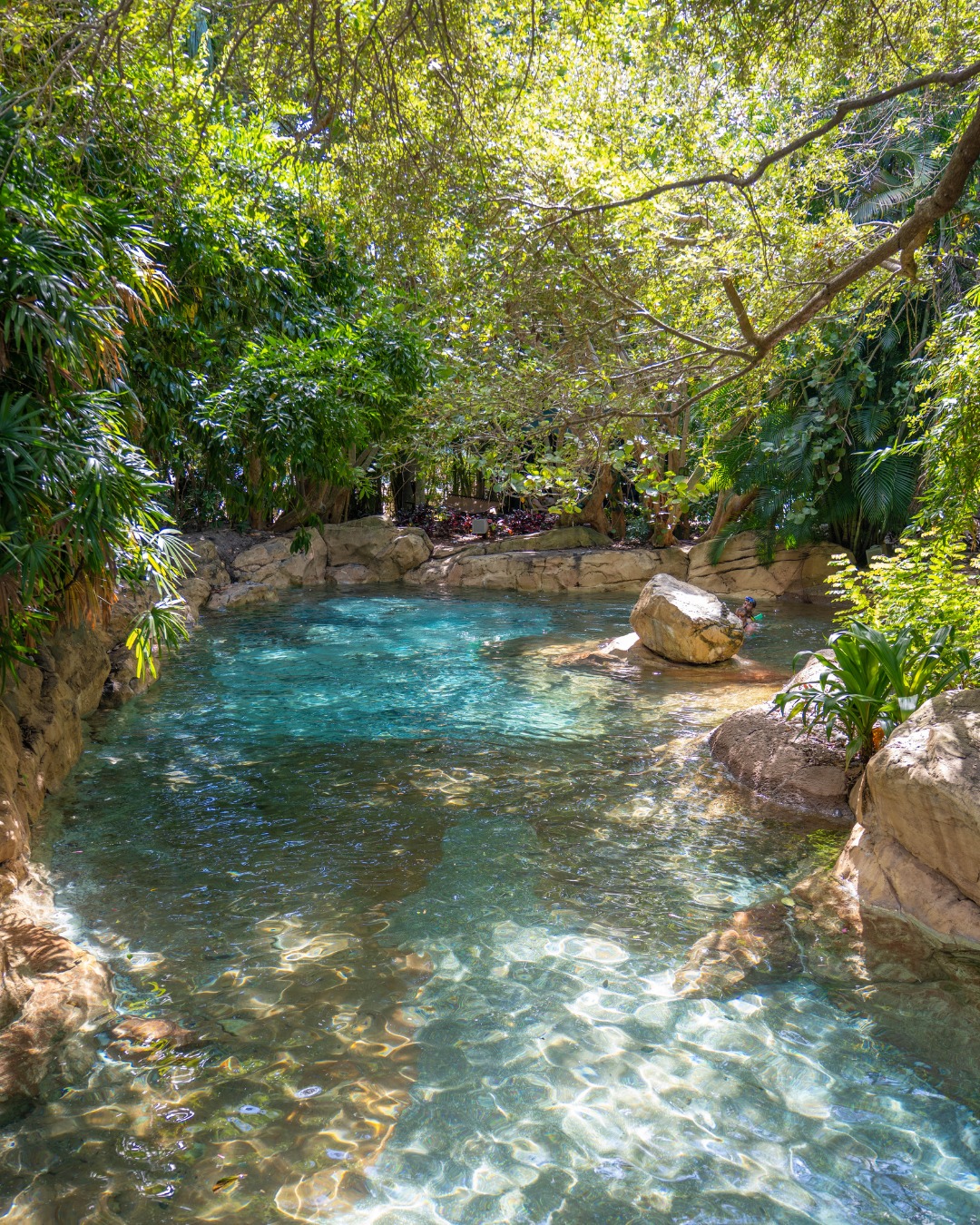
- Wind-Away River: A Refreshing Experience
- The Biological Importance of Water-Based Environments
- Wildlife Conservation and Waterways
- The Role of Human Activities on Aquatic Life
- Promoting Sustainable Practices
Wind-Away River invites guests to embrace a serene experience, allowing the gentle current to carry you on endless laps of relaxation. This floating oasis provides a tranquil setting to engage with nature, while offering insights into the ecological significance of waterways. Understanding this environment enhances our appreciation for aquatic habitats and underscores the necessity of preserving them.
Water environments like Wind-Away River hold extraordinary biological value. They serve as vital ecosystems for various flora and fauna. Freshwater systems, including rivers, lakes, and wetlands, host a diverse range of species. Aquatic plants such as cattails and water lilies provide shelter and food for fish and insects. Algae, often overlooked, form the foundation of aquatic food webs, supporting larger organisms. Fish species, from minnows to larger predators, thrive in these habitats. The water quality and temperature, which are crucial for their survival, are influenced by factors like runoff, pollution, and climate change.
The river’s ecosystem is not isolated. While you float along the Waterway, consider how these habitats are interconnected. Streams feed into rivers, which in turn flow into lakes, and eventually empty into oceans. These links promote genetic diversity among species, enabling them to adapt to changing conditions. Each section of the waterway supports a different community of organisms, all working together to maintain ecological balance.
Active conservation programs aim to support these ecosystems. Many conservationists focus on preserving the delicate interplay of species found in freshwater environments. This is where ecological studies become relevant. Researcher projects often evaluate the health of various aquatic species, investigating their behaviors, diets, and reproductive patterns. Findings guide effective management practices, determining how to combat threats such as habitat loss and pollution.
Human activities pose significant challenges to aquatic habitats. Urbanization, industrial growth, and agricultural expansion lead to habitat degradation and pollution. Runoff from pesticides and fertilizers impacts water quality and can cause harmful algal blooms. These blooms reduce available oxygen, impacting fish and other aquatic organisms. Therefore, understanding how human behavior affects water systems is critical for developing strategies to mitigate these impacts.
Wind-Away River serves as a prime example of how such spaces can foster a connection with nature while promoting environmental consciousness. Educational signage and interpretive programs offer insights into local ecosystems. These initiatives encourage responsible behaviors, inspiring visitors to engage in sustainable practices. Sustainable practices include reducing plastic use, minimizing water waste, and participating in local conservation efforts. Each small action contributes to the overall health of aquatic systems.
Another essential component of conservation is raising awareness about the significance of riparian zones. These areas, found along water bodies, play a vital role in maintaining water quality, providing habitats, and preventing erosion. Planting native species along banks stabilizes soil and supports diverse wildlife. Boating, swimming, and floating along Wind-Away River provide firsthand experience of these habitats, fostering appreciation and understanding of their importance.
Education is pivotal in cultivating stewards of the environment. People equipped with knowledge about ecological systems are better prepared to advocate for them. Schools and local organizations can implement programs on wildlife conservation, focusing on all aspects of an aquatic environment. By fostering an understanding of the role that ecosystems like Wind-Away River play, individuals can be motivated to protect and restore these vital natural resources.
Moreover, collaboration between various stakeholders enhances conservation efforts. Government agencies, NGOs, and local communities often work together to develop management plans. These plans can address issues like pollution control and habitat restoration. Encouraging public involvement through volunteer programs for clean-up or restoration projects can yield significant benefits. Engaging the community not only increases awareness but also builds a collective sense of responsibility.
The dynamics of an aquatic ecosystem extend beyond land-based impacts. Climate change introduces unpredictable challenges, such as altered precipitation patterns and rising temperatures. These factors lead to changes in water levels and flow rates, affecting wildlife. Species dependent on specific conditions may struggle to survive. Consequently, a ripple effect ensues, impacting every level of the food chain. Monitoring these changes is fundamental for predicting future trends and developing adaptive management strategies.
Ecotourism also plays a pivotal role in fostering environmental consciousness. By visiting attractions like Wind-Away River, individuals directly contribute to local economies while being educated about environmental issues. Many parks offer guided tours that focus on animal behavior, plant identification, and the significance of healthy waterways. This interaction fosters a deeper connection with nature, encouraging individuals to advocate for conservation’s principles.
Strategically, supporting local conservation organizations amplifies these benefits. These organizations frequently participate in research studies, habitat restoration, and public outreach. By supporting their initiatives, visitors can be instrumental in safeguarding aquatic habitats. Donations, participating in events, or volunteering creates lasting, positive impacts.
Children and families experience immense value by spending time in these natural settings. Engaging with nature ignites curiosity, inspiring future generations to respect their environment. Programs designed to instill a love for wildlife often lead to lifelong commitments to conservation. When children learn about ecosystems while immersed in their surroundings, they grasp concepts more robustly.
Wind-Away River offers more than just leisure; it serves as a model of the potential for conservation and environmental education. Waterways can serve as outdoor classrooms, bringing to life the complexities of ecosystems. Each two-hour float provides an opportunity for learning, observation, and introspection.
In the context of conservation, understanding local biodiversity is critical. Every species plays a role in its ecosystem, and their interactions often determine the health of the environment. Invertebrates, small fish, and amphibians create a stable ecosystem that supports larger animals like birds and mammals. Examining these interdependencies emphasizes that every organism matters.
Legislation aimed at protecting waterways is also essential. Laws regulating pollutants, preserving buffer zones, and mitigating habitat destruction have been enacted to safeguard aquatic ecosystems. However, ongoing advocacy is vital. Citizen engagement fosters accountability and influences policy decisions at every level of government.
Progress also relies on scientific advancements. Research on environmental DNA (eDNA) allows scientists to identify species in the water without physical capture. This non-invasive approach aids monitoring programs, allowing for timely interventions if species face decline. Maintaining genetic biodiversity within aquatic systems is paramount to ensuring their resilience against threats.
Wind-Away River provides a window into the intricate workings of aquatic systems. It captures the essence of relaxation while reminding us of our role as stewards of the environment. Every lap down the river offers more than leisure; it enriches our understanding of life’s interconnectedness.
As we engage with nature, let it inspire us to act for its preservation. Making informed choices ensures that vital ecosystems continue to thrive. The conservation of Wind-Away River symbolizes a commitment to long-term environmental health.
Through active participation, support, and continued education, individuals become champions for their ecosystems. Each decision contributes to a more sustainable future, demonstrating that relaxation can indeed coexist alongside responsibility.
So, who’s ready to step in? Wind-Away River awaits, carrying you through a journey rich in ecological wisdom and conservation opportunities.
*****
Source Description
Wind-Away River invites you to let the gentle current carry you on endless laps of relaxation 🌊
Who’s ready to step in? 💙
