
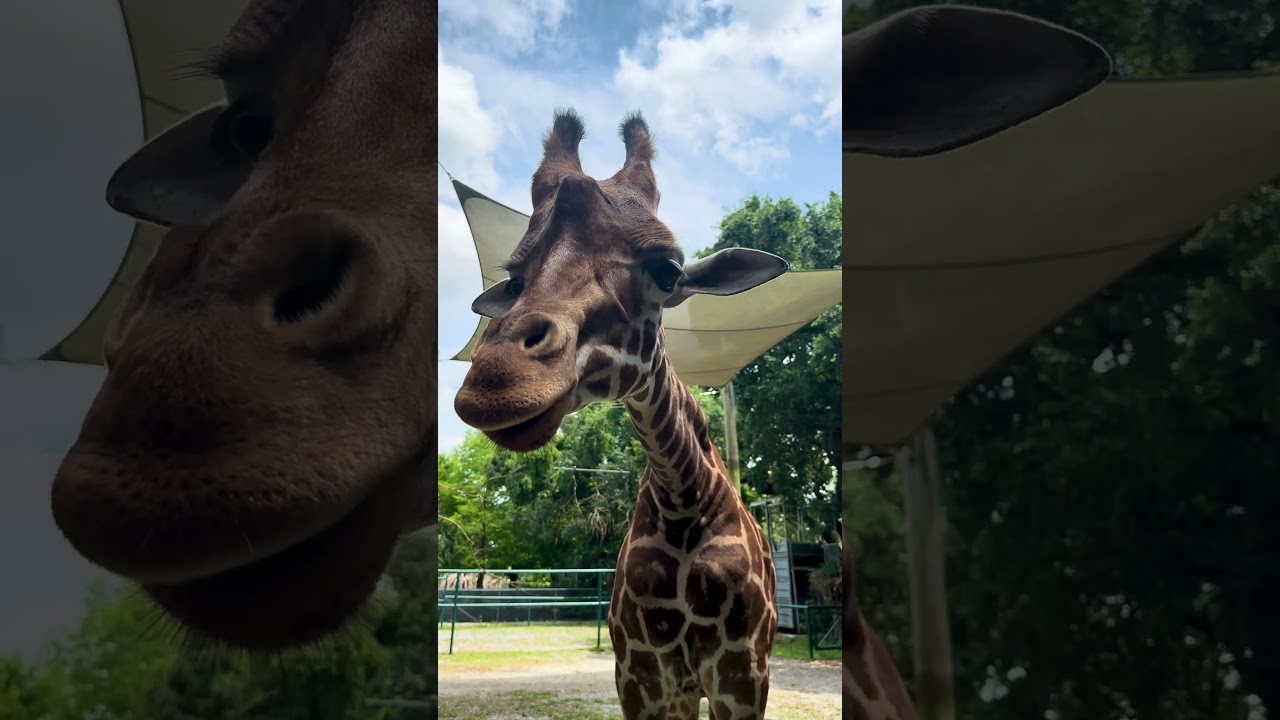
- The importance of giraffe feeding experiences in modern zoos
- Educational benefits for visitors, particularly children
- Insights into giraffe biology and behavior
- Conservation efforts related to giraffe populations
- The role of zoos, like Audubon Zoo, in wildlife management and education
The importance of giraffe feeding experiences in modern zoos extends beyond the simple act of interaction. Engaging with animals in such a way fosters connections between humans and wildlife, offering visitors a memorable and enriching experience. This interaction allows guests to appreciate the size, grace, and unique characteristics of giraffes. When visitors participate in close encounters, they often develop a deeper understanding and appreciation for these magnificent animals. Audubon Zoo’s giraffe feeding experience is designed to bring guests closer to giraffes, encouraging empathy and respect for wildlife.
These encounters often highlight the role of zoos as essential conservation education centers. Through hands-on experiences, guests may feel motivated to support broader conservation initiatives. They may learn about the challenges facing giraffe populations in the wild, fostering a sense of responsibility to help protect endangered species.
Educational benefits for visitors, particularly children, are significant. Engaging with giraffes first-hand allows children to develop a personal connection to wildlife. Educational programs in zoos actively promote knowledge about animal behavior, biology, and conservation. The giraffe feeding experience at Audubon Zoo effectively serves this purpose. It inspires young minds and encourages curiosity about the natural world.
Research shows that children who engage in interactive learning often retain information better and exhibit increased interest in science and nature. The giraffe feeding sessions allow guides to share fascinating facts about giraffe nutrition, social structures, and adaptations. These insights enhance the overall experience, enabling visitors to leave with memorable knowledge that extends beyond the timeframe spent at the zoo.
Insights into giraffe biology and behavior are crucial for understanding their unique adaptations. Giraffes are the tallest mammals on Earth, a result of evolutionary adaptations that enable them to browse leaves from tall trees, giving them a competitive advantage in their natural habitats. Their long, agile tongues can reach lengths of up to 20 inches, allowing them to grasp leaves and twigs effectively. This specific feeding adaptation is crucial for their survival in the savannas of Africa.
Giraffes also exhibit fascinating social behaviors. They live in loose herds, often consisting of females and their young, while males may roam more independently. Their social interactions include non-verbal communication through body language and even vocalizations that may go unheard by the human ear. Understanding these behaviors enriches the visitor experience during the giraffe feeding sessions.
The giraffe feeding experience at Audubon Zoo offers a glimpse into these remarkable traits. Zoo staff can explain not just the “how,” but also the “why” behind giraffe behavior. Such insights teach guests to appreciate that these animals are more than mere attractions; they possess complex lives governed by instinct and social structure.
Conservation efforts related to giraffe populations are critical as currently several giraffe subspecies are facing serious threats due to habitat loss and poaching. According to the International Union for Conservation of Nature (IUCN), giraffe populations have decreased by approximately 40% over the last three decades. This alarming trend has spotlighted the need for immediate action to halt the decline of these magnificent creatures.
Zoos play a vital role in conservation, especially concerning education, breeding programs, and habitat preservation. At Audubon Zoo, the giraffe feeding experience serves as an outreach tool to impart knowledge about these critical conservation messages. The zoo’s involvement in global collaborations promotes research opportunities and aids in external conservation initiatives, highlighting the necessity of preserving natural habitats.
Visitors participating in the giraffe feeding program often leave with heightened awareness and inspiration to contribute to conservation efforts. This is vital; every small action contributes to broader goals, and individuals can help by supporting wildlife organizations, spreading awareness, or even adopting sustainable practices in their own lives. Every little bit counts in the fight to protect endangered species like the giraffe.
The role of zoos, like Audubon Zoo, in wildlife management and education cannot be overstated. They serve as sanctuaries, protecting animals that can no longer live safely in the wild due to human impacts. Through these facilities, rare and endangered species receive specialized care, ensuring their survival.
Moreover, modern zoos have adapted to focus heavily on conservation strategies and ethical practices. The giraffe feeding experience is a prime example of how engaging guests can mobilize a community toward supporting wildlife conservation initiatives. This hands-on approach encourages visitors to participate actively rather than remain passive observers, reflecting a significant shift in mainstream zoo practices.
Part of this evolution involves ensuring that visitors understand their role in the ecosystem, promoting positive environmental stewardship. Educational signage and animal care talks accompany the giraffe feeding experiences to reinforce themes of conservation, habitat preservation, and the importance of biodiversity. Visitors are encouraged to think critically about animal conservation and the interconnectedness of ecosystems.
Attending feeding sessions allows participants to engage with animal care professionals who share their expertise and passion for wildlife. Such interactions not only lay the foundation for informed discussions about conservation but also inspire attendees to advocate for positive changes in their communities. The educational aspect of the giraffe feeding experience at Audubon Zoo fosters an environment conducive to learning and growth.
As more people become aware of the challenges faced by wildlife, zoos continue to adapt their missions to align with modern conservation principles. The giraffe feeding experience exemplifies how these organizations incorporate guest engagement into their conservation efforts. By allowing visitors to connect with the animals directly, zoos can create advocates for wildlife conservation.
In the face of obstacles to conservation, zoo education programs emphasize action. Initiatives focusing on sustainable development and fair trade practices empower individuals in their choices. The rise of social media and technology makes it easier to share this vital information, allowing more individuals to engage with and support wildlife conservation efforts.
The takeaways from a giraffe feeding experience at Audubon Zoo extend to larger themes of global conservation. By participating in such experiences, individuals become part of a movement dedicated to protecting wildlife across the globe. This awareness is not limited to the giraffes; it includes understanding the broader ecological systems they inhabit.
Engagement with wildlife, even in controlled settings like zoos, serves as a vital link in educating the public about environmental challenges. The giraffe feeding sessions are more than mere fun outings; they represent an opportunity to spark conversations that can lead to broader societal shifts toward responsible stewardship of our planet.
As Audubon Zoo continues to refine its programming, the emphasis remains on creating enriching experiences that benefit both animals and people. Each feeding experience offers insights into the vital roles these animals play in their ecosystems and emphasizes our collective responsibility toward wildlife conservation.
Participating in the giraffe feeding experience is an investment in knowledge that empowers individuals to take positive action. From understanding complex social behaviors to recognizing the environmental challenges that jeopardize giraffe populations, visitors leave with a sense of purpose. This dynamic interaction bridges the gap between entertainment and education, transforming zoo visits into opportunities for impactful advocacy.
Ultimately, every interaction—with giraffes and numerous other species—plays a significant role in shaping public perception and attitude towards wildlife conservation. The giraffe feeding experience at Audubon Zoo is a call to action, inspiring individuals to contribute to a future where these incredible animals can thrive in the wild.
*****
Source Description
🦒🥬 #giraffe #audubonzoo #cuteanimals #giraffes
