
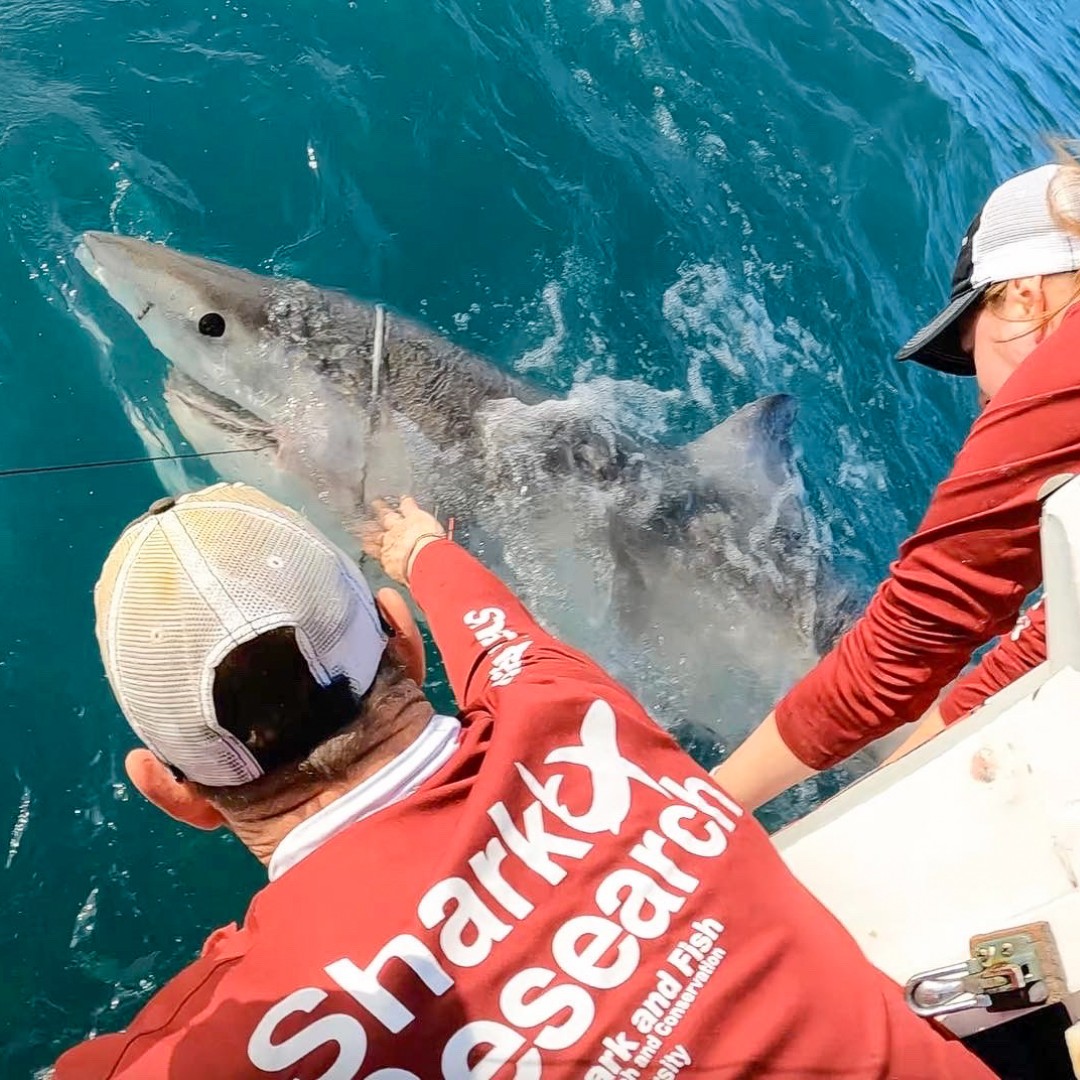
- Experience hands-on shark research alongside leading experts.
- Participate in practical conservation efforts to protect shark populations.
- Explore the diverse marine ecosystem of Bahía de los Ángeles.
- Understand the significance of shark tagging and monitoring.
- Discover the role of public engagement in wildlife conservation.
Step into the shoes – or fins – of a shark scientist on Expedition Shark, an immersive journey that promises to broaden your understanding of marine biology. Scheduled to take place in Bahía de los Ángeles, Mexico, from September 25 to 30, 2025, this expedition offers a unique opportunity to work directly with leading experts from OdySea Aquarium, The Sulikowski Shark and Fish Lab, and the Vermilion Sea Institute. Together, participants will engage in real-life shark adventures, gaining insights that can rival any nature documentary.
Participants will have the chance to embark on two daily sea excursions, rotating through various roles that satisfy their passions for sharks and whale sharks. The activities are not merely observational; they are deeply intertwined with scientific research and conservation efforts. This hands-on approach allows individuals to contribute to ongoing projects that aim to enhance our understanding of shark behavior, health, and habitats.
Shark research and conservation efforts are more critical than ever, given the ongoing threats to these magnificent creatures. Overfishing, habitat loss, and climate change significantly disrupt marine ecosystems where sharks play essential roles. By participating in Expedition Shark, individuals not only gain knowledge but also support vital conservation measures aimed at protecting shark populations.
One of the hallmark activities of this expedition is shark tagging. This method involves attaching a small electronic device to a shark that tracks its movements, habitat use, and behavioral patterns. Tagging helps researchers gather data that is essential for understanding the life cycles of sharks. Each tagged shark contributes to a larger dataset that informs conservation strategies. Participants will actively participate in these tagging efforts, allowing them to witness the impact of their work firsthand.
Bahía de los Ángeles itself is a biodiversity hotspot. The region is home to various marine species, including rays, sea turtles, and a multitude of fish. This rich ecosystem significantly depends on the health of shark populations. Sharks, as apex predators, maintain the balance of marine ecosystems. They help control the populations of other species, thereby ensuring a diverse and thriving underwater community. Understanding this intricate balance is crucial for the lasting health of the marine environment.
Another essential aspect of Expedition Shark is the engagement with local communities. The participation of local stakeholders, such as fishermen, is vital. They often have the most immediate knowledge of shark populations and habitats. Empowering these communities through education and collaboration can lead to more effective conservation efforts. Participants will have the chance to discuss sustainable fishing practices with local fishermen, promoting coexistence between human activities and wildlife.
The discussions during the expedition will also cover the impacts of climate change on marine ecosystems. Rising ocean temperatures and acidification affect the distribution and health of shark populations. Understanding these trends is critical for formulating effective conservation strategies. By equipping participants with knowledge about these challenges, Expedition Shark aims to foster advocacy for marine conservation.
Engagement goes beyond just hands-on activities. Participants will have classroom sessions led by experts who specialize in marine biology and conservation. These sessions will provide theoretical underpinnings to the practical experiences, creating a comprehensive understanding of the issues facing shark populations today. Learning about shark biology, ecology, and conservation strategies will empower participants to advocate for these ocean inhabitants long after the expedition concludes.
The expedition is not only focused on research but also emphasizes the importance of public education in wildlife conservation. By fostering awareness about the importance of sharks and their habitats, participants can become ambassadors for marine conservation in their communities. The individuals who participate in this journey will leave with newfound knowledge and tools to influence those around them positively.
A significant focus during the expedition will also be the relationship between humans and sharks. Misunderstanding and fear often lead to negative perceptions of sharks. Initiatives to dispel myths and educate the public are vital for each species’ survival. Participants will engage in discussions that examine the role of media in shaping public perceptions of sharks. By understanding how narratives around sharks influence policy and conservation efforts, participants can better articulate the need for their protection.
Additionally, the expedition will tackle the role of technology in shark research and conservation. Innovations in tracking and monitoring are transforming how scientists gather data. Participants will learn about the latest technologies used in marine biology, including drone surveillance and satellite tracking. Such cutting-edge tools are essential for effective research but require a blend of science, technology, and public engagement.
Another exciting opportunity during Expedition Shark is the chance to encounter whale sharks. As the largest fish in the ocean, these gentle giants have captivated the hearts of many. Understanding their biology and behavioral patterns furthers our knowledge of marine ecosystems while emphasizing the need for their protection. Participants will take part in observational studies to assess the health and activity of whale sharks, contributing additional data to existing research efforts.
Lastly, the expedition will focus on the long-term implications of individual involvement in conservation. Community science, where the public contributes to scientific research, is increasingly recognized for its value. When individuals participate in projects like Expedition Shark, they not only gain insight but also become part of a global movement for shark protection. These experiences can ripple outward, inspiring others and creating a broader commitment to marine conservation across diverse communities.
Expedition Shark is a once-in-a-lifetime opportunity that combines adventure and scientific exploration. It allows participants to immerse themselves in environments where sharks thrive while fostering a deeper understanding of their ecological significance. From active research endeavors like tagging to engaging discussions with local communities, this expedition offers an unparalleled educational experience.
By participating in this remarkable journey, you’ll not only gain profound insights into the world of sharks but also contribute to vital conservation efforts. The knowledge and skills acquired can empower you to take action, championing marine conservation in your sphere of influence.
*****
Source Description
Step into the shoes – or fins – of a shark scientist on Expedition Shark! 🦈🛥️ Take a once-in-a-lifetime journey to Bahía de los Ángeles, Mexico ☀️ from September 25 – 30, 2025 to work alongside shark experts from OdySea Aquarium, The Sulikowski Shark and Fish Lab, and the Vermilion Sea Institute to fulfill real-life shark adventures that rival episodes of any nature channel!
Lucky participants will rotate between two daily sea excursions to satisfy their inner shark/whale shark passions and curiosities through both tagging and research! For more information and to reserve your spot today, head to the link in our bio! 🔗
