
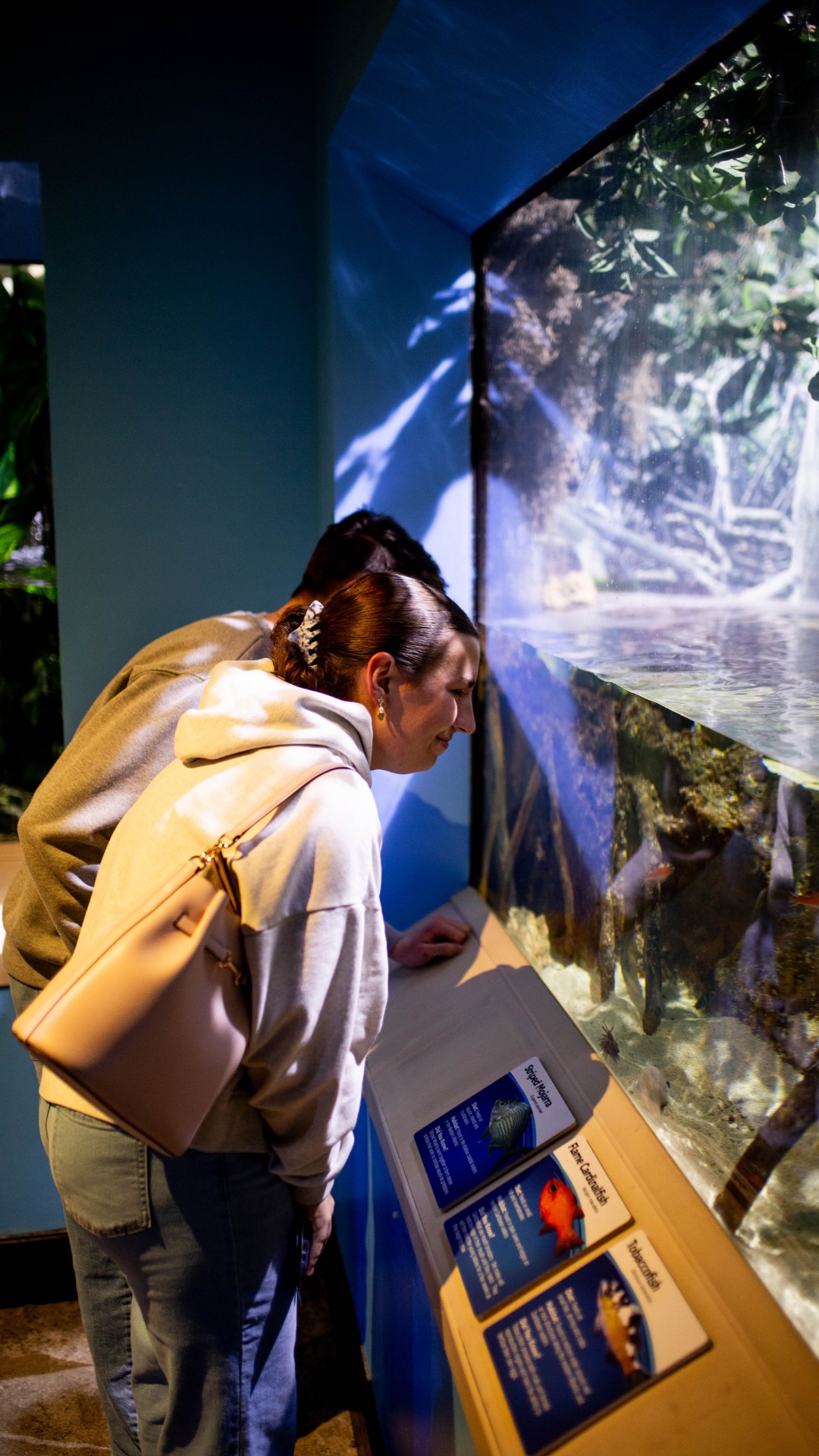
- The ecological significance of underwater ecosystems and their inhabitants
- Common miscommunications in marine science and aquarist practices
- The role of aquarists in wildlife conservation and education
- Best practices for aquarists and enthusiasts in maintaining healthy aquatic environments
- The impact of climate change on aquatic life and ecosystems
Underwater ecosystems play a critical role in maintaining the health of the planet. They provide essential services such as oxygen production, carbon sequestration, and habitat for diverse marine species. Coral reefs, seagrass beds, and mangroves are particularly vital, serving as breeding and feeding grounds. They also support fisheries that many coastal communities rely on for sustenance and income. The health of these systems directly affects biodiversity, and their degradation can lead to significant ecological impacts.
Yet, there are often misunderstandings about marine life that can lead to ineffective conservation efforts. For instance, terminology used in marine science can cause confusion among aquarists and the general public alike. A term like “biofiltration” may be well-known to professionals but can bewilder newcomers. Clarity in such language is crucial for fostering better understanding, as well as ensuring practices that contribute positively to marine habitats. Misinterpretations can lead to improper care of aquatic organisms, ultimately harming both the species involved and their ecosystems.
Aquarists play a pivotal role in raising awareness about underwater conservation. By sharing their knowledge and experiences, they can inspire others to appreciate and protect marine environments. Additionally, well-informed aquarists can implement practices that promote healthy ecosystems in their tanks and beyond. For example, replicating natural habitats not only benefits the fish and plants but also educates owners about the delicate balance that exists in nature. Teaching responsible practices, such as recycling water and using ethical sources for fish and plants, can spread awareness and drive positive change.
Maintaining healthy aquatic environments is more than just keeping fish alive. It involves understanding the intricate relationships between species and the physical environment. Regular water quality checks, monitoring temperature, and controlling light exposure are all part of responsible aquarist practices. Diseased or stressed fish can often be a sign of larger issues within the aquarium. Aquarists need to be observant and proactive, applying solutions based on careful scientific reasoning rather than trial and error.
The effects of climate change on aquatic ecosystems cannot be overstated. Rising ocean temperatures can lead to coral bleaching, altered migration patterns, and changes in reproductive cycles for countless marine species. Acidification is another consequence of increased carbon dioxide levels, impacting the ability of organisms like shellfish to form their exoskeletons. Awareness of these issues is essential for aquarists and marine biologists alike. Appropriate changes in aquarist practices will not only support the species in their tanks but can contribute to broader global efforts to combat environmental decline.
In summary, even with expertise in marine life, complexities can create misunderstandings that hinder conservation goals. This article has explored the significance of underwater ecosystems, the vital role of aquarists, and the impact of climate change on marine habitats. By prioritizing clear communication, responsible practices, and conservation awareness, we can work collaboratively toward healthier oceans. It is clear that life below the surface has immense value, and understanding it is crucial for future generations.
*****
Source Description
We might be experts on all things underwater, but sometimes things still get lost in translation! 🐟✨ Whether you’re an Aquarist by trade or a Pisces by birth, we can all agree that life is better under the sea. 🌊
