
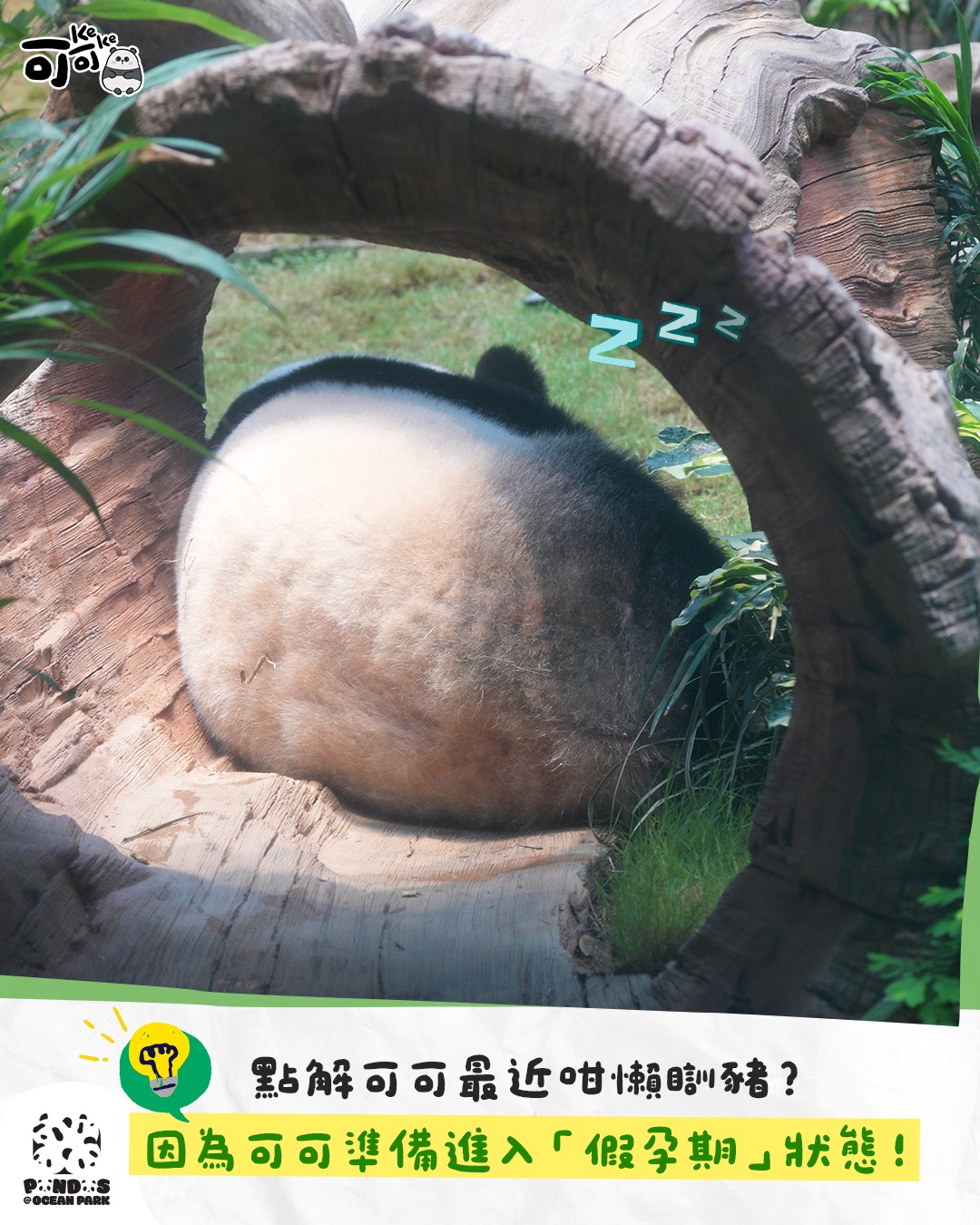
- Understanding Pseudo-Pregnancy in Pandas
- Behavior Changes During Pseudo-Pregnancy
- The Role of Caretakers in Panda Welfare
- Importance of a Calm Environment for Animals
- Educational Insights for Zoo Visitors
Understanding Pseudo-Pregnancy in Pandas
Pseudo-pregnancy, or false pregnancy, is a common phenomenon observed in female giant pandas. This condition occurs when a female exhibits signs of pregnancy despite not being pregnant. In pandas, this typically follows mating, even if fertilization does not take place. The duration of pseudo-pregnancy can range from a few weeks to several months. Research indicates that hormone fluctuations in a female panda’s body trigger this response, leading to behavioral changes that closely mimic those of an actual pregnancy.
The hormonal changes are primarily driven by increased levels of progesterone, which can lead to physical symptoms such as weight gain and changes in appetite. The mechanics behind this biological response are linked to reproductive strategies. In nature, this phenomenon may enhance the survival of the species by giving the female a chance to nest and prepare for potential offspring, even in the absence of actual fertilization.
It is crucial to recognize that while pseudo-pregnancy causes significant behavioral and physiological alterations in pandas, it is a natural occurrence and does not typically pose health risks if managed appropriately. Careful monitoring by animal caretakers is essential to ensure that the panda remains healthy throughout this period.
Behavior Changes During Pseudo-Pregnancy
During a pseudo-pregnancy, many behavioral changes can be observed in female pandas. Ke Ke, for example, may experience a desire for increased rest, a decrease in social interactions, and changes in feeding habits, including loss of appetite. These changes might seem concerning, but they are part of the natural cycle of her reproductive health.
In many cases, pandas will become less playful and engage less with their surroundings. This self-isolation serves a purpose, allowing their bodies to focus on the changes taking place. Behavioral research shows that these adaptations prepare the female appropriately for nurturing offspring, even when actual pregnancy does not occur.
Understanding these behavioral shifts is essential for caretakers. They can provide a safe and comfortable environment where the animal feels secure. Keeping the habitat quiet and offering enrichment activities that align with the panda’s needs during this time will promote her well-being. This approach not only benefits the panda undergoing pseudo-pregnancy but also fosters a genuine connection between the animal and its caretakers.
The Role of Caretakers in Panda Welfare
Animal caretakers play a pivotal role in managing the welfare of pandas, especially when a female enters a pseudo-pregnancy phase. These professionals observe and document behavioral patterns, ensuring they have detailed records of each animal’s unique experiences. Close monitoring allows the team to adjust care protocols as needed, providing individualized attention that is critical for the animal’s health.
Additionally, caretakers must be knowledgeable about the physical and emotional needs of pandas. Understanding the nuances of pseudo-pregnancy helps them to develop care protocols that address both the behavioral and health aspects of this condition. Regular health checks, veterinary support, and appropriate diet modifications are integral components of the care plan.
Enrichment is also a vital part of the care provided. While pandas may require quiet time, introducing passive enrichment techniques like scent trails can stimulate their natural instincts without overwhelming them. Caretakers should adapt to the panda’s needs, offering gentle interaction when the animal seeks it and creating an environment that is calming.
Importance of a Calm Environment for Animals
Creating a peaceful atmosphere is essential for the well-being of any animal, especially during sensitive times such as pseudo-pregnancy. Pandas respond to their surroundings; thus, a tranquil setting promotes relaxation and reduces stress levels. The ambient noise and crowd activity in a zoo can significantly influence animal behavior.
It is vital for visitors to recognize the impact of their presence on the animal’s health. Keeping voices low and movements minimal allows the panda, such as Ke Ke, to feel secure in her habitat. Animals are sensitive to changes in their environment, both physically and psychologically. A calm environment aids in mitigating feelings of anxiety, contributing positively to an animal’s overall health.
A well-designed exhibit includes elements that promote a sense of security. Natural barriers, hiding spots, and comfortable resting areas all create a suitable context for the panda to experience well-being. Additionally, staff members should be proactive in maintaining a serene environment, particularly when a female is managing the complexities of pseudo-pregnancy.
Educational Insights for Zoo Visitors
Zoos serve as a vital platform for public education, offering visitors the opportunity to learn about the unique aspects of animal biology and conservation efforts. Understanding the concept of pseudo-pregnancy enriches visitors’ knowledge about pandas and their reproductive behaviors. Informative signage and knowledgeable staff can enhance this experience, providing a deeper understanding of what animals like Ke Ke are going through.
Encouraging visitors to engage thoughtfully with the environment boosts their appreciation for wildlife preservation. Explaining the significance of calmness during pseudo-pregnancy informs guests about the needs of animals in captivity. When individuals learn about caring for animals, they become advocates for conservation.
Zoo educational programs can also highlight the ongoing challenges that pandas face in the wild. With habitat loss and climate change posing threats to their survival, visitors can gain insights into the importance of supporting conservation efforts both locally and globally. This understanding can inspire a commitment to environmental stewardship, emphasizing the interconnectedness of all life forms.
Addressing behavioral changes in pandas like Ke Ke during periods of pseudo-pregnancy informs both zoo operations and visitor experiences. By fostering a deeper connection to these animals, zoos can build a community of advocates for conservation, ensuring the ongoing preservation of the species.
In summary, ensuring the well-being of pandas during their pseudo-pregnancy phase involves a multifaceted approach combining careful monitoring, environmental considerations, and educational outreach. By merging scientific understanding with public awareness, the importance of animal welfare and conservation can be effectively communicated to all who visit these incredible creatures.
*****
Source Description
🐼可可準備進入「假孕期」💤
💡所以最近佢會想休息多啲、互動可能會少啲、食慾下降等,相信大家都會理解㗎🫶🏻 ~
👀護理員會細心留意可可嘅狀況,為佢提供適當嘅護理方案同活動環境。
🔔小編溫馨提示!大家嚟探可可或其他動物時🐼 ,都要記得放輕聲量地觀看🤫,等可可舒服咁休息!
🐼Ke Ke is preparing to enter “pseudo-pregnancy” period. 💤
💡This means she’ll be resting more, might be a little less interactive than usual and loss of appetite—but we know you’ll understand! 🫶🏻
👀 Our caretakers are monitoring her condition closely and will continue to provide the gentle care and comfortable environment she needs during this time.
🔔 A friendly reminder: When visiting Ke Ke or any of our animals, please keep your voices down. A calm and quiet atmosphere helps Ke Ke feel safe and relaxed! 🤫
