
- The significance of zoos in promoting wildlife conservation and education.
- Jennifer Mullix’s innovative approaches and her project "Step into our office…"
- The impact of interactive displays and experiences on public engagement with wildlife.
- The role of technology and artistry in modern zoo management.
- How sustainable practices are integrated into zoo operations for conservation purposes.
Zoos have long played a vital role in the conservation of biodiversity and educating the public about the natural world. They bridge the gap between urban environments and the far reaches of the wild, fostering connections and understanding. Jennifer Mullix, a prominent figure in the field, has undertaken groundbreaking initiatives to further these goals, most notably her project, "Step into our office…."
Jennifer Mullix is known for her dedication to transforming traditional zoo experiences. Her project "Step into our office…" exemplifies her innovative approach, combining educational engagement with wildlife conservation. By weaving together technology, design, and science, Mullix creates spaces that captivate diverse audiences, from children encountering exotic animals for the first time to seasoned wildlife enthusiasts seeking deeper insight into biodiversity.
Her project centers around interactive displays and immersive experiences that draw visitors into the lives of animals. Instead of simply observing from a distance, visitors engage with the habitat through augmented reality, soundscapes, and tactile exhibits. These experiences are carefully curated to highlight the behaviors, needs, and challenges faced by wildlife, prompting visitors to reflect on their role in conservation efforts.
By stepping into these engaging spaces, participants gain a more profound appreciation for the intricate web of life and their impact on it. This is not just about spectacle; it’s about fostering a sense of responsibility and stewardship.
The use of technology in modern zoo management is a defining feature of Mullix’s approach. Interactive displays employ cutting-edge tech like virtual reality to simulate natural habitats, while real-time data collection provides insights into animal behavior and health. This integration of science and art opens doors to innovative learning and empathy-building experiences that were not possible in traditional settings.
Mullix’s work emphasizes the importance of sustainable practices within zoos. Her initiatives incorporate eco-friendly materials and energy-efficient systems, underscoring the zoo’s role as a model for sustainability. From solar panels to rainwater harvesting, her projects demonstrate how conservation objectives can be woven into the fabric of everyday zoo operations.
Incorporating these sustainable practices is crucial not only for reducing the carbon footprint of zoo facilities but also for educating the public about environmental responsibility. Visitors are exposed to practical examples of how sustainability can be achieved, inspiring them to adopt similar practices in their own lives.
Zoos under the guidance of forward-thinkers like Mullix have the power to transform perceptions and deepen our commitment to the natural world. By fostering an engaging environment, they cultivate a sustained interest in wildlife conservation and inspire future generations to take active roles in preserving biodiversity.
Jennifer Mullix’s "Step into our office…" serves as a testament to the potential for zoos to become centers of innovation and conservation. Her work not only enhances the visitor experience but amplifies the message that conservation is a shared responsibility. Through interactive displays, technological advances, and sustainable practices, zoos can continue to thrive as educational and conservation havens.
The ever-increasing impact of climate change reinforces the importance of these initiatives. As habitats shift and species face unprecedented threats, the role of zoos in conservation and education becomes even more critical. Mullix’s project is an example of how these institutions can evolve to meet the demands of a changing world, using creativity and science to foster a more hopeful future for wildlife and humanity alike.
*****
Source Description
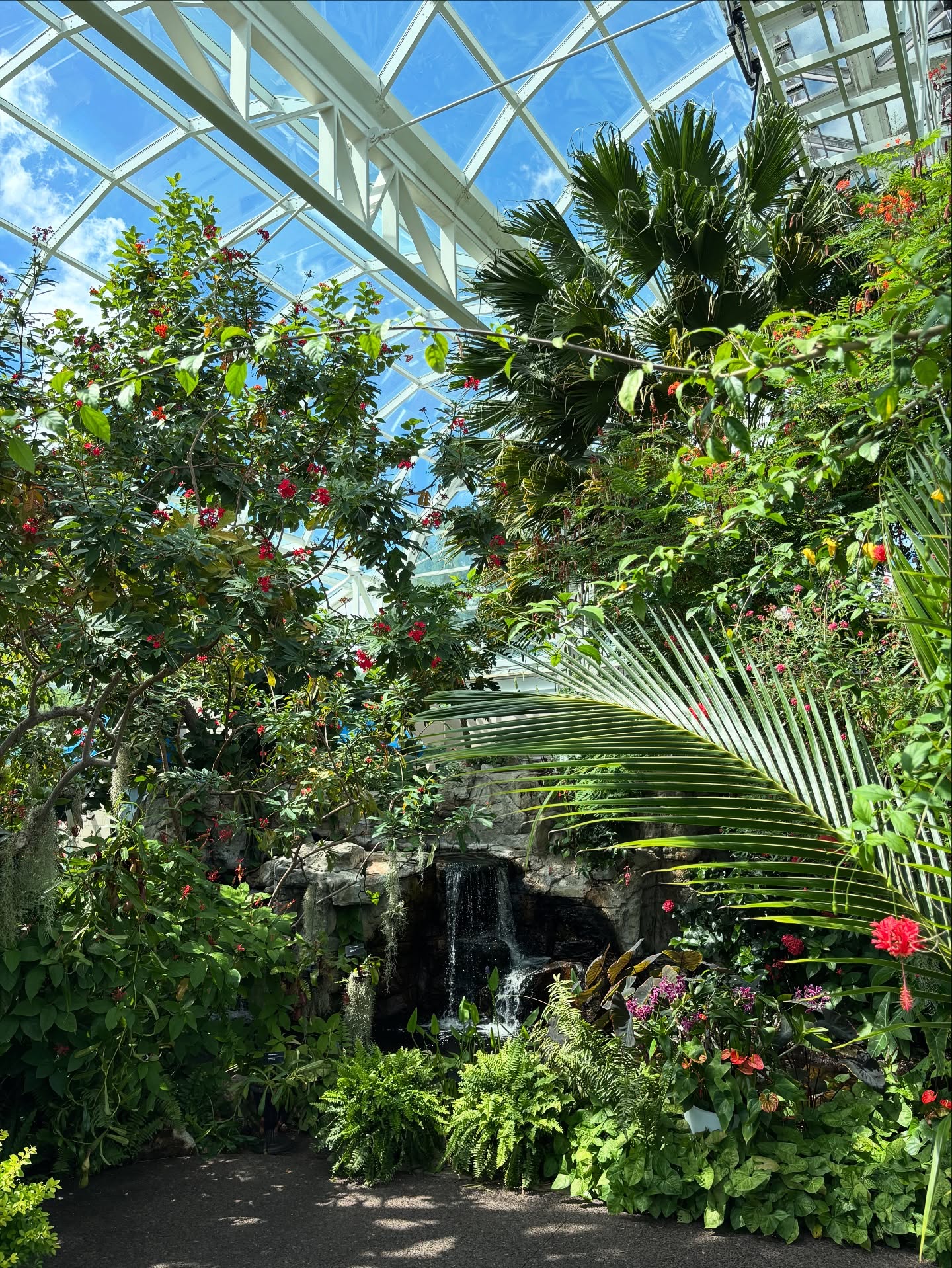
Step into our office…. 🌴 🌺 🦋
📷: Jennifer Mullix
