
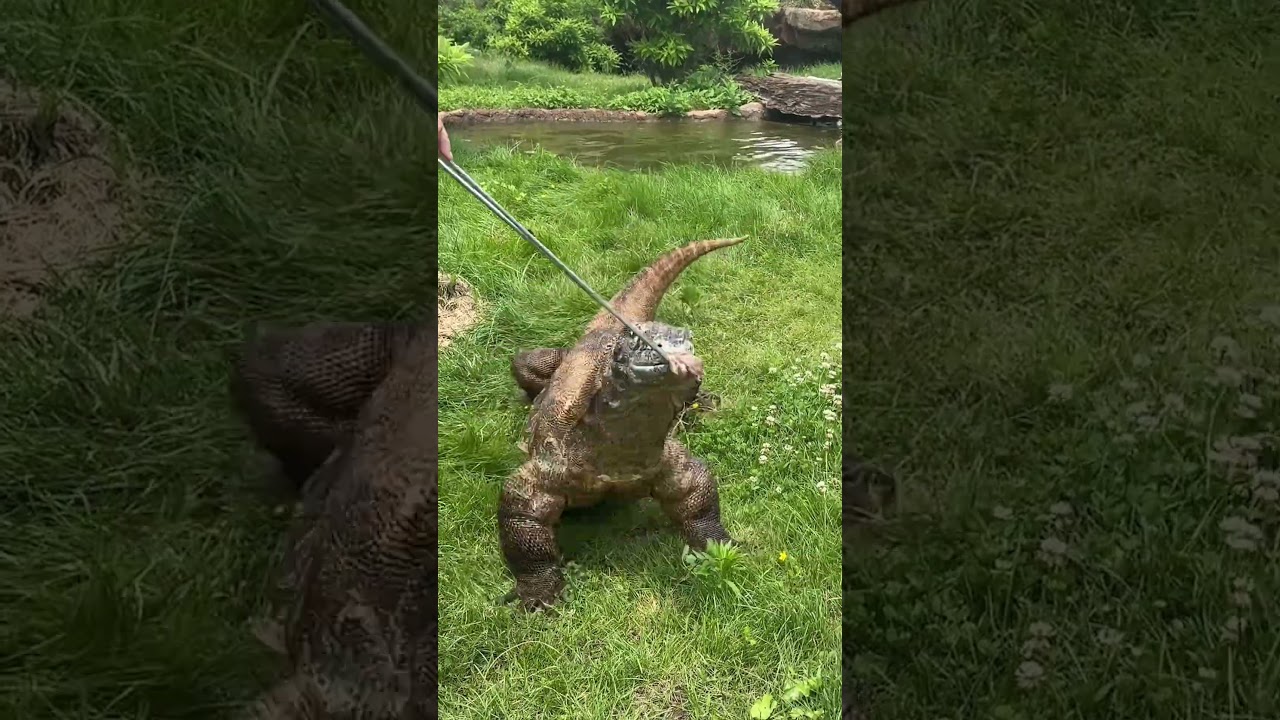
- Understanding Prehistoric Diets: Insights into the Feeding Habits of Extinct Species
- Lil Sebastian’s Role in Modern Prehistoric Exhibits
- Utilizing Zoology and Zoo Management to Inform Conservation Efforts
- The Importance of Wildlife Preservation Through Education and Interactive Experiences
- Video Descriptions as Tools for Enhancing Audience Engagement and Learning
The dawn of our planet was marked by an unparalleled diversity of life forms, from gargantuan dinosaurs to the varied flora that painted prehistoric landscapes. Within this tapestry, the study of diets provides profound insights into how these creatures lived, survived, and ultimately perished. Prehistoric noms with Lil Sebastian offers a captivating glimpse into these ancient feeding habits, seamlessly blending education, conservation, and engagement.
Understanding Prehistoric Diets: Insights into the Feeding Habits of Extinct Species
Dinosaurs and other prehistoric creatures captivate our imagination, but understanding what and how they ate is crucial for comprehending their ecosystems. Fossilized remains, particularly teeth and coprolites (fossilized dung), serve as vital records. Herbivores like the Stegosaurus developed flat teeth suitable for grinding plant material. In contrast, carnivorous dinosaurs such as the Tyrannosaurus rex showcased sharp, serrated teeth designed for tearing flesh.
Isotopic analysis further enhances our understanding. By examining stable isotopes in fossilized bones, scientists infer dietary patterns like the trophic levels occupied by these creatures. For example, high nitrogen levels may indicate a carnivorous diet.
Through these analyses, we learn about ecological niches and food chain dynamics. Every species, from massive sauropods to nimble theropods, played a role in balancing their ecosystems. This helps modern conservationists understand the complexities of maintaining biodiversity today.
Lil Sebastian’s Role in Modern Prehistoric Exhibits
Lil Sebastian, a beloved figure in zoo exhibits, serves as an engaging ambassador for historical education and conservation. Through interactive displays and storytelling, visitors connect with prehistoric life in a tangible way. This connection is essential for fostering a deeper appreciation and understanding of our natural history.
By incorporating Lil Sebastian into exhibits, zoos create an immersive experience. Visitors can witness reenactments of feeding behaviors and learn about the specific adaptations that allowed prehistoric creatures to thrive. This holistic approach to education ensures that attendees leave with a comprehensive understanding of ancient life.
Utilizing zoology and zoo management in these exhibits underscores the importance of resource allocation, enclosure design, and animal welfare. Successful management balances visitor engagement with ethical stewardship.
Utilizing Zoology and Zoo Management to Inform Conservation Efforts
The intersection of zoology and zoo management is key to advancing conservation efforts. By studying prehistoric organisms, zookeepers and scientists gain valuable insights into resilience, adaptation, and evolutionary success. This knowledge translates into effective strategies for preserving current wildlife.
Zoos act as living laboratories where experts test habitat restoration techniques and breeding programs. By mimicking natural environments and dietary needs, institutions increase the likelihood of species survival and reproduction. Lessons learned from prehistoric creatures often guide these methods, informing habitat design and species interactions.
Zoo management strategies focus on optimal animal care. Enrichment programs based on natural behaviors not only enhance welfare but also educate the public on the significance of species-specific needs. The overarching goal is to extend these practices to in-situ conservation, ensuring species thrive in their natural habitats.
The Importance of Wildlife Preservation Through Education and Interactive Experiences
Wildlife preservation starts with awareness. Education plays a pivotal role in nurturing a conservation ethic among all age groups. Interactive experiences, like those offered in Prehistoric noms with Lil Sebastian, are particularly effective. They harness curiosity and transform it into actionable knowledge.
Interactive displays allow visitors to visualize ancient ecosystems, understand predator-prey dynamics, and appreciate the interconnectivity of life. This immersive approach helps demystify scientific concepts, making them accessible and engaging.
Virtual reality and augmented reality further enhance learning. These technologies offer unprecedented access to the depths of history, allowing individuals to explore ancient landscapes and observe extinct species in motion. By engaging multiple senses, these experiences foster a lasting impact and deepen the desire to participate in conservation initiatives.
Video Descriptions as Tools for Enhancing Audience Engagement and Learning
In the digital age, video content is a powerful tool. Video_desc elements within exhibits like Prehistoric noms with Lil Sebastian elevate the educational experience. Through dynamic storytelling and visual cues, audiences connect emotionally with the subject matter.
Videos offer an opportunity to present complex scientific information in an easily digestible manner. They provide context, illustrate processes, and highlight significant discoveries. By visually representing prehistoric life, videos cater to diverse learning styles, ensuring broad appeal and comprehension.
Moreover, video content extends the reach of educational programs beyond geographical boundaries. Online platforms allow global audiences to engage with prehistoric exhibits, cultivating an international community dedicated to wildlife conservation and education.
Prehistoric noms with Lil Sebastian represents a blend of science, education, and conservation. By exploring ancient diets, employing innovative management strategies, and utilizing engaging media, zoos and conservationists prepare to face challenges in preserving earth’s biodiversity. As we learn from the past, we shape a future that honors and protects the intricate web of life that our planet hosts.
*****
Source Description
Join Lil Sebastian the Komodo dragon and Zookeeper Cayton for snacktime enrichment and learn more about the largest living lizards on the planet! 🦎
