
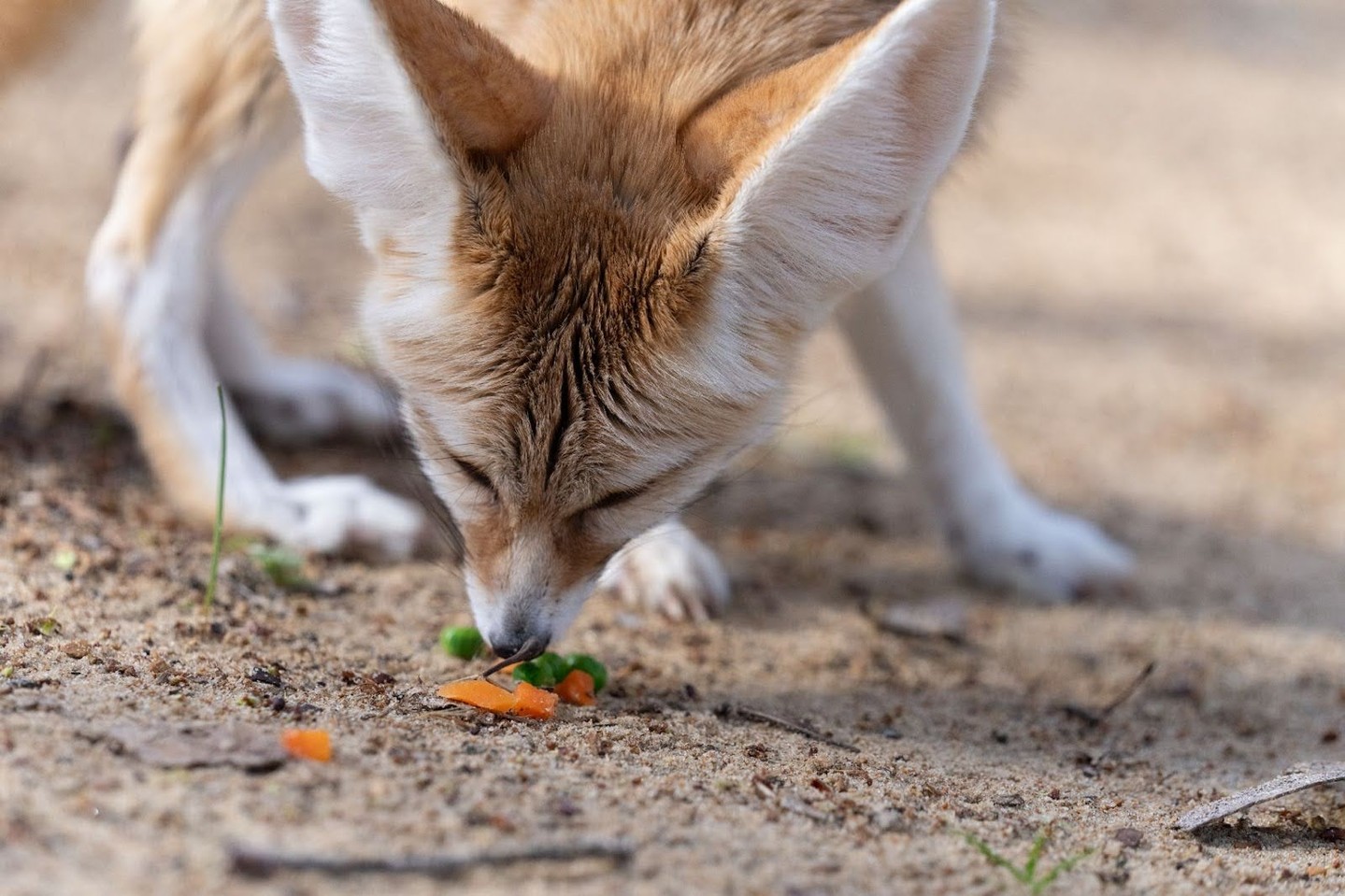
- Fennec foxes are omnivores with a diverse diet.
- Their natural habitat influences their food sources.
- The dietary habits of fennec foxes in the wild versus in captivity.
- The importance of dietary variety for their health and well-being.
- Conservation efforts and their implications on fennec fox diets and habitat.
Fennec foxes may be small, weighing only 2 to 3 pounds when fully grown, but their diet is remarkably varied. An omnivorous species, they thrive in a natural habitat that presents an array of food options. These nocturnal creatures originate from the Sahara Desert and are well adapted to their environment. Their nocturnal behavior helps them avoid the extreme heat and find food more effectively when other animals are less active.
In the wild, fennec foxes consume a wide range of foods, including insects, small rodents, lizards, plants, and fruits. This diverse diet is crucial for their survival in a habitat where food can be scarce due to arid conditions. Insects such as beetles, grasshoppers, and crickets make up a significant portion of their diet. These not only provide high protein content but are plentiful in their environment.
Small desert rodents also form an essential part of their diet. These creatures are often burrowed beneath the sand, and fennec foxes have adapted to digging to access them. Their sensitive hearing allows them to locate these small animals even when they are hidden under the surface. Lizards, while less common, are also consumed when available.
Fennec foxes do not disregard plant matter. They often eat various desert plants and fruits, which provide necessary vitamins and hydration. Fruits are particularly beneficial during the hotter months when other food sources may become limited. This combination of animal and plant matter helps maintain their overall health in harsh environmental conditions.
In captivity, the diet of fennec foxes can be somewhat nutritionally managed, allowing for variety while ensuring basic health requirements are met. Facilities such as the Endangered Wolf Center often feed fennec foxes a mix of fruits and insects. The specific diet in captivity may include items like mealworms, crickets, and a variety of fruits. This not only mimics their natural diet but also caters to their nutritional needs.
Maintaining a diverse diet is vital for fennec foxes, whether in the wild or in controlled environments. In the wild, limited dietary options could lead to nutritional deficiencies. An adequate intake of protein, carbohydrates, and fats ensures they remain physically fit and able to adapt to their surroundings. In addition, varied diets help stimulate their natural foraging behavior, which is significant for mental health.
It’s important to recognize the ecological role fennec foxes play within their habitat. They contribute to controlling insect populations and assist in the balance of the food web. When they hunt for smaller animals, they prevent overpopulation of these species, which could lead to instability in their ecosystem. Therefore, the dietary habits of fennec foxes are not only essential for their individual health but also for maintaining the overall health of their ecosystem.
Conservation efforts play a critical role in protecting the habitats of fennec foxes. As desert environments face threats from climate change and human encroachment, it is essential to preserve the ecosystems that support these unique creatures. Conservation initiatives focused on habitat preservation positively impact the food availability for fennec foxes. With a healthy environment, fennec foxes can thrive, and their diet remains diverse and nutritious.
These conservation efforts raise awareness of the importance of maintaining biological diversity in habitats. Increased biodiversity leads to a more resilient ecosystem, capable of withstanding changes and supporting various species, including the fennec fox. As environmental conditions shift, the ability of fennec foxes to find food is closely tied to the health of their surroundings.
Captive breeding programs also focus on understanding fennec fox diets and behaviors. By studying these foxes in a controlled environment, researchers gain insights that can inform habitat restoration projects and dietary adaptations. Observations made in captivity often illuminate factors influencing their dietary preferences and health, which can be carried back to the wild populations.
In summary, fennec foxes have a rich and varied diet shaped by their unique adaptations to the Sahara Desert. Their omnivorous nature allows them to thrive on both animal and plant matter. Understanding their dietary habits is crucial in promoting conservation efforts and ensuring their survival in the wild. By prioritizing habitat protection and increasing awareness of their ecological significance, we can support the preservation of the fennec fox and its diverse diet.
This information emphasizes the importance of respecting and conserving natural habitats. By protecting the ecosystems these animals rely on, we contribute not only to their survival but also to the health of numerous species that share the same environment. Fennec foxes serve as a vital piece of the ecological puzzle, providing insight into the interconnected nature of wildlife conservation.
*****
Source Description
What do fennec foxes eat?
Fennec foxes may only be 2- 3 lbs full-grown, but their diet is quite diverse!
Native to the Sahara Desert, these nocturnal foxes are omnivores, meaning they eat both plants and animals. Their prey in the wild often includes insects, small desert rodents, and lizards, as well as desert plants and fruit!
Here at the Endangered Wolf Center, Daisy and Jager love to dig into lots of fruits, insects, and more!
