
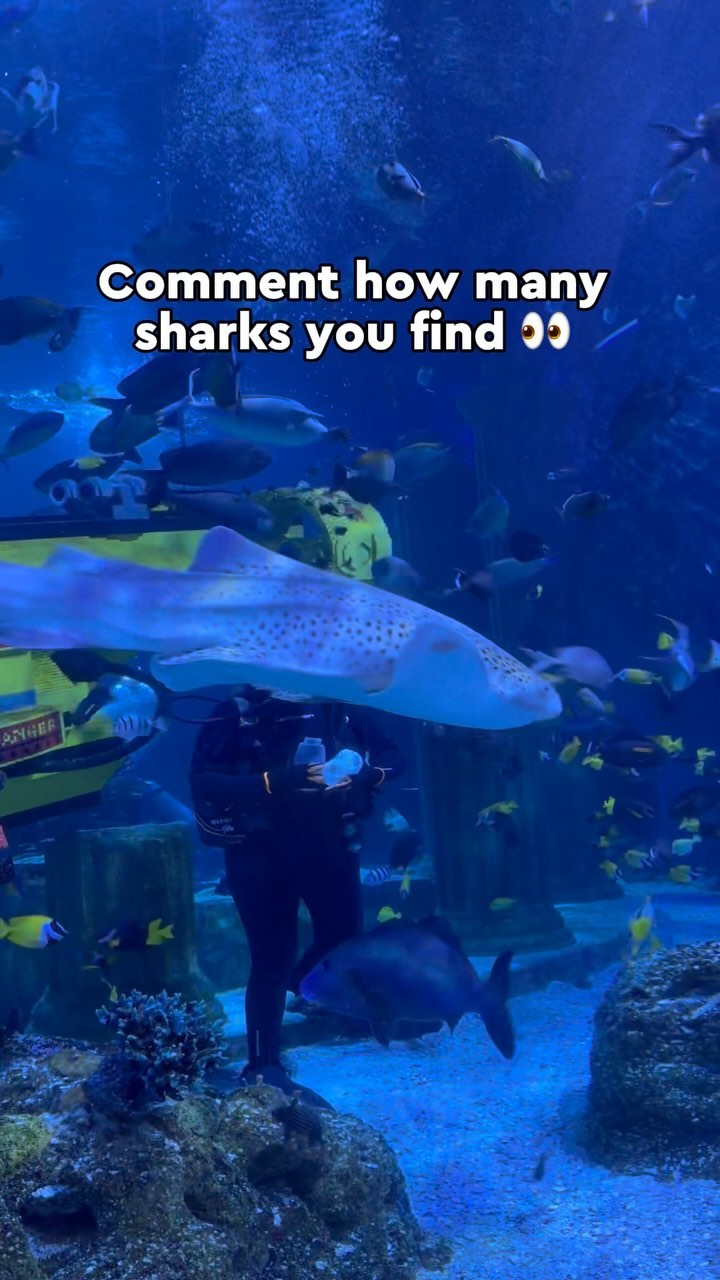
- Introduction to SEA LIFE Shark Week and its significance
- Detailed descriptions of interactive shows and presentations
- Importance of shark conservation and public education
- Exploration of ocean habitats and their ecosystems
- Engagement opportunities for visitors to learn more
SEA LIFE Shark Week is an exciting initiative that provides a platform for ocean education and shark conservation. This annual event offers various presentations and interactive experiences, allowing visitors to gain valuable insights into the fascinating lives of sharks and the health of ocean ecosystems. These activities are designed to engage guests while fostering a better understanding of marine environments.
The centerpiece of this celebration consists of several fascinating shows at the Shipwreck Gallery. The Ocean Habitat Feed Show, held every Monday, Wednesday, and Friday at 1 p.m., allows visitors to witness feeding behaviors of sharks, rays, and fish. This presentation uses innovative techniques to simulate natural feeding practices. Observing how different species interact with their food can yield insights into their ecological roles. Understanding these feeding behaviors is crucial, as it can inform conservation efforts by highlighting the importance of maintaining healthy fish populations.
Following this, the Dive Discovery Show occurs every Tuesday, Thursday, Saturday, and Sunday at 1 p.m. Certified divers showcase the safety protocols and equipment essential for SCUBA diving. This demonstration emphasizes the importance of responsible diving practices, which not only protects divers but also minimizes the human impact on fragile marine ecosystems. Attendees gain an appreciation for the delicate balance of ocean life while learning how scuba diving can be conducted responsibly and safely.
A key component of education during SEA LIFE Shark Week is the Science of the Seas Demonstration (SOTS), presented daily at 5 p.m. in the Shark Mission Room. This educational session addresses various scientific aspects concerning sharks, including buoyancy and anatomy. By explaining these biological principles, guests can better appreciate how sharks navigate their environments and the adaptations that enable them to thrive in diverse ocean habitats. This knowledge serves as a foundation for understanding the challenges sharks face in a changing ocean.
The Shark Mission Room itself acts as a tactile learning space, featuring interactive screens and various biofacts that provide visitors with detailed information about shark species. This immersive educational environment allows guests to explore at their own pace, catering to different learning styles. The hands-on experience is crucial for engaging younger audiences, as interactive exhibits can spark interest in marine biology and conservation.
Another exciting educational opportunity occurs every day at 6 p.m. in the Shipwreck Gallery with the Ocean Discovery program. This showcase reinforces knowledge gained from previous presentations while highlighting the broader ocean ecosystems. Participants learn how sharks interact with other marine species and their vital role in maintaining the health of aquatic environments. By drawing attention to these interconnected relationships, guests can better understand the importance of preserving ocean habitats and the species that inhabit them.
The presence of sharks in the ocean is often misperceived. Many people view sharks solely as fearsome predators, overlooking their vital roles within marine ecosystems. Sharks contribute significantly to ocean health by regulating prey populations and promoting biodiversity. Their absence can lead to overpopulation of certain species, which can disrupt ecological balance. This is where shark conservation becomes a critical focus. By helping to educate the public about the importance of sharks, SEA LIFE Shark Week fosters appreciation for these creatures and emphasizes the need for conservation initiatives.
The statistics regarding shark populations are alarming. According to the International Union for Conservation of Nature (IUCN), nearly one-third of all shark species are threatened with extinction. Factors contributing to this decline include overfishing, habitat loss, and pollution. Events like SEA LIFE Shark Week aim to inform visitors about these threats while encouraging responsible fishing practices and habitat protection. Collaborative efforts between conservation organizations, scientists, and individual citizens are essential to improve the outlook for sharks and their habitats.
Education plays an integral role in conservation. By participating in interactive shows and hands-on exhibits, visitors gain vital knowledge about marine ecosystems and their inhabitants. Understanding the challenges sharks face in their natural habitats enables individuals to make informed decisions that benefit both marine life and their future. Greater public awareness is crucial as it can drive support for policies and initiatives designed to protect these incredible creatures.
The ocean itself is a complex and diverse environment. It houses an array of habitats, from coral reefs to deep-sea trenches, each with unique species and ecosystems. Understanding these habitats is essential for recognizing the various roles sharks play. For instance, reef sharks can help maintain the health of coral reefs by controlling the populations of prey species. On the other hand, pelagic sharks roam open waters and are key indicators of ocean health due to their position at the top of the food chain. Each shark species has evolved specific adaptations that allow it to thrive in its habitat.
Public participation in marine education can have significant impacts on conservation efforts. SEA LIFE Shark Week encourages guests to get involved by raising awareness and advocating for policy changes that promote the health of ocean ecosystems. Engaging with local conservation groups, volunteering for clean-up efforts, or even spreading the word about shark conservation at social gatherings can contribute to a healthier planet.
Beyond education, visitors are also encouraged to reflect on their relationships with the ocean. The health of our oceans directly influences human life, and their degradation can have profound consequences. Learning more about ocean habitats during SEA LIFE Shark Week encourages visitors to recognize their connection to marine life and consider how their actions can impact the environment. Small changes, such as reducing plastic use, supporting sustainable seafood, and advocating for conservation, can have far-reaching implications.
As SEA LIFE Shark Week unfolds, the opportunity for enrichment is immense. Through demonstrations, interactive exhibits, and educational talks, visitors cultivate a deeper connection with the ocean. They not only learn about sharks and their habitat but also develop a sense of stewardship. Understanding the cascading effects of individual actions can inspire greater care for the environment.
In summary, SEA LIFE Shark Week brings attention to the vital importance of sharks within marine ecosystems, emphasizing their roles as apex predators and their influence on biodiversity. The curated experiences educate and inspire, promoting awareness of the issues facing sharks today. By completing each presentation, visitors emerge with a clearer understanding of their connection to ocean health and the essential conservation measures necessary to protect these incredible creatures.
Engagement extends beyond the aquarium walls. The insights gained during SEA LIFE Shark Week encourage participants to become advocates for ocean preservation. By empowering individuals with knowledge, the event fosters a sense of responsibility toward marine life. Protecting ocean ecosystems is essential not only for the endurance of sharks but for the planet’s overall health.
Visitors leave SEA LIFE Shark Week with more than just memories. They take with them an increased awareness and a commitment to making a positive change. The intricate web of life that comprises ocean habitats relies on the actions of engaged and informed citizens. This commitment to marine conservation is crucial for the continued survival of sharks and the health of our oceans.
*****
Source Description
Want to see more sharks? Read below! 🦈
🌊 Dive into SEA LIFE Shark Week at Discover the wonders of our ocean habitats and meet our incredible shark species with SEA LIFE shows and presentations below:
🎬 Ocean Habitat Feed Show
🗓 Every M/W/F at 1 p.m
📍 Shipwreck Gallery Stadium Seating
Watch sharks, rays, and fish get fed using unique techniques!
🤿 Dive Discovery Show
🗓 Every T/Th/Sa/Su at 1 p.m
📍 Shipwreck Gallery Stadium Seating
Our Certified Divers will dive in to show you the safety and equipment used for SCUBA diving.
🔬 Science of the Seas Demonstration (SOTS)
🗓 Every day at 5 p.m
📍 Shark Mission Room
Learn about shark buoyancy and more!
🦈 Shark Mission Room
Explore interactive screens and biofacts in the final room of our aquarium, all about sharks!
🌍 Ocean Discovery
🗓 Every day at 6 p.m
📍 Shipwreck Gallery Stadium Seating
🔗 in bio for more SEA LIFE information
